Urban Agriculture: 2025 In Review
By Kymisha Montgomery, CGC Urban Agriculture Coordinator
Digging deep into the needs of the communities we serve, our Urban Agriculture Program strives to shape what fair food access means in an urban setting. By addressing environmental, social and economic challenges, the CGC is dedicated to providing resilient, equitable and sustainable gardening communities. We strive to decrease the limitations of healthy food to everyone, encouraging individuals and communities from diverse backgrounds to build together and interact with each other.
Community Gardens Program
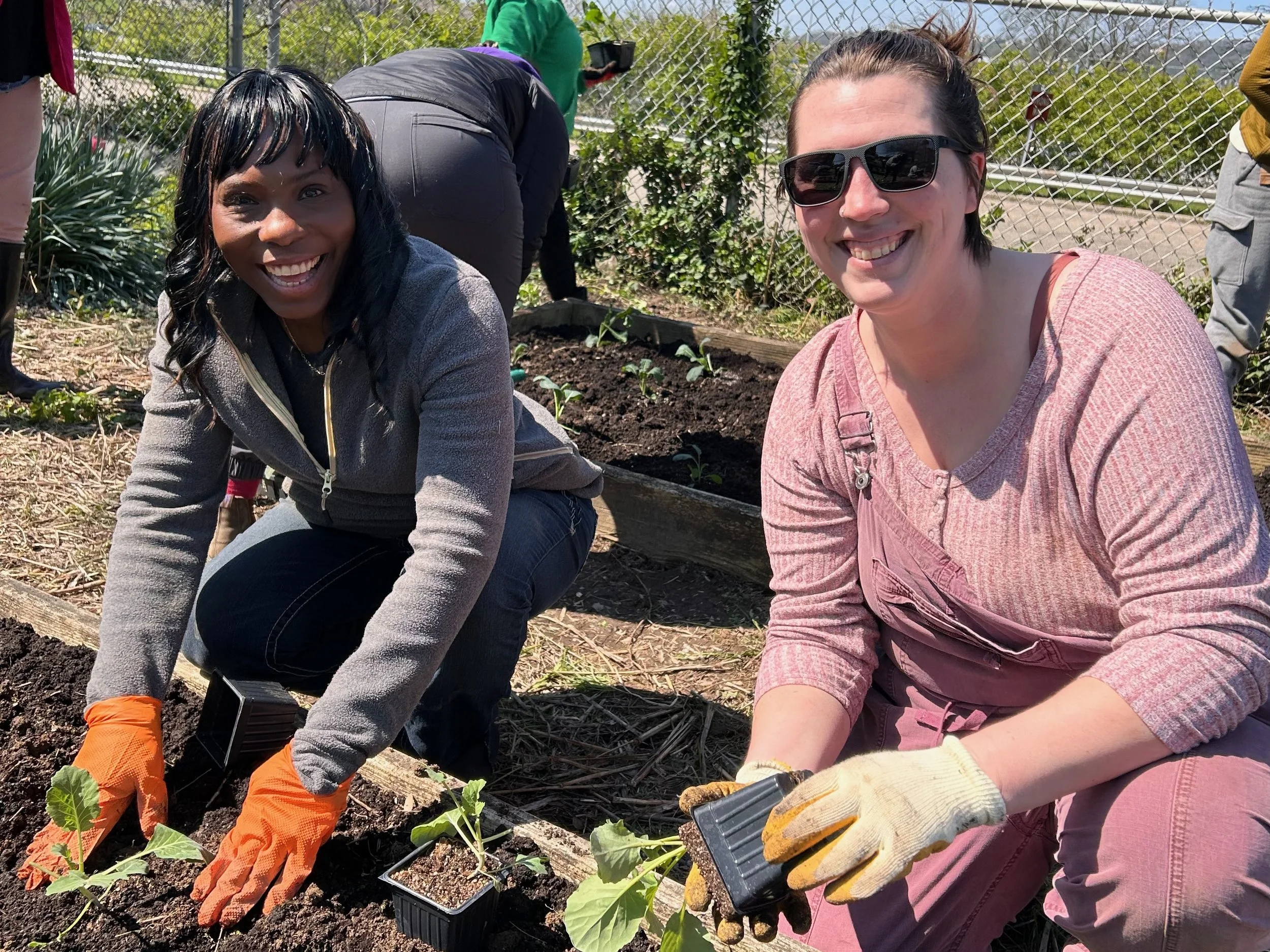
The CGC nurtured a robust network of 65 community gardens in 2025 by providing resources that help growing spaces thrive sustainably. Our goal is to create successful pathways to strengthen both communities and access to healthy local food.
We added five new gardens to our network: ICGC Community Garden, South Fairmount Community Heirloom Garden, St. Leo the Great, Forest Avenue Garden and Children's Community Garden. We also worked closely with the City of Cincinnati’s Office of Environment & Sustainability to install six bioreactor composting systems to help enhance soil health and divert food materials from local landfills.
HUB Garden Classes
Gardens provide a common ground where people can share traditional and diverse agricultural practices while forging the social ties that bridge cultural divides. By transforming community gardens into dynamic outdoor classrooms, our free, public-facing HUB Garden classes gave participants the opportunity to learn through hands-on activities, by observing interactive applications of gardening techniques and through healthy eating demonstrations. In 2025, we offered 16 outdoor classes and welcomed a diverse community of participants from around the Greater Cincinnati area. Keep an eye on our eNews…when the 2026 schedule is ready, we’ll share it there first!
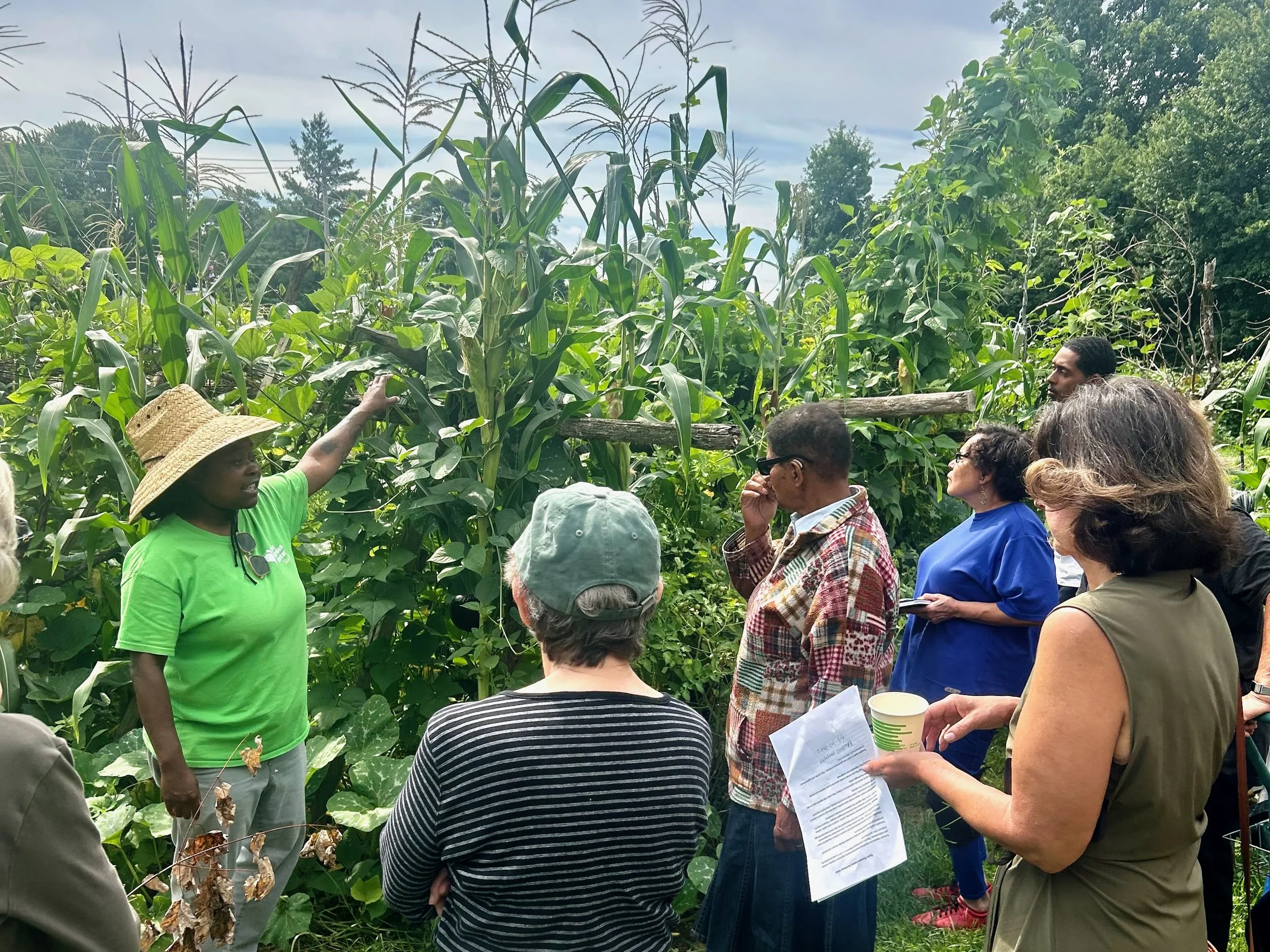
“My husband and I attended the Garden to Plate class, and I wanted to thank you for taking the time to show us around, answering all our questions with patience and enthusiasm! Never in my wildest dreams could I have imagined a squash spaghetti on my plate. It was delicious!
I look forward to attending more classes and growing my own kitchen garden (it would be my dream come true). I am so inspired by what you are doing that I have signed up as a volunteer for urban agriculture. I look forward to learning and contributing to it. Thanks again for making our day so special!”
Civic Gardener Development Training (CGDT)
For over 20 years, the CGC has offered a gardening development training series. As it has evolved, we’ve shifted the focus away from just community gardens to include a variety of urban agriculture spaces.
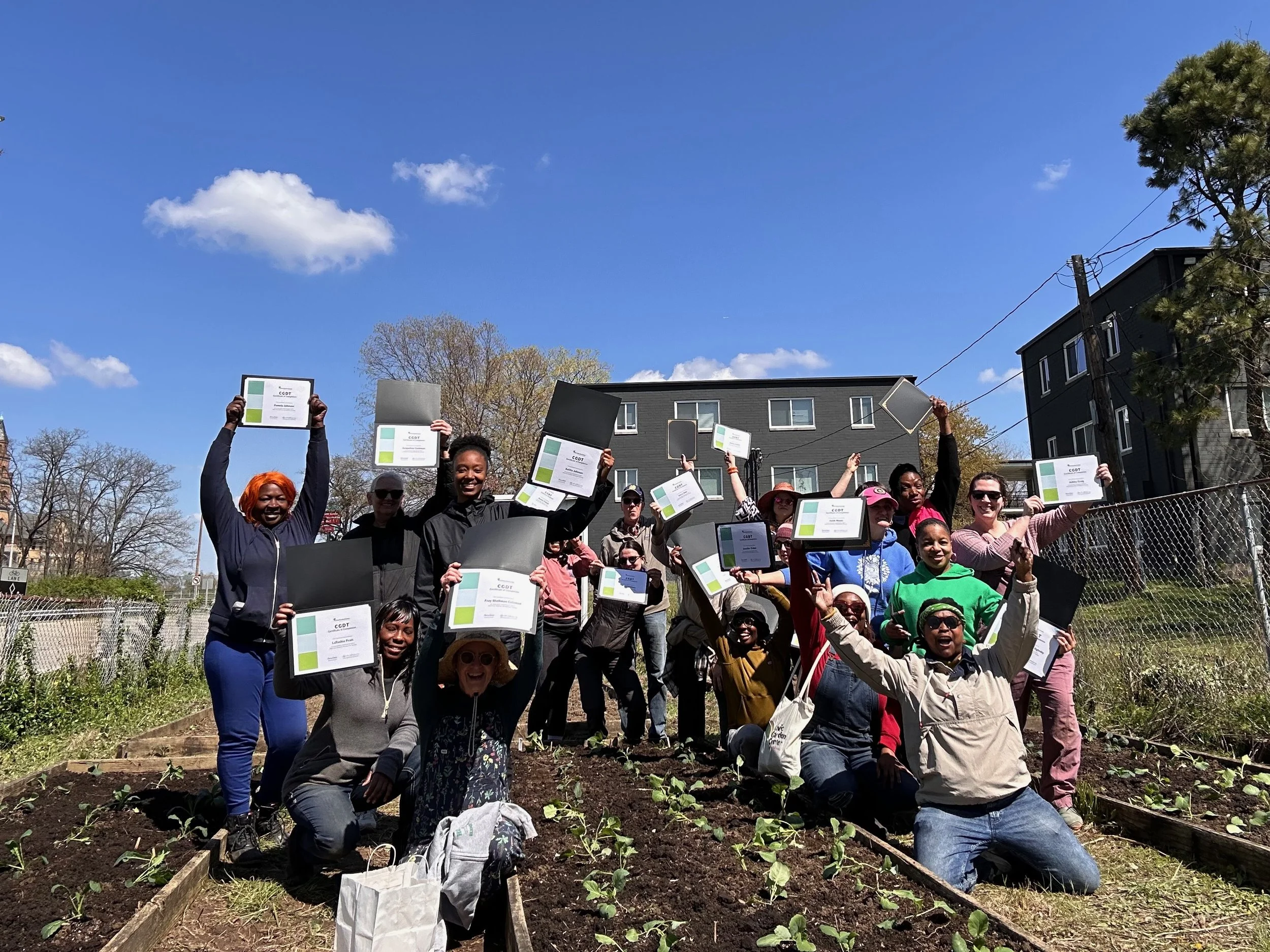
In 2025, 28 people received their certificates, an increase of 20 percent over three years. Their practicum took place in the West End, where they spent more than four hours revitalizing the Arts Community Garden. Participants performed tasks like repairing garden beds, weeding, adding organic compost generated by the CGC’s earth cubes, sowing seeds and planting transplants. The Arts Community Garden continues to be a catalyst for community development and a gathering space for this area of Cincinnati.
We have also added a diverse curriculum and education opportunities that encompass new and sustainable ways of growing food. In 2025, we incorporated a Regenerative Agriculture class that focuses on enhancing soil and plant health, increasing biodiversity and implementing principles of a healthy ecosystem.
“I just want to let you know that I enjoyed and benefitted from the 2025 Civic Gardener Development Training. The topics were well chosen and presented by experts knowledgeable in their respective fields. Top-notch printed course materials accompanied each class presentation. And the classes were a great mix of lecture/discussions and hands-on learning. Additionally, the classroom was friendly and inviting, especially since there were always beverages and snacks on hand for those who needed a quick pick-me-up before the evening class. Finally, the friendly and supportive atmosphere fostered a warm camaraderie among classmates from many diverse backgrounds. The course well prepared me and my classmates to contribute to the community gardening movement. Thank you for your excellent leadership.”
Bountiful Backyard Garden Program
Continuing to address barriers and build community by increasing access to healthy local food, our new Bountiful Backyard Garden Program fostered connections with residents in 2025 by empowering them through gardening. Working with local partners focused on food access and health, we installed 10 backyard gardens in the greater Cincinnati area and provided resources and education on regenerative and sustainable practices. The result was over 600 pounds of freshly harvested produce!
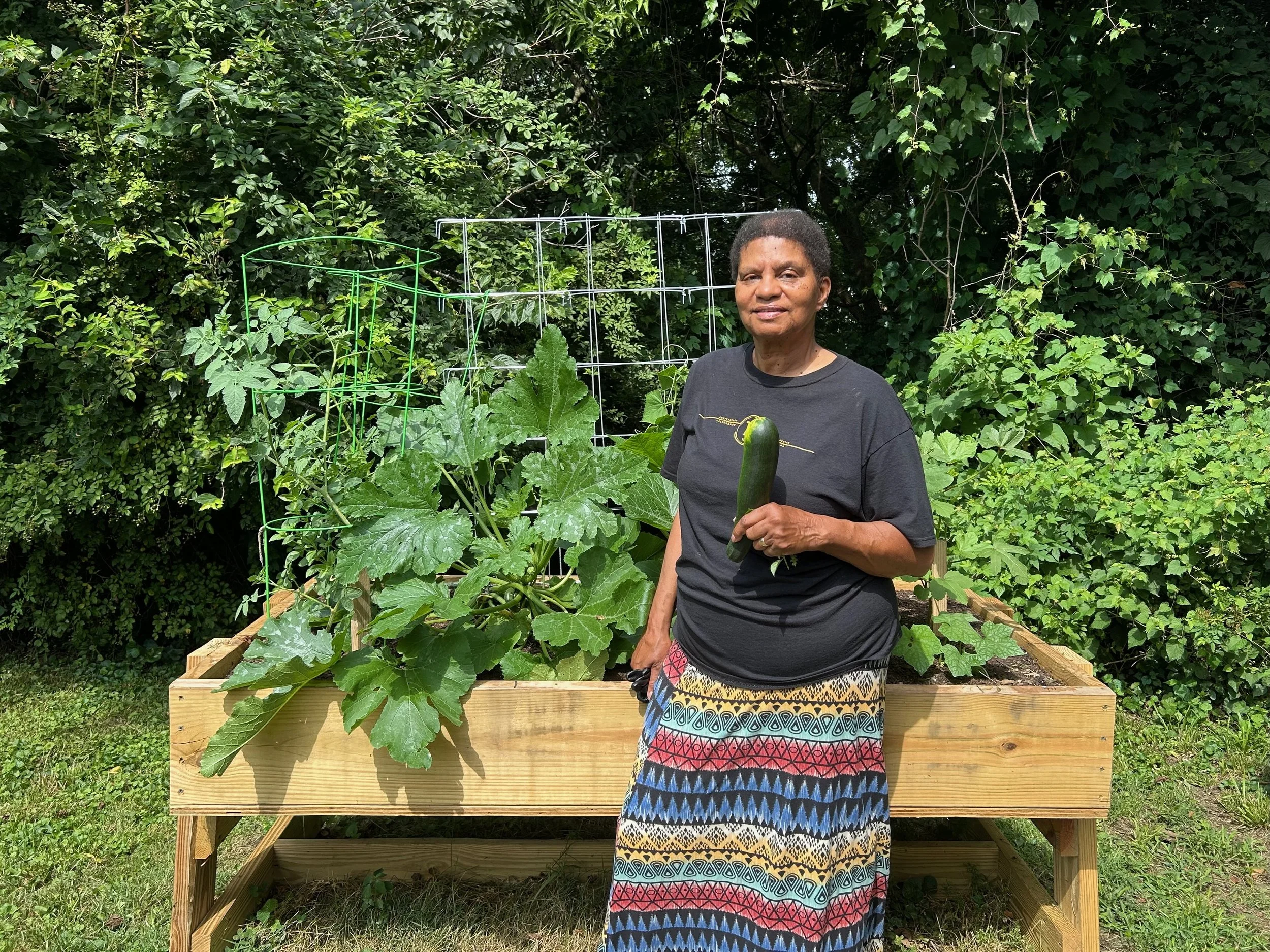
“I remember the garden we had growing up in the South filled with collards and other food. We had so much growing in our backyard that we didn’t buy from the store often for vegetables. We ate what we grew! At the time, gardening wasn’t something I enjoyed. It was more of a childhood chore. I’ve been trying to find fresh veggies by going to markets near me, but they can be kind of pricey. When I learned about the opportunity of Bountiful Backyard Gardens, it brought those memories back, but now I look at it differently. I remember the recipes and try to replicate them with what I’m growing in my garden now. I’m so grateful!”
Looking Ahead
In 2026, our Urban Agriculture Program will focus on expanding our outreach by continuing to decrease the miles people must travel to gain access. Our 2026 Civic Gardener Development Training (CGDT) will include more classes on food production through our collaboration with local orchard steward professionals and community building. Increasing our Bountiful Backyard Garden Program by 100 percent in 2026 will allow us to further decrease barriers to local food in communities affected by food apartheid. Our HUB Garden and Community Garden Programs will continue to expand on the increased enthusiasm surrounding local food by once again offering robust, accessible education and resource sharing throughout the growing season.