A Generous Garden
By Julie Dennewitz, CGC Horticulturist
To build a clam garden on the Pacific coast, you must roll rocks onto the beach to construct a short stone wall at the low tide point. Sediment will build up behind the wall and create a deeply bedded terrace where clams can thrive. These clams will filter impurities, improving local water quality. They will feed a web of other animals, from red rock crabs to sea otters to coastal-dwelling raccoons. Amongst the clam beds, other animals will find homes: sea cucumbers and octopi, cockles and limpets.
If you build a clam garden on the Pacific coast, you will be following an Indigenous practice that is thousands of years old. You will be feeding yourself and your family with an endlessly regenerating source of protein, iron, and B vitamins. But beyond that, you will be nourishing an entire regional ecosystem. Instead of extracting, you will be creating and cultivating a community resource.
The story of Pacific clam gardens sticks in my mind when I consider what it takes to make urban agriculture sustainable and climate resilient. They are a brilliant example of how enhancing one habitat specifically for human benefit can inadvertently allow hundreds of other species to prosper as well. That’s at odds with the style of agriculture we’re surrounded by in the Midwest. Here, food production often means planting corn right up to the road—Round-Up Ready, with not a square foot wasted on weeds. Meanwhile, even in smaller backyard gardens, every insect is treated with suspicion. We’re taught that to yield a successful harvest, one must create a clear boundary between garden and nature.
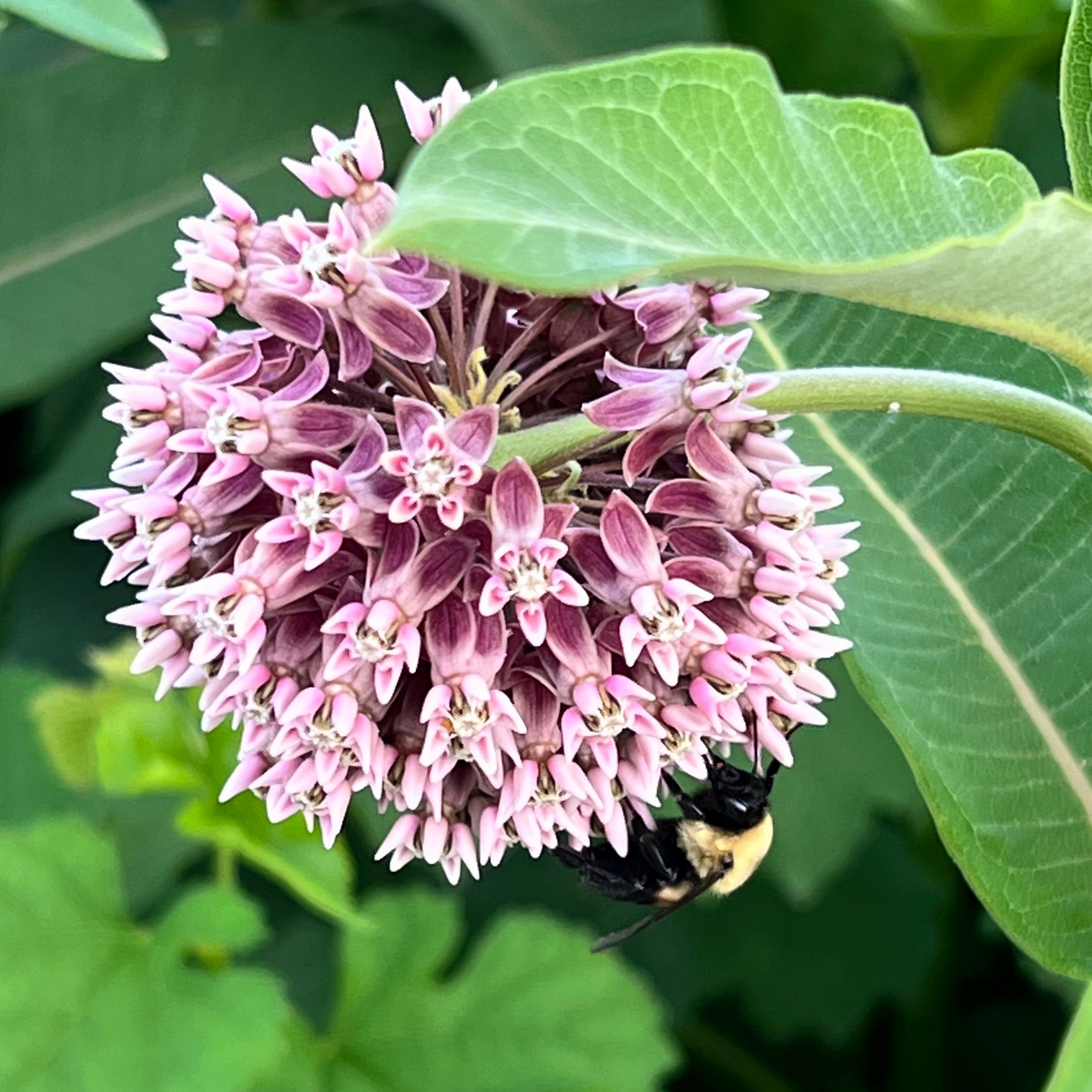
What if we viewed agriculture here in Ohio the way the Salish Coast Tribes view the clam gardens? It would be less a radical change and more a renewal of human activities that make a positive impact on their environment. Plowing, planting, and harvesting creates soil disturbances that can become a huge advantage for certain native species. Common milkweed, for example, flourishes along the margins of farm fields. If farmers chose to skip broadcast-spraying herbicide, they would create millions of acres of habitat for milkweed—and the Monarch butterflies who depend on it.
Backyard agriculture also benefits from this shift. Consider the squash bug, a sap-sucking pest that can quickly cause an entire crop to yellow and wilt. Many gardeners have spent their summers squishing, scraping, and spraying to keep their squash harvest safe. But squash bugs are a native insect. They evolved alongside pumpkin and squash vines and travelled with them across North America. They are also the primary food source for the larvae of the feather-legged tachinid fly. Without squash bugs, this beautiful and unusual pollinator would have nowhere to raise its young.
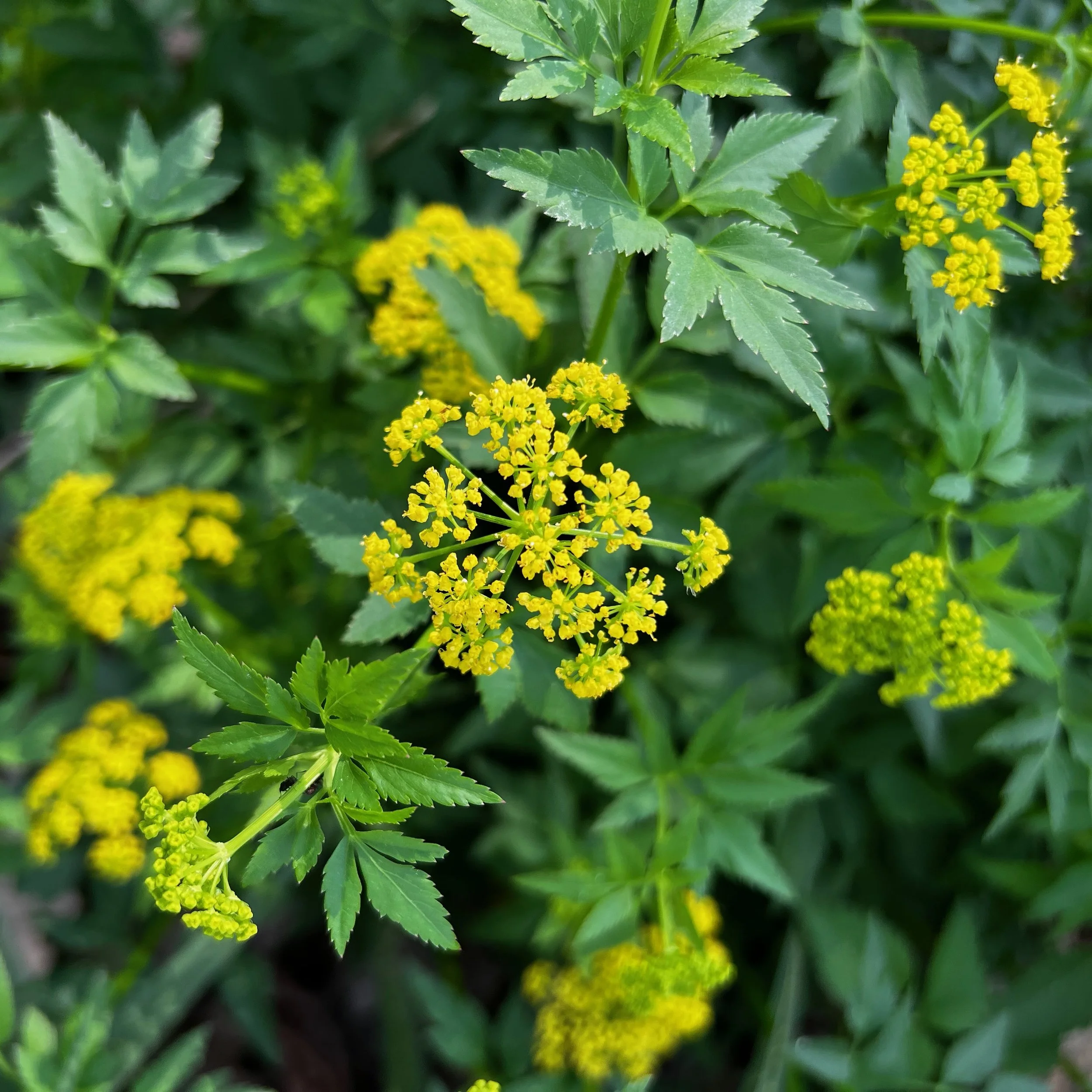
You can attract feather-legged tachinid flies to your garden by planting Meadowsweet and Golden Alexander and even non-native fennel and dill. And you can lure squash bugs away from your main garden beds by offering them a trap crop of blue hubbard squash. You can protect this relationship by resisting the urge to react to every pest you see. Instead, practice the art of observing without judgement. Give nature the chance to find a balance within your garden and you will be rewarded.
If you plant a vegetable garden in Cincinnati, Ohio, and include native plants and sustainable practices, you will create habitat for hundreds of species. If you share a small portion of your harvest with them, you will support relationships that resonate across the entire local ecosystem. Your generosity will be repaid with healthier soil, better yields, and less work over time. Instead of battling against nature, you will embrace your role within it as caretaker. You will leave a legacy like that of the Pacific Clam Gardens—one that honors the land and its inhabitants for generations to come.