From Vacant Lot to Community Haven: The Camp Garden Story
By Stephanie Fransen, CGC Administrative & Facilities Manager
Come summer, a child in Camp Washington can reach through the fence around the neighborhood garden and pick a fresh raspberry instead of walking to a corner store for a bag of chips. This, to me, is the power of urban agriculture: its ability to turn a food desert into a food oasis, simultaneously replacing the carbon footprint of long-distance trucking with nutrient-dense food grown right where we live. And it’s part of why I took over as coordinator of the Camp Washington Community Garden in 2022.
The long and ever-evolving story of this garden began in 2008 on a lot where two houses had once stood. Its creation was fueled by a $1,000 Little Garden Grant and support from what is now called the Camp Washington Urban Revitalization Corporation. This radical act of reclaiming vacant city spaces and breathing life back into them that set this garden into motion is the essence of why urban agriculture is so vital.
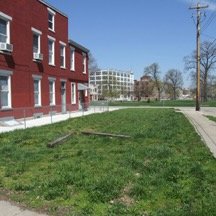
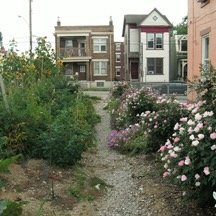
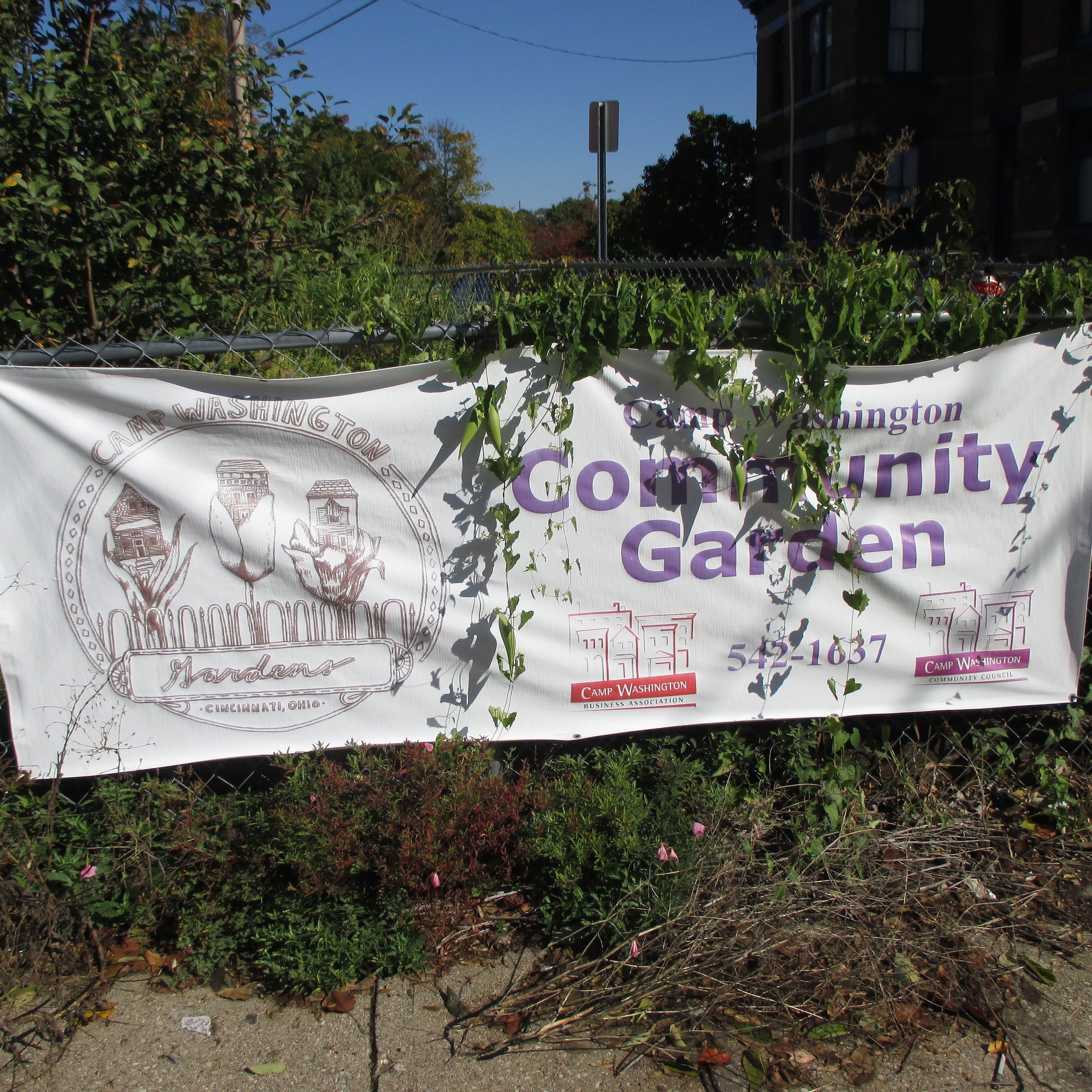
The early years focused on the literal ground up. Dirt was added to the lot, and maintenance workers from the River City Correctional Facility—who also happened to be farmers—hauled in manure to amend it. The space was originally designed to honor the garden’s nextdoor neighbor, the Masjid Assunnah Mosque, by incorporating traditional Islamic Garden concepts like courtyards, shade, and privacy. A hardy Peducha apple tree was planted, accompanied across the garden by a Persian Ironwood (native to Iran) to provide resilience and shade. By 2011, a fence was installed to define the space, and in 2017, a new patio was finished to enhance the garden's role as a neighborhood gathering spot.
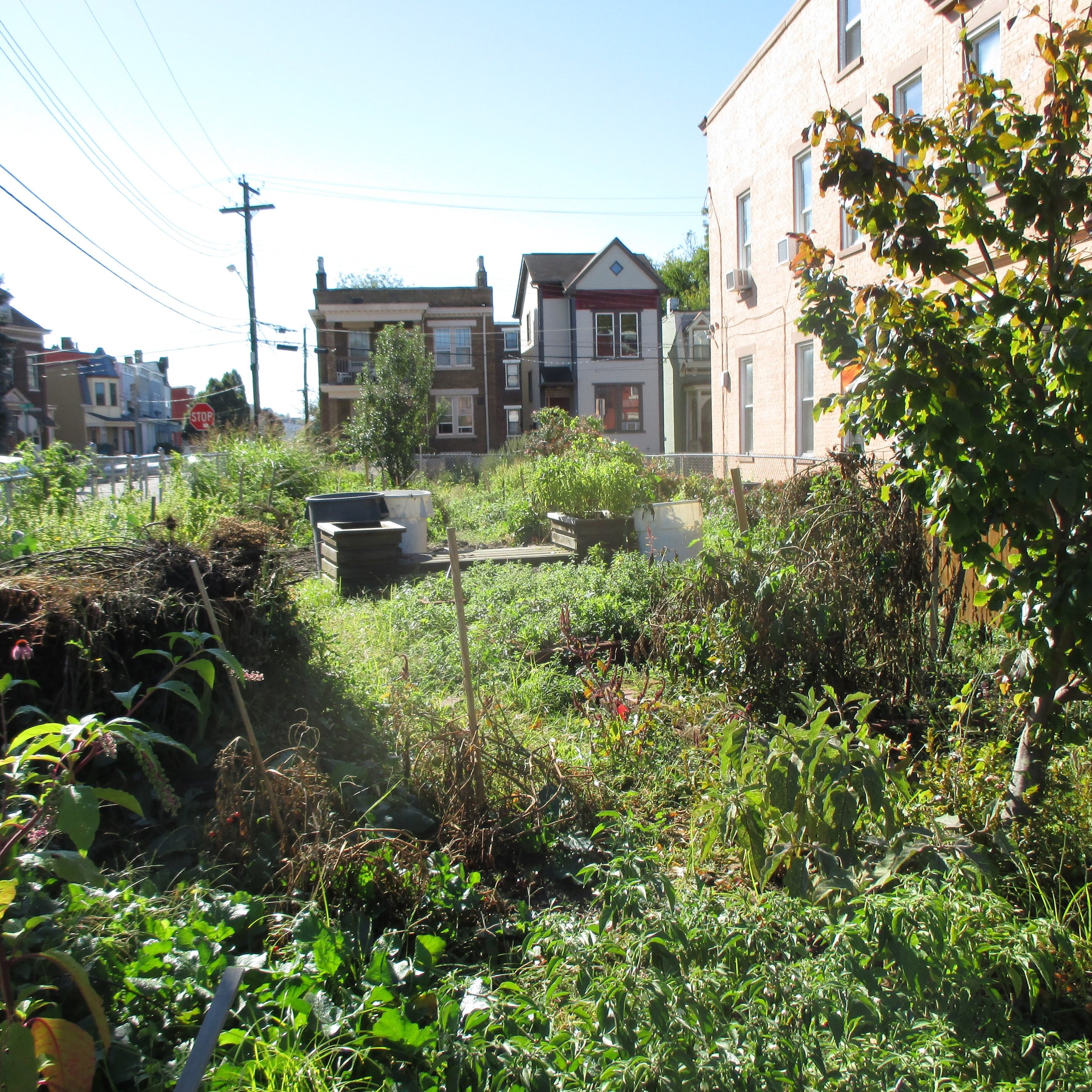
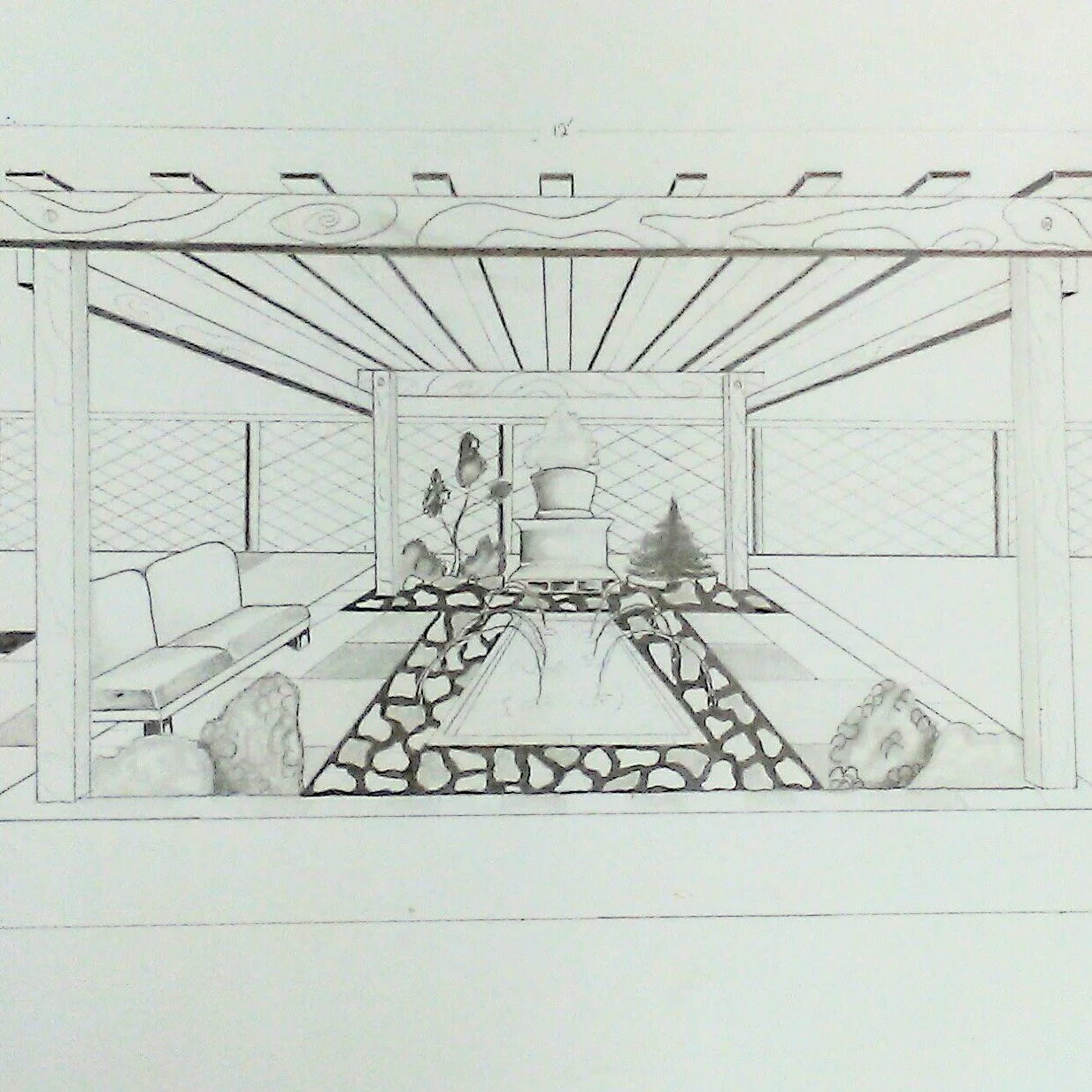
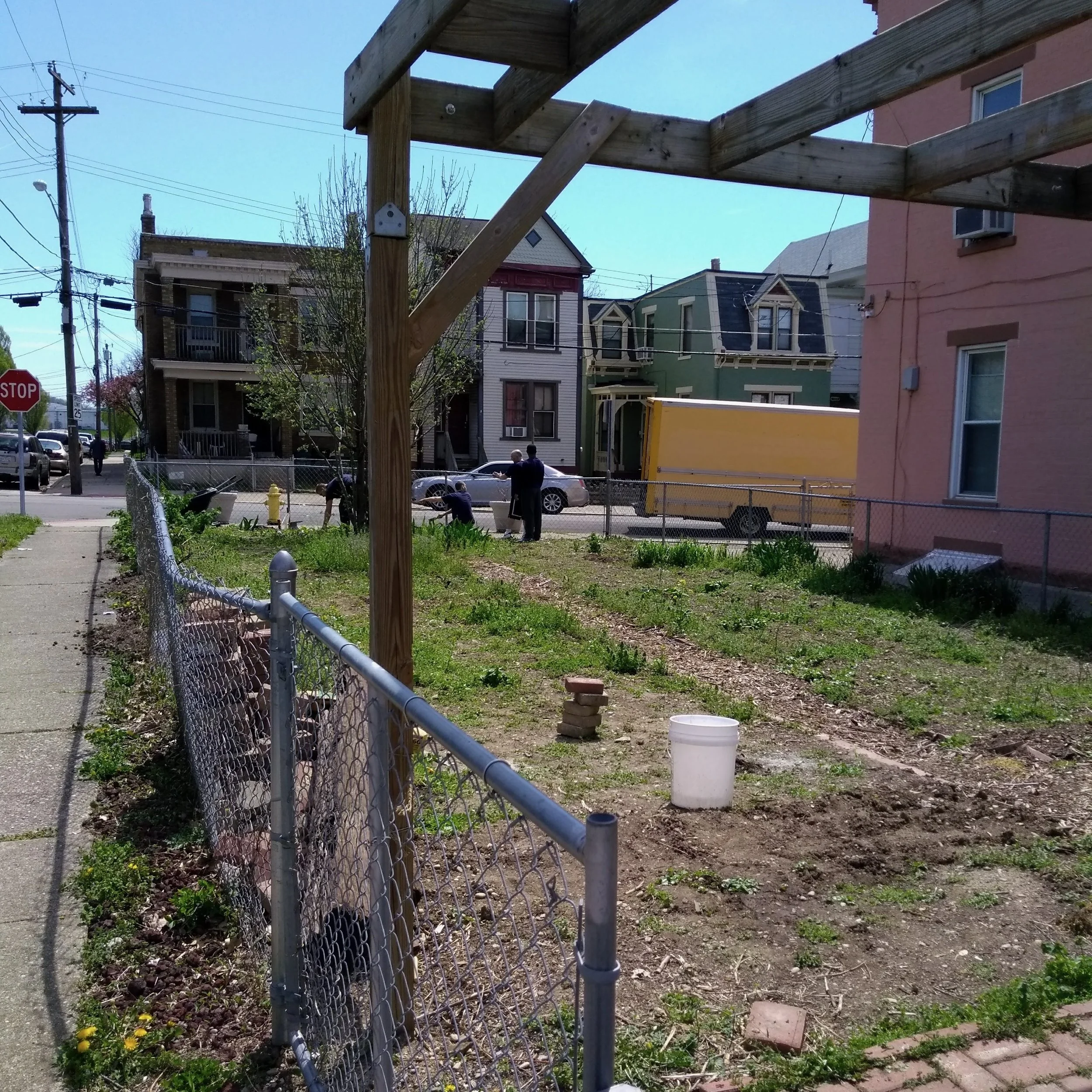
Growth continued in 2018 with the building of a pergola. Its design was hand-drawn by a volunteer from River City Correctional Facility. After completion, the pergola was immediately planted with Mars and Niagara grapes. A fig tree was added nearby, and raspberries and blackberries were planted along the fence line. In 2019, the original garden coordinator stepped down—but the story of the garden did not end there.
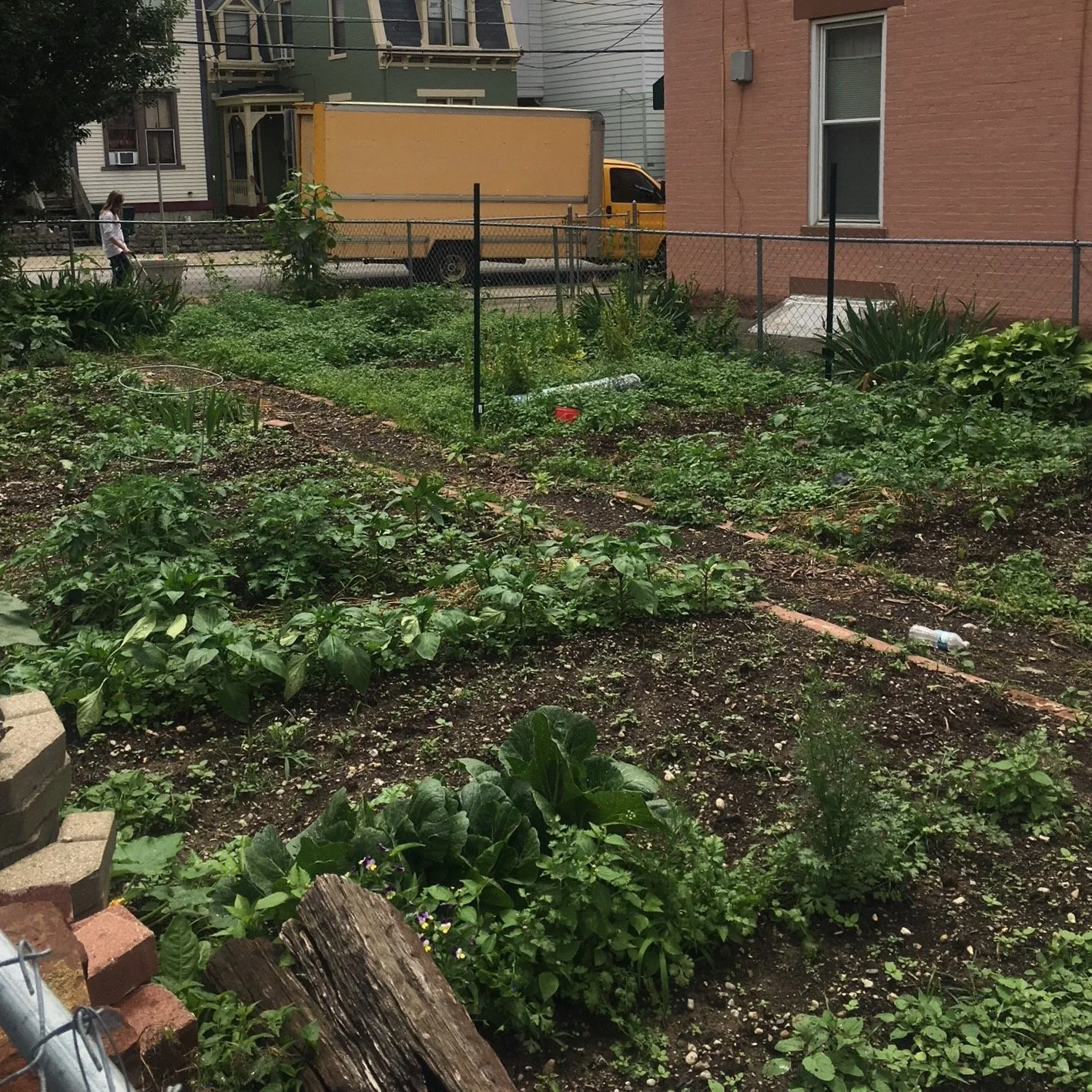
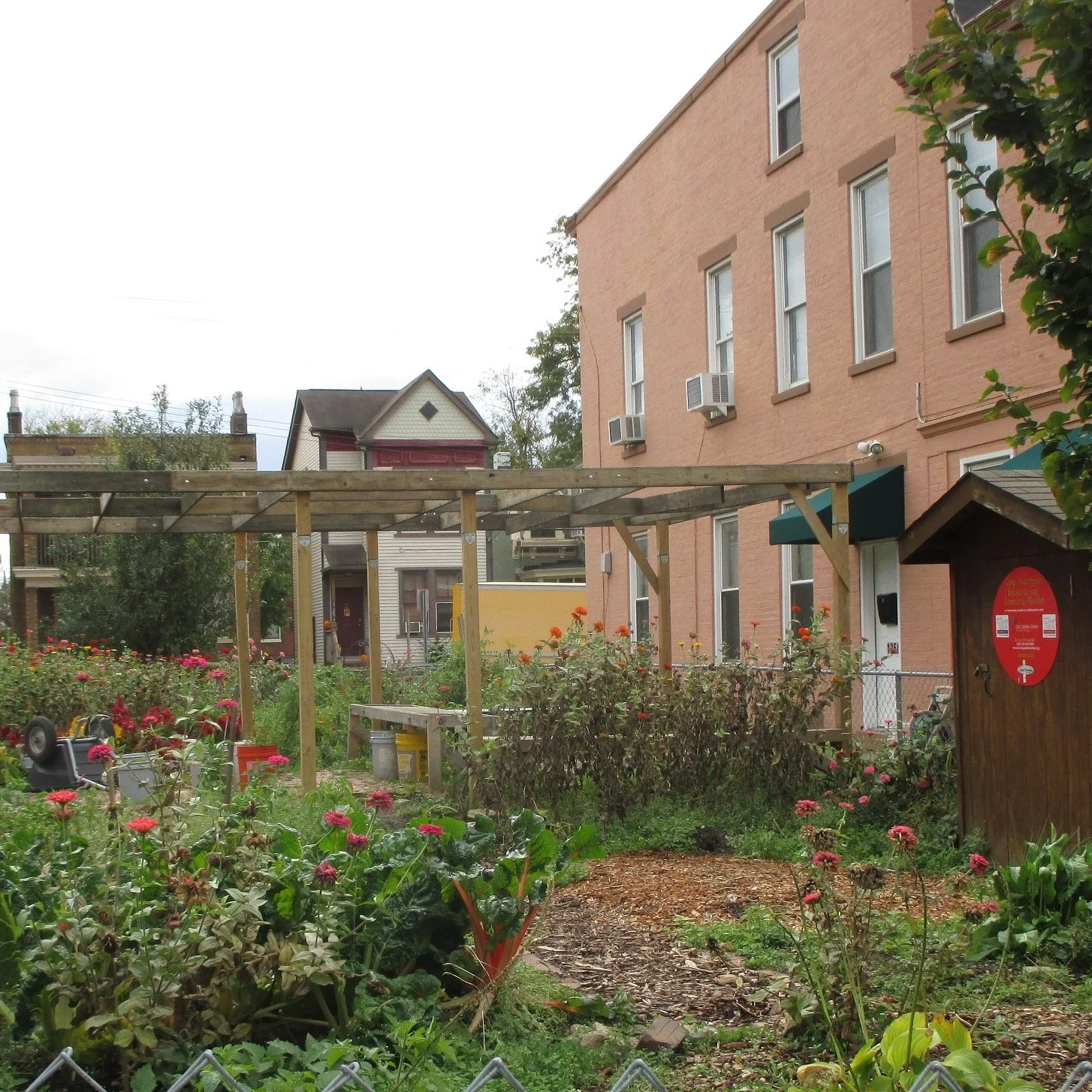
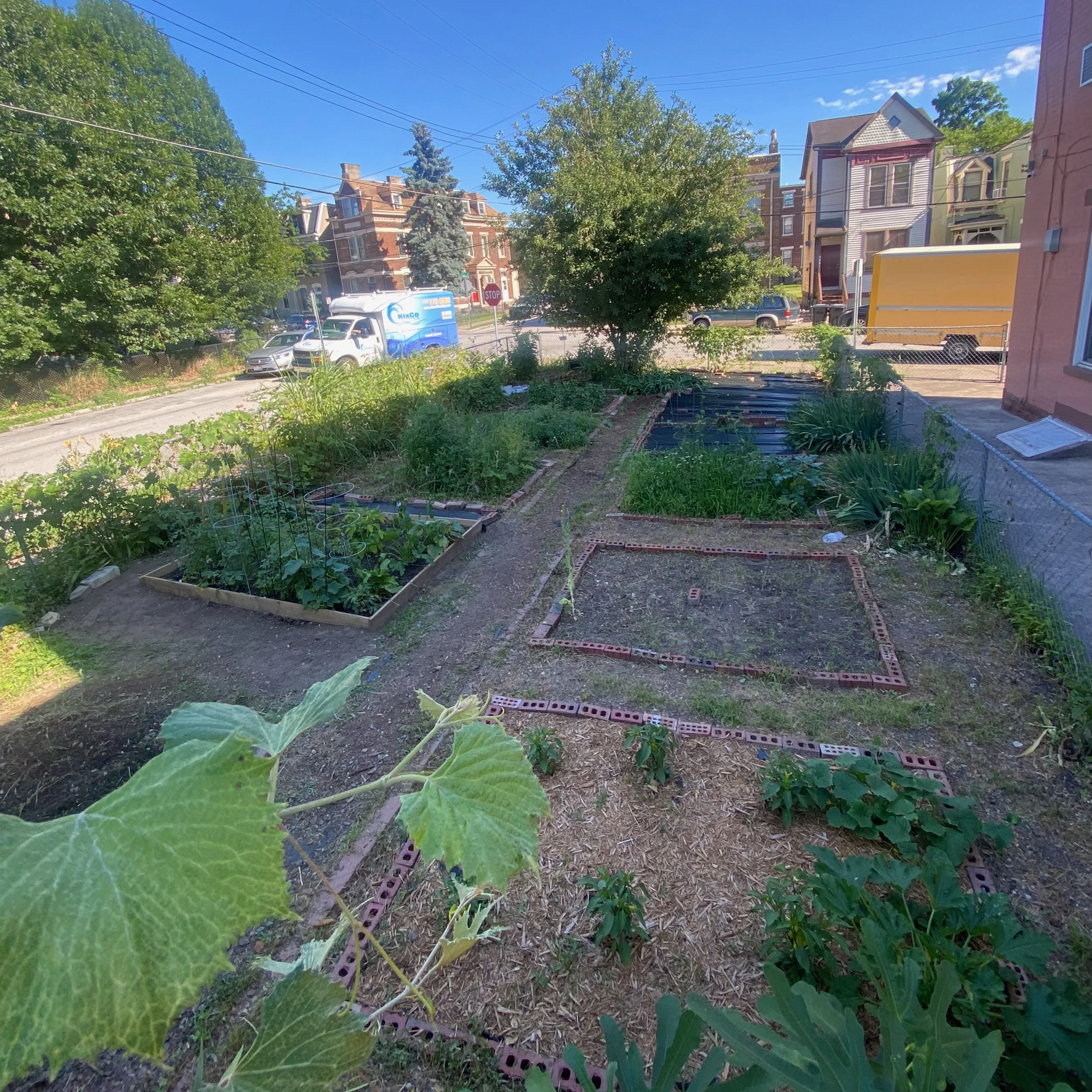
I had moved to Cincinnati in 2016. I’d always grown houseplants, but my first home here had no outdoor gardening space. I came across the Camp Washington Community Garden in my neighborhood, and eventually a friend gave me access. I grew there as a gardener for several years until one day in June of 2022, while helping fill planters for a neighborhood beautification project, I noticed "Civic Garden Center" on the plant tags. Curious, I looked the CGC up and immediately signed up to volunteer. I also took CGDT (Civic Gardener Development Training), which provided me with the information and resources that allowed me to take over garden leadership from the neighbor who had been in charge since the original coordinator left.
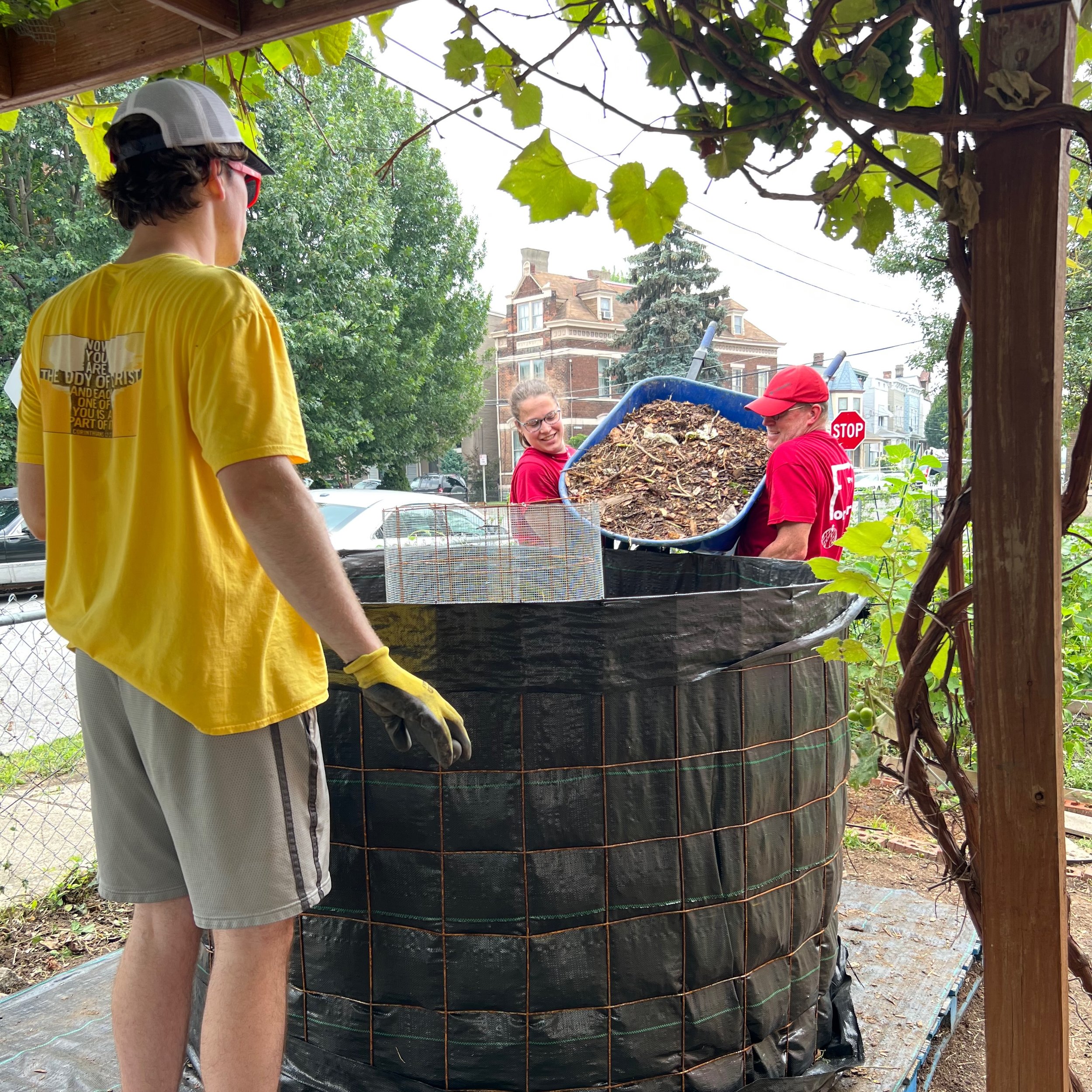
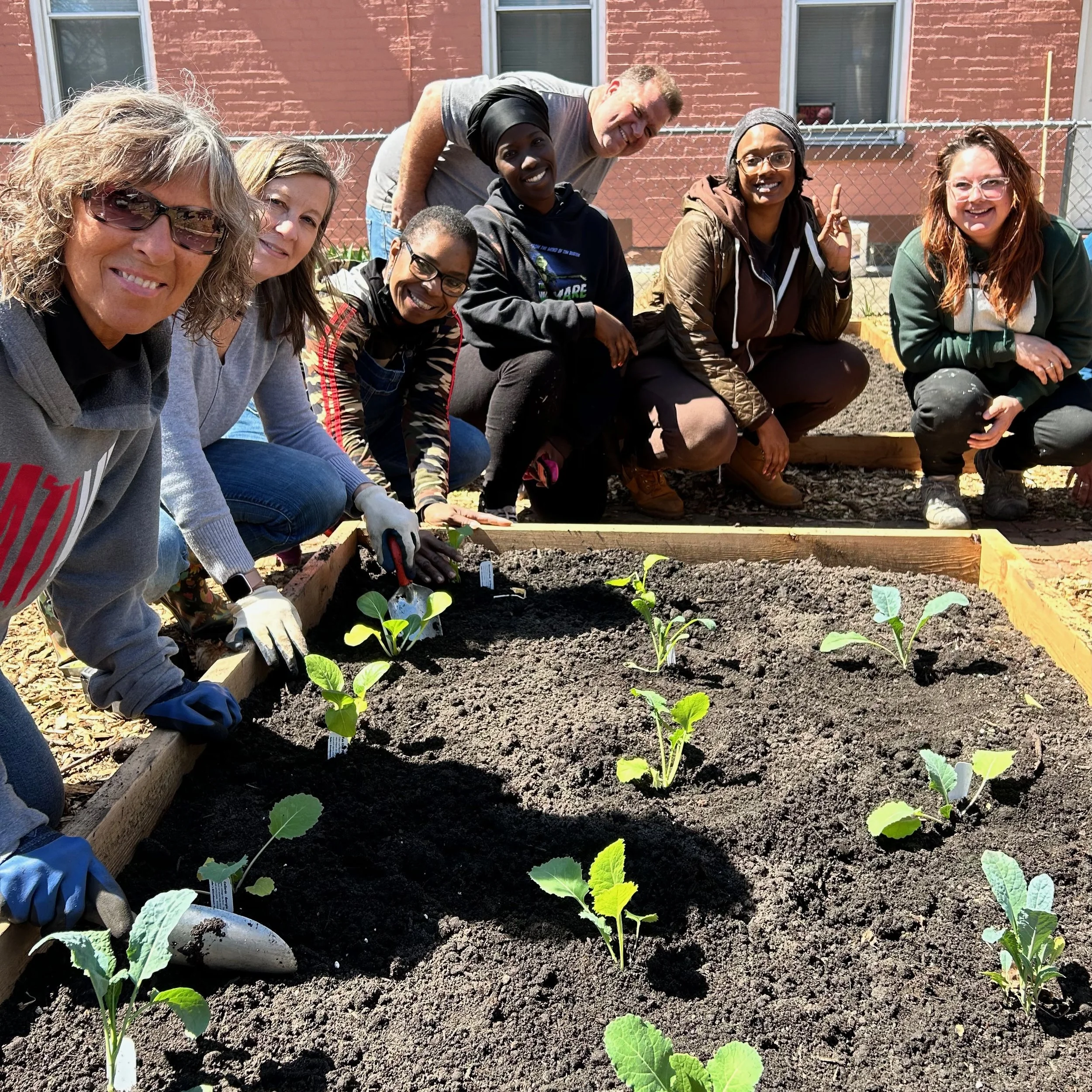
And so, after completing my CGDT training in 2022, I stepped into a new chapter: from gardener to coordinator. That summer, student volunteers tore out an old fountain and, in partnership with Queen City Commons, we installed a Johnson-Su bioreactor—a compost system I'd helped fill at the McMicken Community Garden during my CGDT practicum. In early 2024, wooden garden beds were installed using Seeds of Change grant funding and filled, in part, with the contents of our bioreactor, finally allowing gardeners to have their own dedicated plots. Then that April, CGDT graduates installed and filled more beds, built a three-bin compost system, and planted crops as part of their practicum. That fall, we made sorbet with our grapes for the CGC’s Flavors of the Community Garden event.
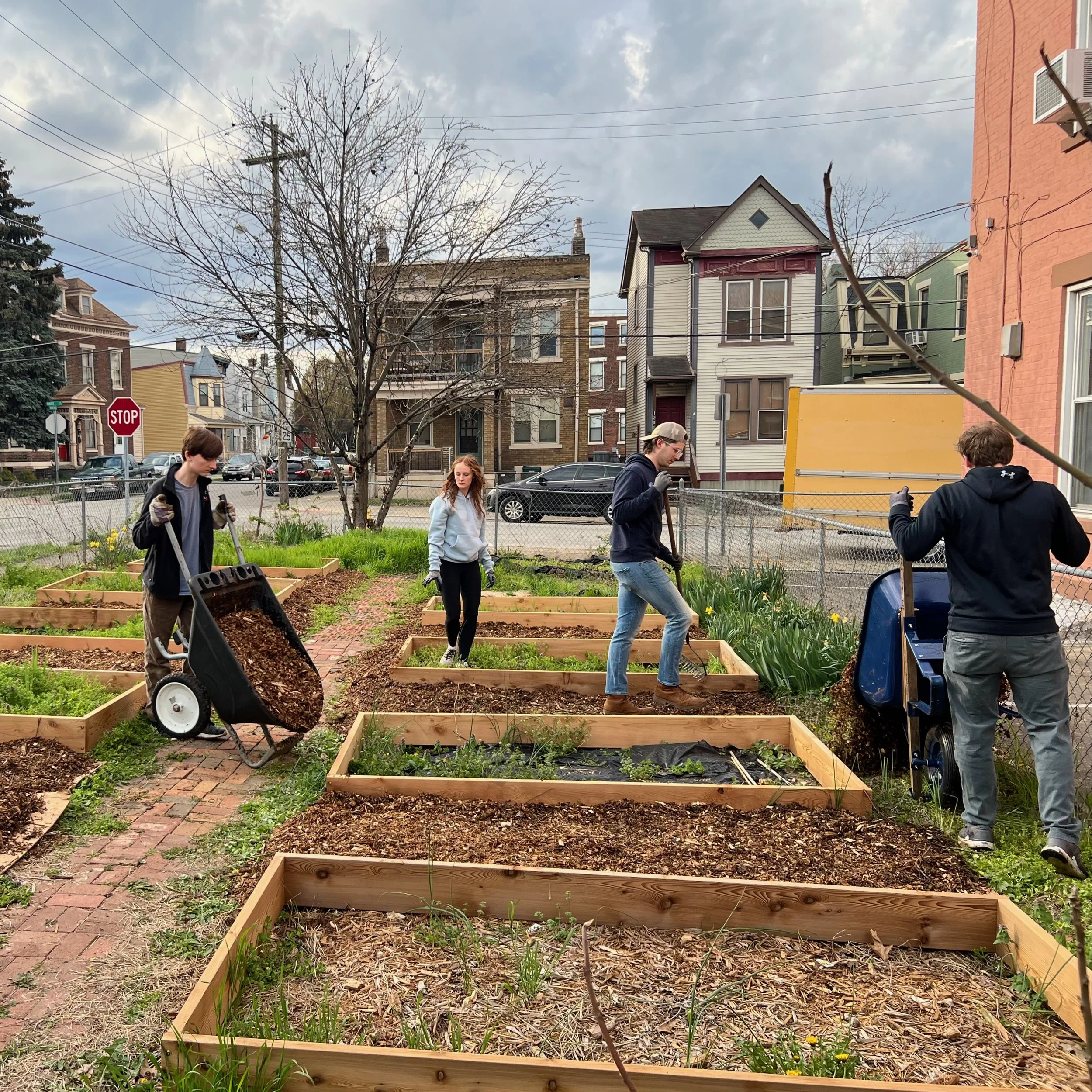
This is the heart of my work: watching a neighbor transform from a consumer into a producer. It gives people a sense of agency and a connection to the earth that is so often lost in city life. I want this community garden to act as a social glue that binds us together—during good times and bad—through shared labor and the joy of the harvest.
Beyond the community bond, there is a profound transparency in the process. When you grow your own food, you reclaim control over what enters your body. You know exactly what touched the soil, what nourished the roots, and most importantly what never touched the leaves. Unlike the mass-produced items sitting under fluorescent store lights, this food is harvested at its nutritional peak, vibrant and untainted.
There is also a deep, quiet harmony in this practice, but perhaps the greatest benefit is the psychological harvest. There is a profound sense of connection in watching a plant’s journey from a tiny, vulnerable sprout to a heavy, ripening fruit. From garden to plate, there becomes an unmatched pride in sitting down to a meal where you were the cultivator of every bite. It’s not just sustenance; it’s a testament to your own resilience and a reminder that we are capable of providing for ourselves and each other.
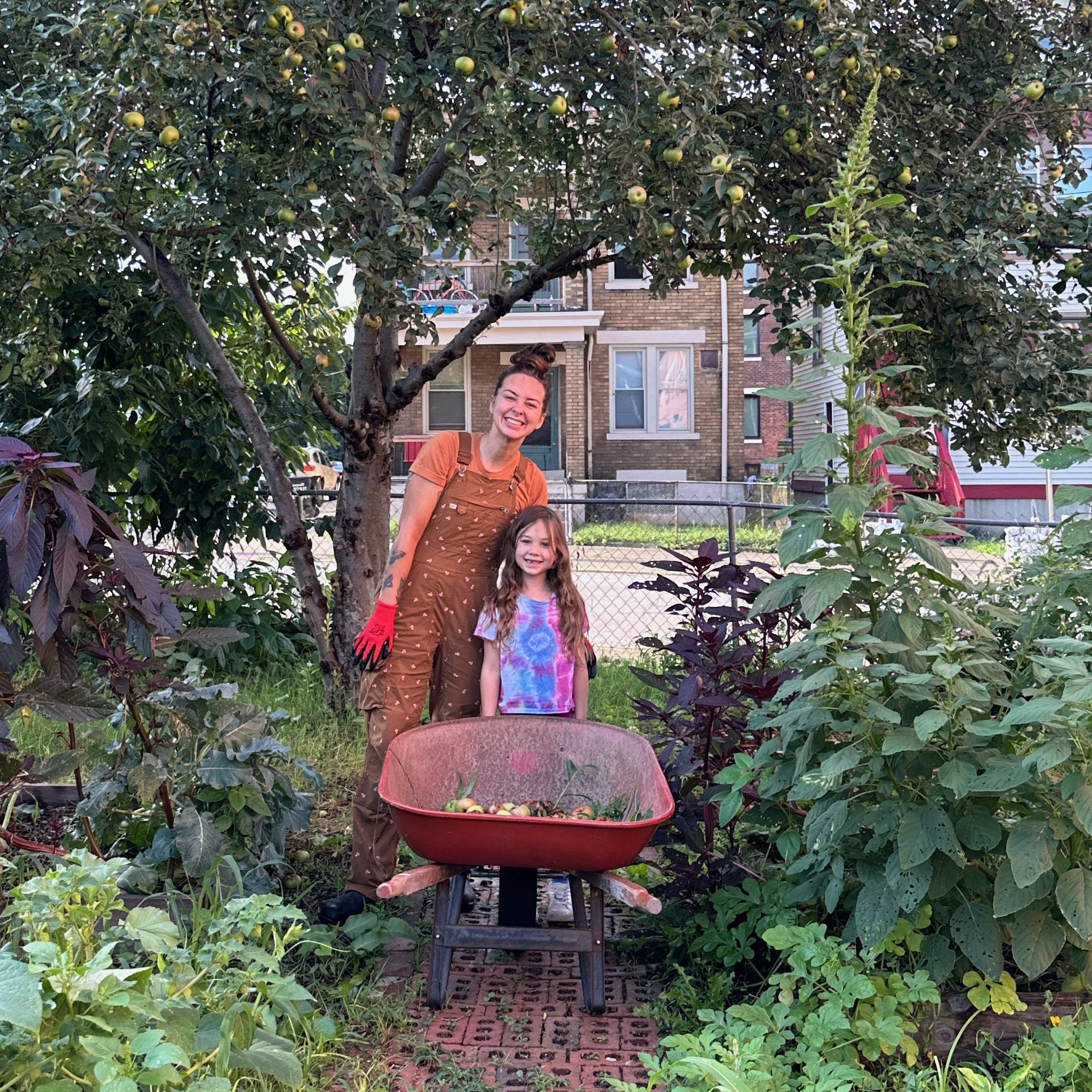
I’m coming up on my third year of leading the Camp Garden. We’ve had many workdays through the CGC, and Camp was one of nine gardens featured during the CGC’s free 2025 summer HUB Garden class series. At our cooking class last summer, we shared apple jam made from our trees.
As we move into 2026, we’re tackling ambitious infrastructure projects at the garden by rebuilding our pergola, installing a larger shed with a rainwater catchment system, and widening the brick walkways to be ADA compliant. To me, these aren't just construction projects—they’re a commitment to making urban agriculture inclusive and permanent, ensuring this garden remains a safe, productive sanctuary for everyone in Camp Washington for years to come.