Turning Gray Spaces Green
By Karen Kahle, CGC Executive Director
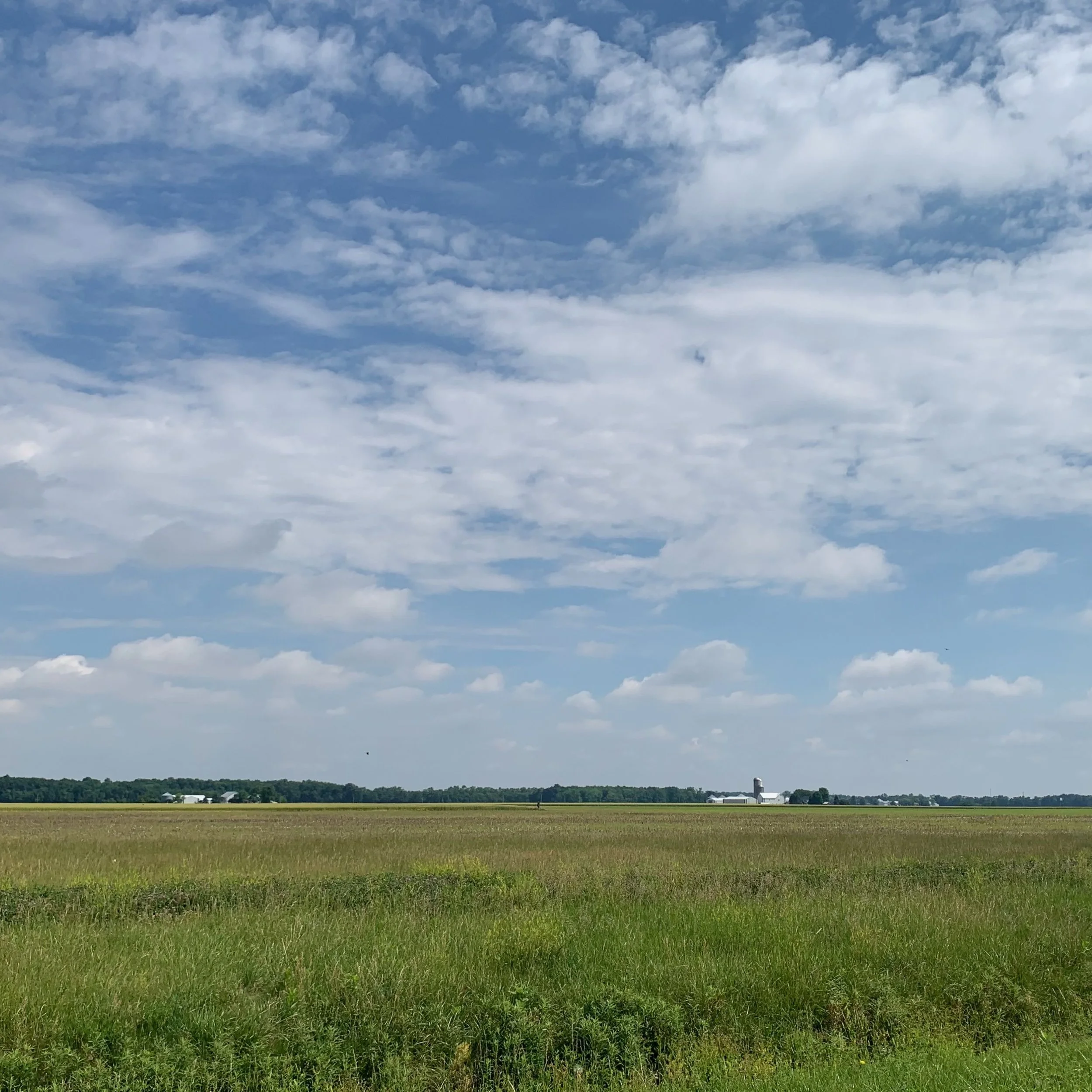
I had missed the deadline for this article in our spring newsletter. As I drove back to the rural farming community where I grew up—what I affectionately call the “flatlands” of northwest Ohio—I kept thinking about my assignment: what urban agriculture means to me and to the CGC. And here I was heading back to where my understanding of agriculture began.
Northwest Ohio was once part of the Great Black Swamp, a vast, tangled wilderness that stretched across northeast Indiana and northwest Ohio. In the early 1800s, through massive drainage efforts, it was transformed from a subsistence-based frontier into a global agricultural powerhouse. What had been 1,500 square miles of towering oaks and sycamores, murky water, and mosquito-filled wetlands—land that could swallow horses and wagons whole—became farmland.
This is where my German ancestors settled, helping to build a legacy of small family farms that connected generations to the land. These farms shaped communities, preserved traditions, and created a strong sense of place that still defines many small towns today.
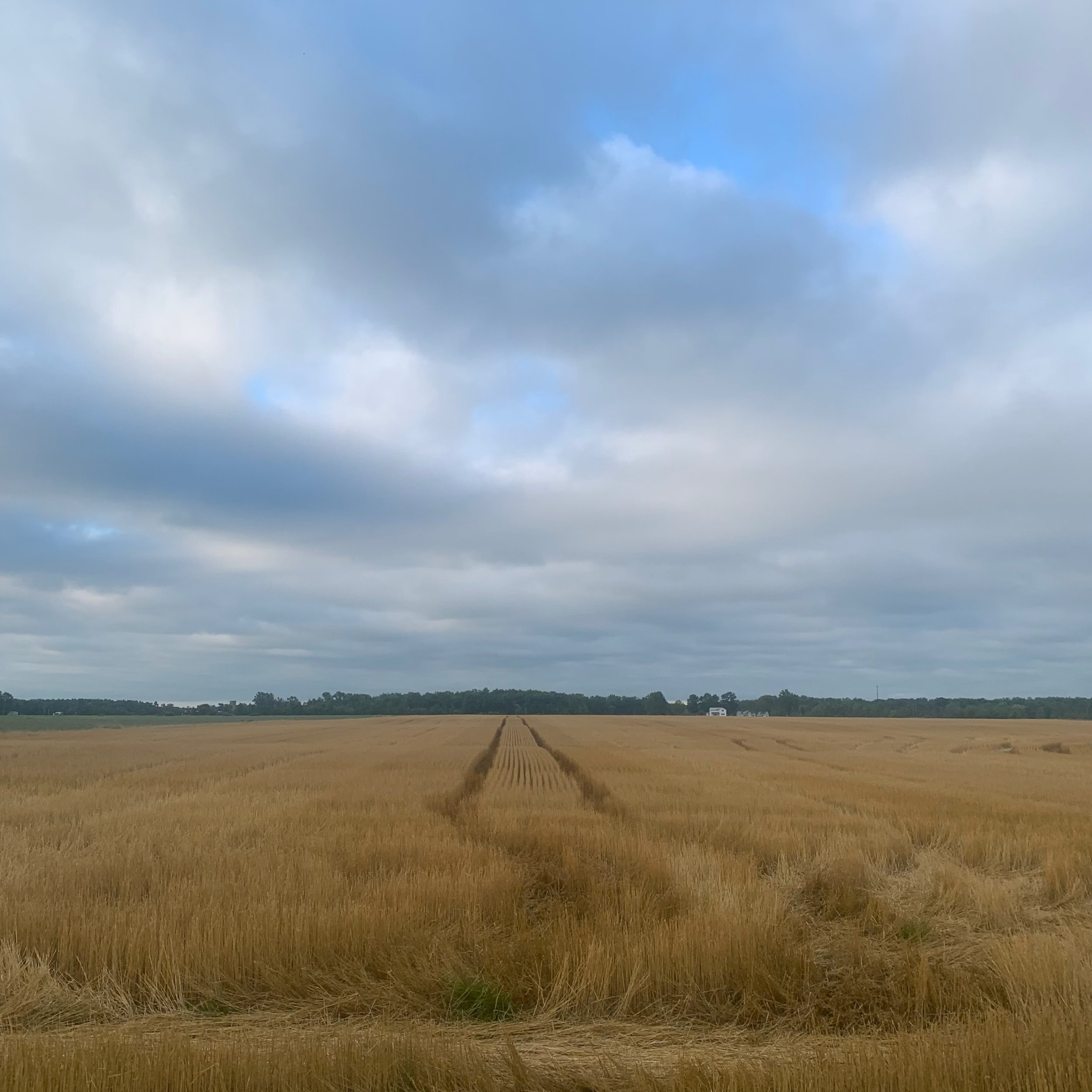
But that transformation came with lasting consequences. Without the natural filtration of the swamp, nutrient-rich runoff from farm fields now flows directly into Lake Erie through miles of drainage ditches and tiles. This runoff fuels massive algal blooms each year—so large they can be seen from space—and may contribute to higher rates of serious health issues in the region.
There is, however, a hopeful turn in this story. More than a century after the swamp was drained, Ohio is investing millions to restore parts of it through the H2Ohio program. This initiative works with farmers to reduce runoff and improve water quality by implementing proven conservation practices. Farmers are being supported in converting flood-prone land back into wetlands—removing drainage systems, restoring native plants, and allowing the land to function as it once did. The goal is to create a balance: space for both agriculture and natural ecosystems, for both human communities and wildlife.
This work feels familiar.
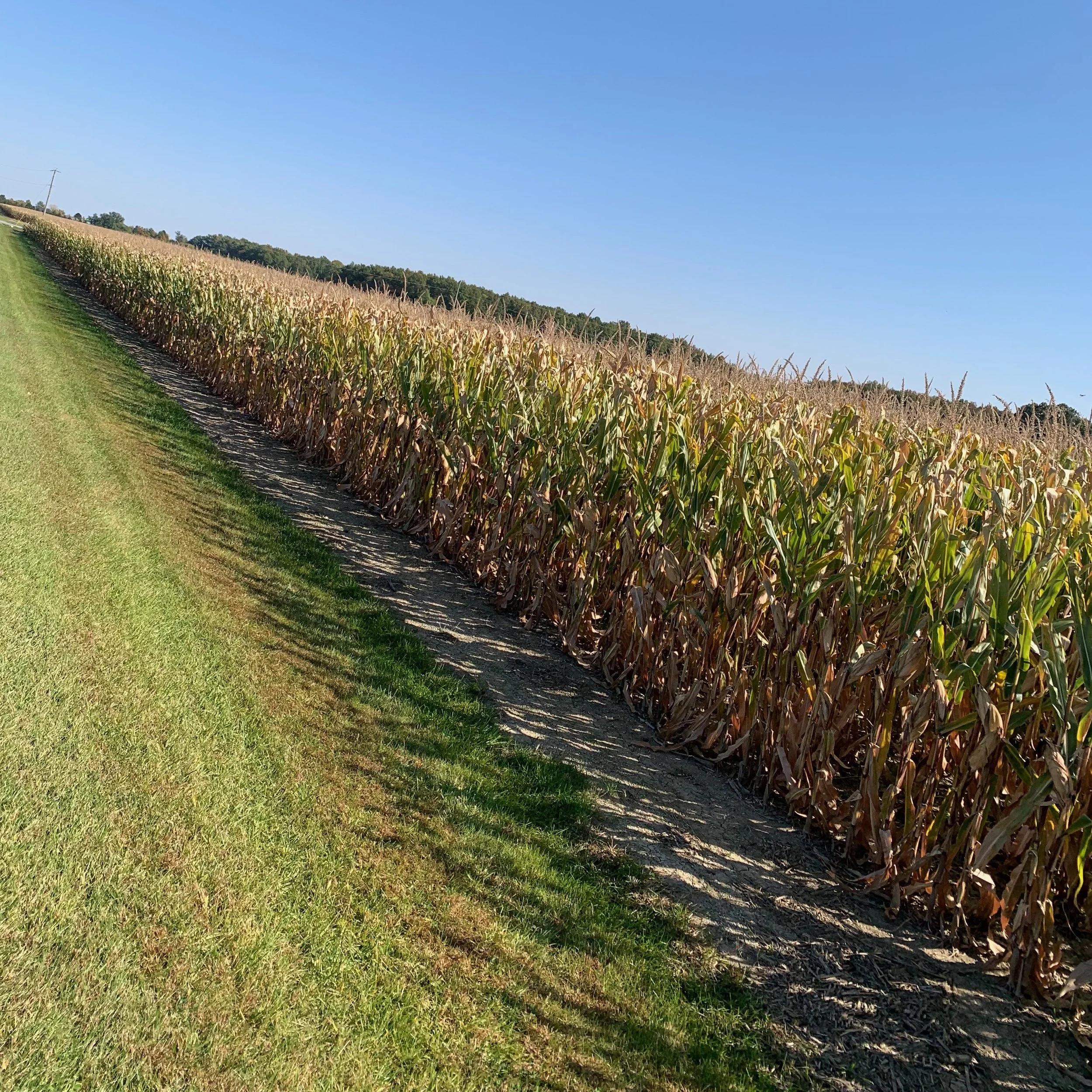
Just as rural farms are vital to their communities, urban farming can address food insecurity and environmental challenges while honoring the history and future of the communities it serves. The CGC is working to ensure that urban agriculture becomes a lasting part of city infrastructure—not just a temporary solution.
But turning gray spaces green isn’t easy. Urban farmers face limited space, logistical challenges, and resource constraints. Sustainable practices aren’t optional—they’re essential.
As cities grow denser and greenspace becomes scarcer, urban agriculture offers a path forward. With thoughtful planning, efficient resource use, and supportive policies, we can transform underused spaces into productive, community-centered growing areas. The benefits go beyond fresh food—to stronger connections, improved environmental health, and more resilient cities.
Urban agriculture is already part of a growing success story. It’s taking root on rooftops, in vacant lots, and on balconies as more people recognize the value of local food. This movement is reshaping how we think about cities and sustainability.
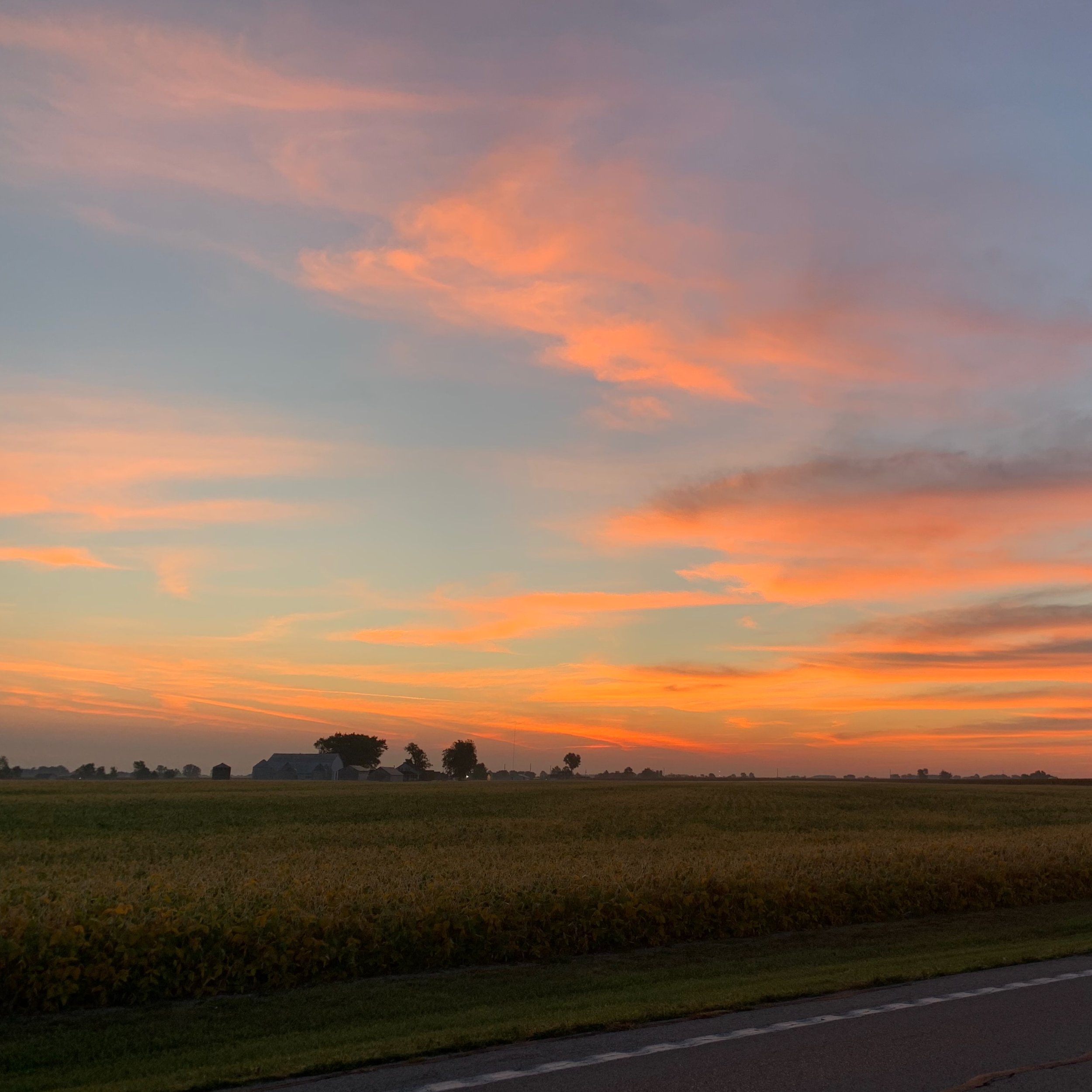
As I arrive in the flatlands, I pass flooded fields and swollen creeks from recent rains. I think about the work our urban agriculture team and volunteers completed just last week at our newest project site in Cincinnati’s CUF neighborhood—building raised beds, installing a bioreactor, laying out rows for planting.
There is work to be done everywhere if we want to transform our food system. Whether in rural fields or city neighborhoods, each of us has a role to play in restoring balance, supporting sustainable practices, and growing a healthier future. Together, we can turn more gray spaces green—and ensure that this good-news story continues to grow.