The CGC’s Community Herbarium
The Community Herbarium is a landmark initiative for the CGC and the first of its kind in our 80-year history. This project bridges the gap between professional botany and environmental education, creating a permanent scientific record of the plants that define our neighborhoods, community gardens, and local ecosystems.
By collecting and preserving physical specimens, we are building a botanical time capsule of regional biodiversity. Each entry in the herbarium tells a story: where a plant was found, when it blooms, and how it coexists within our changing urban environment. This collection serves as a vital resource for anyone committed to understanding and protecting our local ecology.
Deepening Botanical Literacy
This initiative is a cornerstone of our commitment to community science. Utilizing the ancient method of plant pressing, our herbarium provides a dedicated space for both new enthusiasts and experienced participants to exercise their botany skills and deepen their knowledge of native plants, non-native plants, and the many species in between. We hope to inspire a new generation of plant lovers, ensuring that botanical knowledge is an accessible, everyday resource.
Scientific Foundations & Technical Training
To ensure this project meets the highest professional standards, our team has dedicated themselves to specialized training and research. Members of our staff have spent time at the University of Cincinnati’s Margaret H. Fulford Herbarium to gain hands-on experience by supporting their archives. This technical training has allowed us to adopt the professional curation and preservation techniques used by major research institutions.
We’re also conducting extensive literary research within the archives of the Lloyd Library and Museum. By studying their world-renowned collection of botanical and horticultural history, we’re grounding our modern Community Herbarium in centuries of regional botanical wisdom.
The Science of Preservation
Our herbarium follows high archival standards to ensure every specimen remains preserved for generations of learners. The process involves:
ETHICAL FIELD COLLECTION: Responsibly sampling flora from Hauck Botanic Garden and our more than 70 community gardens.
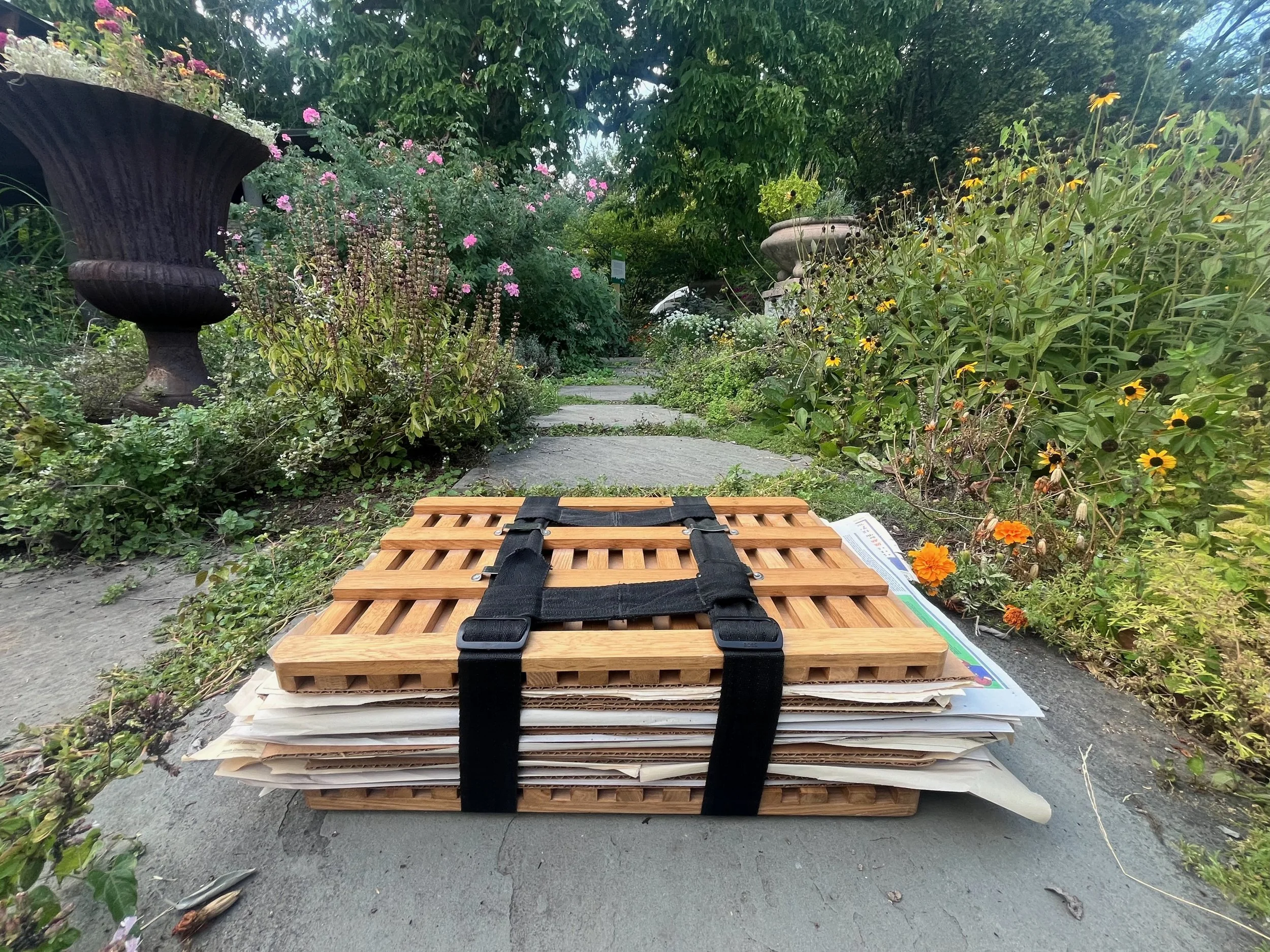
TECHNICAL PRESSING: Utilizing professional methods to dry plants while maintaining their structural integrity for long-term study.
ARCHIVAL MOUNTING: Affixing specimens to acid-free paper with detailed labels, including scientific names, habitat descriptions, and GPS coordinates.
Looking Ahead
We are currently in the foundational phase of this project, carefully cataloging our inaugural collection. As we grow, we aim to include more specimens for reference. In the future, we hope to add things like:
A DIGITAL SPECIMEN GALLERY: Access our physical archives from your own screen to help with plant identification at home.
MOBILE OUTREACH: Look for our team at local libraries and organizations as we share the art of plant pressing across the city.
SKILL-BUILDING WORKSHOPS: Advanced sessions for community members looking to refine their botanical identification and preservation skills.
The best way to hear about future updates is to subscribe to our twice-monthly eNews! You can also register as a volunteer or keep an eye on our calendar for plant pressing and other related classes.