
By Kymisha Montgomery, CGC Urban Agriculture Coordinator
July in Cincinnati is fun—and hot! While we’re hiding inside enjoying our air conditioning, our garden tomatoes are outside working overtime, sweating through the 90+ degree afternoons. By now, your heavy hitters like tomatoes, peppers, and zucchini have probably drained their buffet of spring nutrients. They’re hungry, they’re tired, and they’re probably demanding their mid-summer snack.
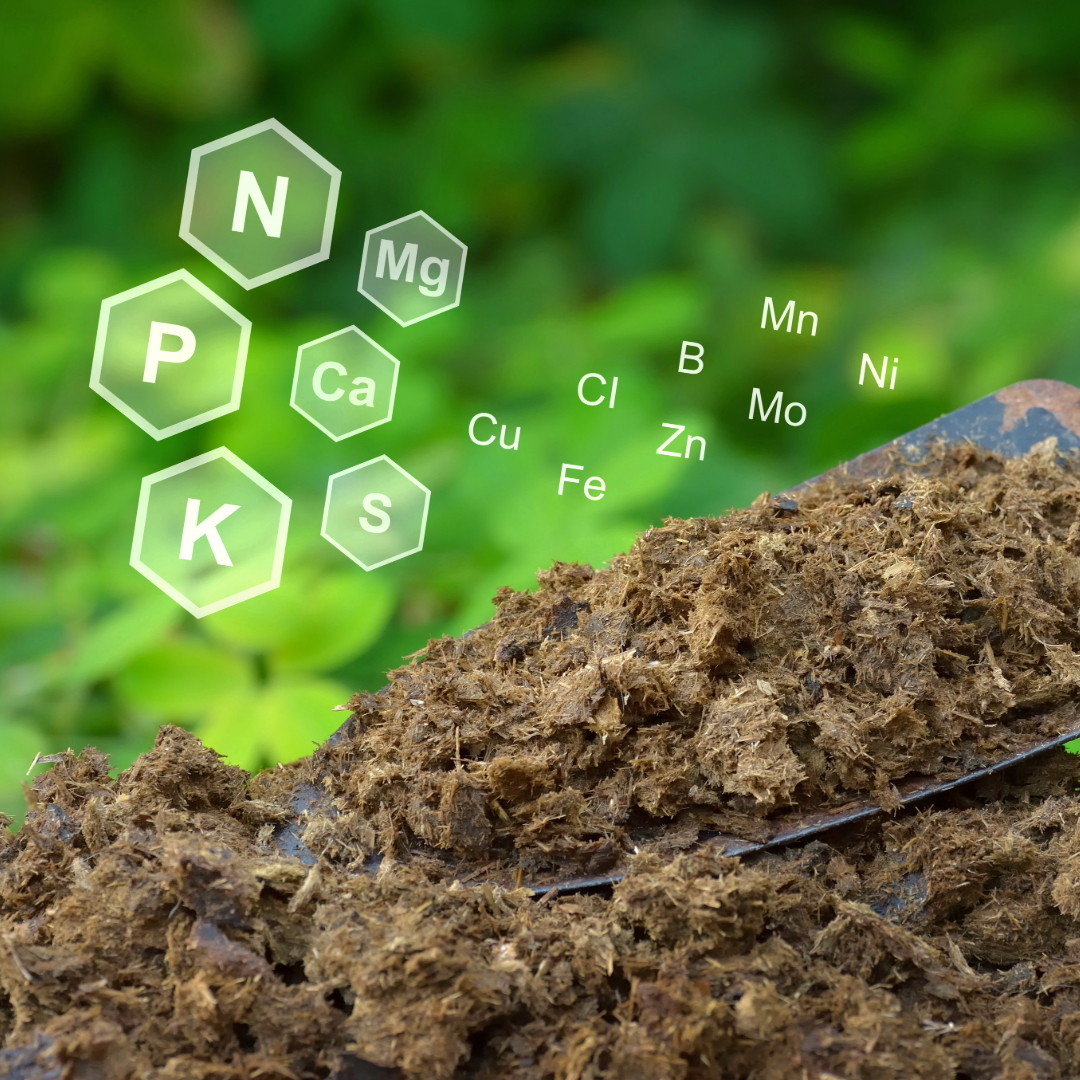
It’s time for a tactical intervention of N (nitrogen) – P (phosphorus) — K (potassium)! Right now, your crops may need a boost of nutrients, and the type of crop will determine which nutrient(s) to prioritize.
Nitrogen helps with leaf and stem growth.
Phosphorus supports photosynthesis.
Potassium helps with flower and fruit production.
At this point in the growing season, the best boost most likely will be a source of phosphorus or potassium. Nitrogen may be useful for any green leafy vegetables still in your garden, but unless you’re into adding a few tomato leaves into a dish, skip applying it to your fruiting crops. Instead, look for a fertilizer that have higher second and third numbers, which represent the phosphorus and potassium. Think about a 3-4-6 or a 5-10-10 option. Fruit is the goal here—not a garden jungle! You can carefully shift from a nitrogen-heavy fertilizer early in the season to a heavier phosphorus and potassium fertilizer once plants like squash and cucumber start to produce flowers.
Some other helpful tips for fertilizing your crops:
Never fertilize dry soil! You can instantly “burn” the roots, especially if you’re using a synthetic fertilizer heavy with salts. Always water before applying to help it dissolve.
Apply your fertilizer during the coolest parts of the day—either early morning or late evening.
Check the forecast! If it’s similar to what we recently experienced with temperatures of 90+ degrees, wait until the temperature drops to apply your fertilizer.
Whichever type of fertilizer you use, be sure to match the contents with your plant’s needs and your garden goals!