By Luis Aguilar-Dwyer, CGC Environmental Education Specialist
My first true introduction to the language of the natural world began during my time as an Applied Research Conservation Intern at a Texas conservancy. Back then, I found myself completely submerged in the meticulous, beautiful work of plant identification and the mapping of native insects. It was a transformative chapter, but it quickly became an isolating one; I was surrounded by incredible ecological secrets and immediately felt a deep, pulling urge to share this lexicon with the general public.
Every morning, I set out to survey ornamental gardens and sprawling, untamed wild spaces. My methods were simple but vital: measuring vegetation density and systematically counting native pollinators. It was during these morning rounds that a stark realization hit me. Even as recently as 2018, so many people were still just waking up to these ecological concepts for the very first time.
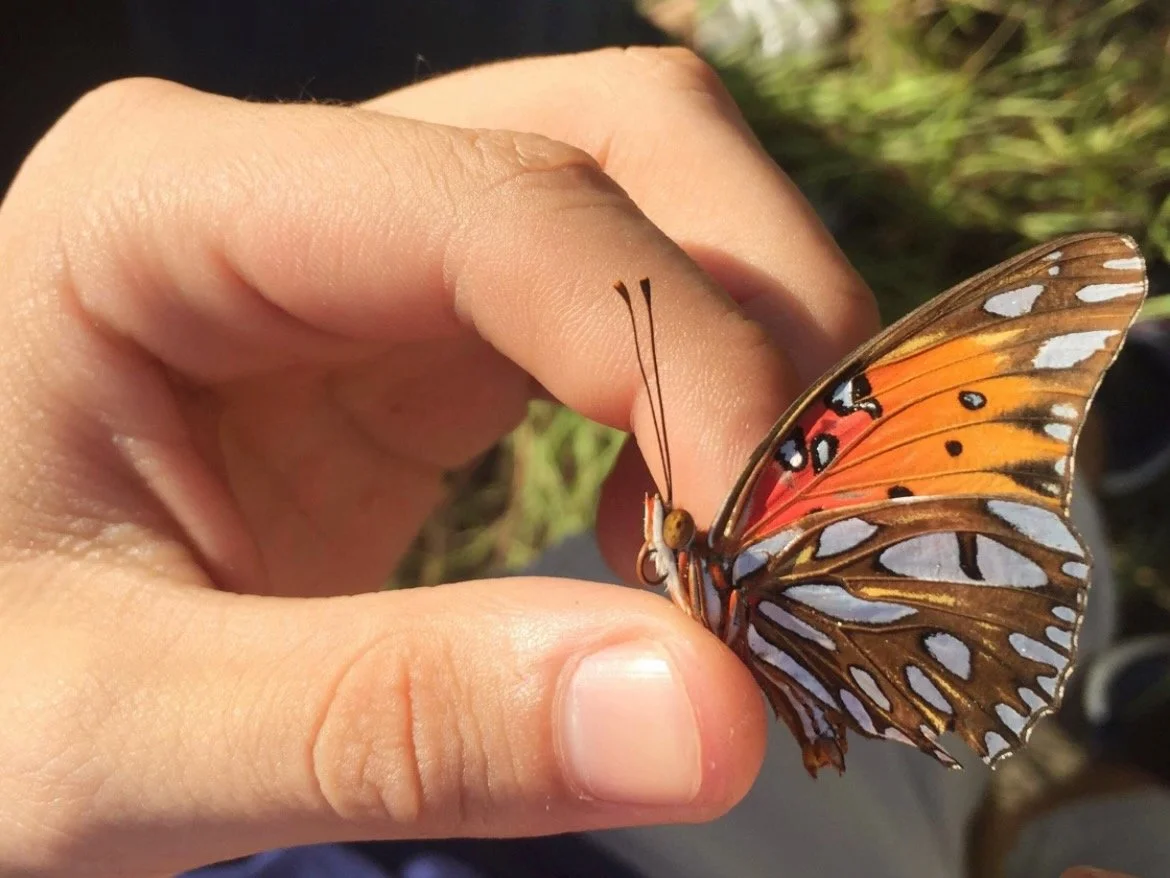
Recognizing that gap changed everything for me. It became clear that societal demand for environmental literacy was surging, and I knew instinctively that I needed to commit my life to this field. My true passion settled precisely at that intersection: bridging institutional science to the local community. I realized I could use environmental education as the vehicle to make it happen.
That first summer, amidst the crushing Texas heat, I organized my very first bioblitz. Years later, after packing up my life and moving to Cincinnati, I found myself looking for those familiar ecological heartbeats in a brand-new landscape. In the summer of 2022, I found it in Mt. Airy Forest, leading a Green Team through the gritty, exhausting work of clearing out aggressive invasive species. By the fall of 2025, that momentum brought me to the CGC for my third bioblitz.
When I studied Environmental Biology, academia taught us the structural frameworks of documenting the natural world. We were trained to count the birds, chart the insects, and catalog the plants. We would roll up our sleeves, don our wide-brimmed hats, and lug heavy PVC quadrats into the field to mathematically calculate the percentage of plant coverage over the land. Growing up in the sweeping Texas prairies, my early relationship with nature was framed by a unique, rugged tapestry: brisket, sea turtles, venomous snakes, and the chaotic arrival of hurricanes that would inevitably flatten our research sites and set our fieldwork back by weeks.
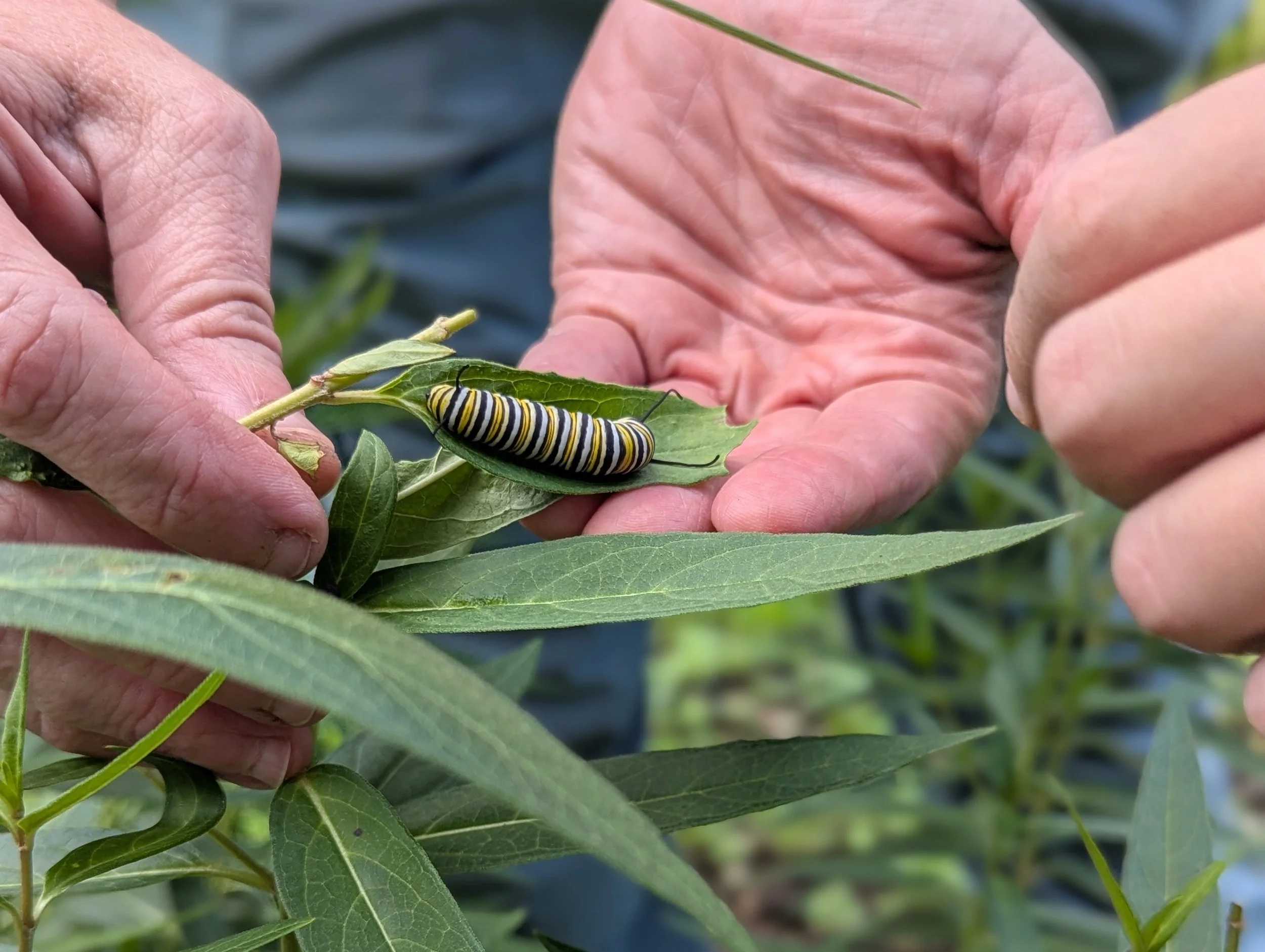
Yet it was through those exact disruptions that I built a profound relationship with the concept of ecological restoration. I saw firsthand how planting native species acted as a literal anchor, healing the scarred land after environmental disasters and creating a lifeline for both wildlife and human communities. Sadly, because I grew up in the shadow of industrial refineries, I also saw how deeply anthropogenic forces have fractured this natural balance. Those early lessons fueled my lifelong mission: to equip people of all ages with the exact knowledge and physical tools required to protect our threatened natural spaces. I learned how to run comprehensive surveys for plants, sea turtles, birds, and pollinators, and I have dedicated my career to teaching everyday citizens how to do the exact same.
Here, I get to spend my days teaching community members about native flora, local insects, and the intricate, delicate relationships that bridge them. After 15 years in conservation work, I am continually humbled and deeply moved by how much our local volunteers care—showing up week after week, putting their personal lives on pause to photograph and preserve these critical observations.
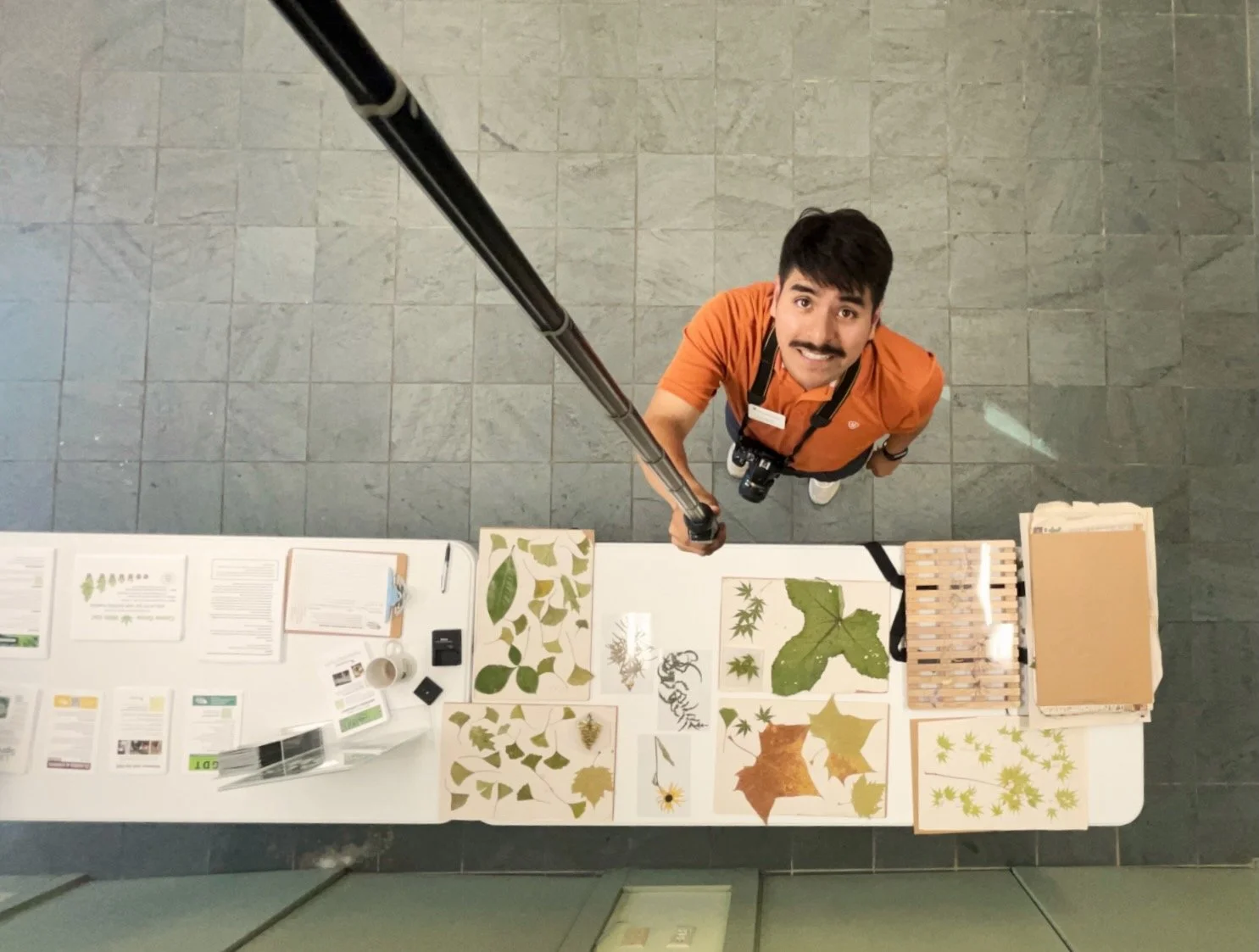
The reason it is so absolutely vital to document natural spaces as community scientists is simple: We are the ones who witness this world changing day in and day out. Professional institutions cannot be everywhere at once. It is locals who live in these environments, notice the subtle shifts, and report what is happening. The data we collect and the observations we document are uploaded directly into the hands of scientists, who then use our everyday numbers to track sweeping environmental trends and build sophisticated, global research.
Issues like pollution and habitat loss are massive, daunting problems. But right here in Ohio, we are lucky to have an incredibly dedicated team of people monitoring the health of the Ohio River and our local urban forests. Even complex migratory insects rely on the safety of our regional corridors to survive their massive journeys. To directly support this vital, regional survival network, I have begun documenting our local flora for our very own CGC Community Herbarium.
Many of us share a fierce, burning passion for this planet, but we do not always know how or where to channel that energy. By counting living things, indexing specimens, and physically documenting our surroundings, I find that our collective environmental impact suddenly becomes tangible. You can preach to someone all day about the theoretical "goodness" of conservation work, but true, lasting connection requires something else entirely. We need proof. We need to see the data—and frankly, we need to get our hands dirty.
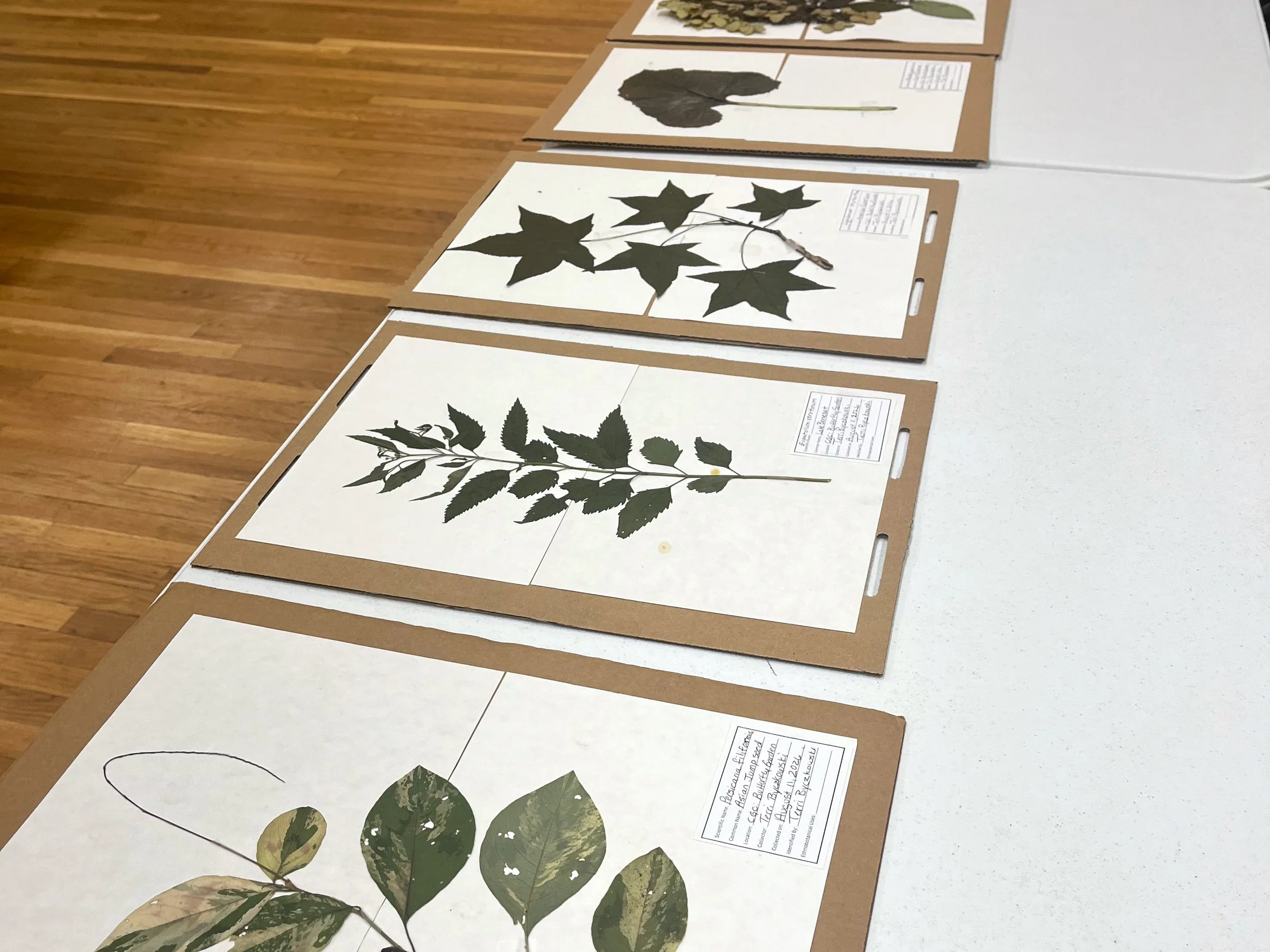
This is exactly how I welcome you into our Herbarium project. Many of our regular CGC volunteers are already building an incredibly deep understanding of plant identification and transforming that knowledge into real-world advocacy for our native ecosystems. I truly hope this project opens your eyes to the magic of the data right beneath our feet. I am incredibly proud to serve as your guide, your collaborator, and your bridge to this essential, hands-on work.