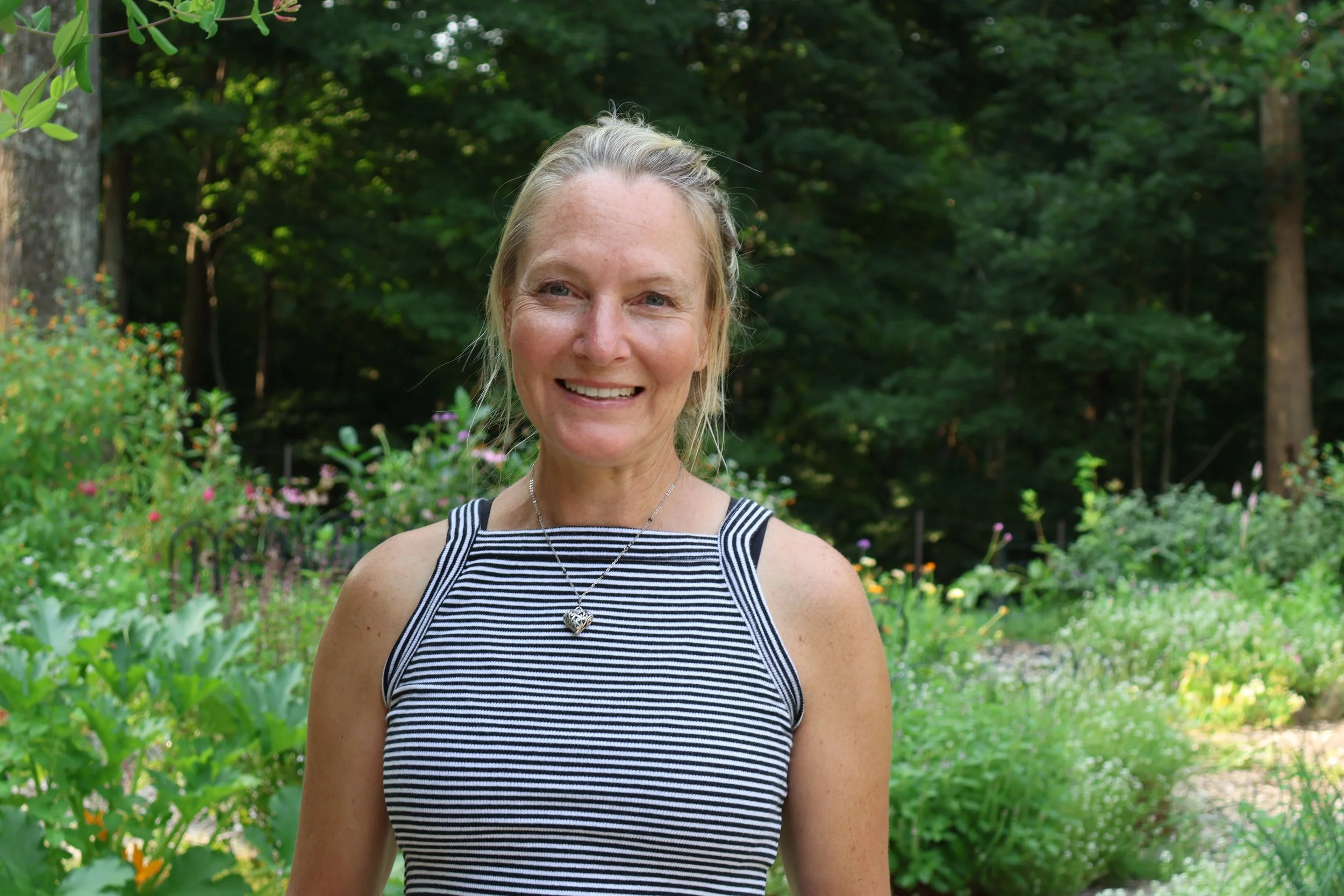
By Amy Stross, CGDT Graduate
The year was 2007, and I had just quit my job. Teaching high school kids, it turns out, wasn’t in my wheelhouse. But I didn’t have a backup plan, and I felt lost and worried about my future. So I signed up for a gardening class at the Civic Garden Center (CGC), hoping time in the dirt would help me find my footing.
I don’t remember what the class was, but I do remember the feeling of belonging—being around others who derive joy from nurturing the earth and caring for plants. At some point, I discovered a bulletin board in the hallway with job postings. One of them read something like, "We weed gardens, clip bushes, and trim trees. Join a woman-led team tidying yards and planting flowers, herb gardens, and useful landscapes."
Sharon Rosberg, a lifelong fan of the CGC, had put up a help-wanted sign for her business, Cool Blue Garden. While I continued taking classes at the CGC, I joined Sharon’s team and thoroughly enjoyed the camaraderie and hard work of transforming landscapes. I was in awe that she seemed to know the Latin name of every plant!
I had officially caught the gardening bug. I joined the CGC’s Community Garden Development Training (now known as the Civic Gardener Development Training, or CGDT), a 12-week certification course that taught me the ins and outs of initiating and maintaining a community garden in my own neighborhood. I started Hillside Community Garden at Mount St. Joseph University and led the program for five years.
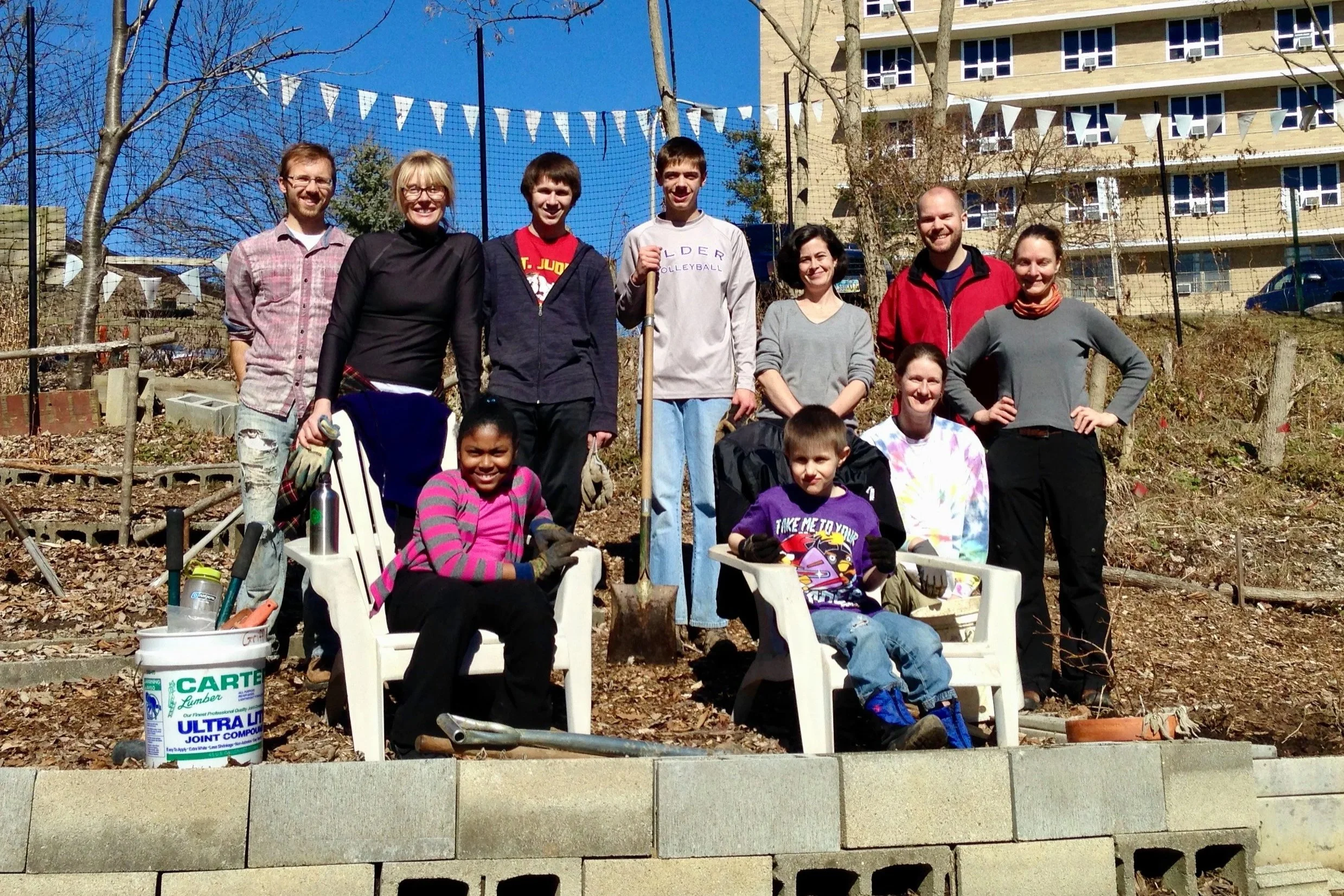
The CGDT course was transformative, teaching me the practical and interpersonal skills needed to run a community garden program and giving me confidence to advocate for land restoration and backyard gardens in the Delhi area as well as the classrooms of Mount St. Joe. It was truly a labor of love.
What I learned at the CGC and applied in the community garden eventually made its way to my own 0.10-acre suburban home. As I transformed my front and back yards into edible landscapes, I wrote about them on my blog, Tenth Acre Farm.
In 2013, my husband, Vince, and I hosted a CGC-sponsored tour of our home site called "The Permaculture Yard Class," which highlighted the annual and perennial crops we grew, the water systems that supported them, and how the plantings created habitat for beneficial insects, birds, pollinators, amphibians, and reptiles. In 2018, I released my award-winning book, The Suburban Micro-Farm: Modern Solutions for Busy People (Chelsea Green). I still find it hard to think of myself as an author because that certainly wasn't my goal back in 2007 when I came to the CGC.
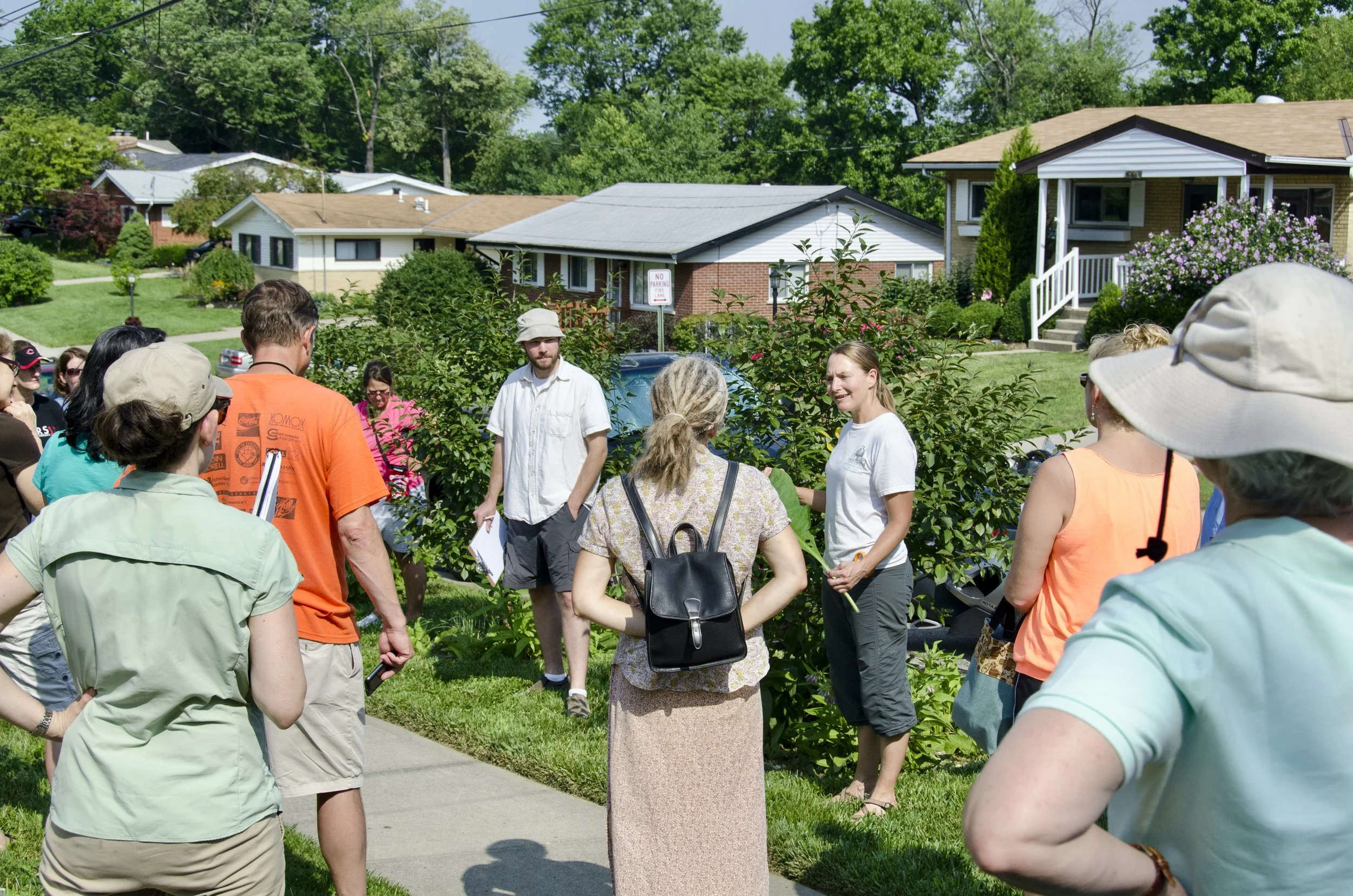
photo credit: Ken Stigler Photography
Often, the best way through challenging times is to be outside, with hands in the dirt, sunshine on your face, tending the beautiful gardens and landscapes of the Ohio River Valley we get to call home. I made it through an uncertain time in my life because the CGC exists, and it instilled in me a passion and confidence to take action in my community.
Several years ago, I started a program in my Milford, Ohio, community called Milford Gardeners for Good—a collective of backyard gardeners that meets once a week, spring through fall, to pool excess produce and donate it to local food pantries. We’re up to about 1,000 pounds of produce donated in 2026! We like to say that you don’t need to grow a lot to give a little.
Sometimes, you don’t get to know the full breadth of your work’s impact. But I know the CGC played a crucial role in my story, and I’m deeply grateful. My second book, The Edible Shade Garden (Timber Press), will be released in March 2027.
Interested in our free Civic Gardener Development Program (CGDT)? Registration is open! Learn more and submit your application here.