The CUF Restoration Project
Sometimes kismet—that serendipitous sense that something unexpected, positive, and meaningful was meant to happen—is real. The CGC has the incredible opportunity to showcase everything we do in one offsite location. Here’s how it came to be.
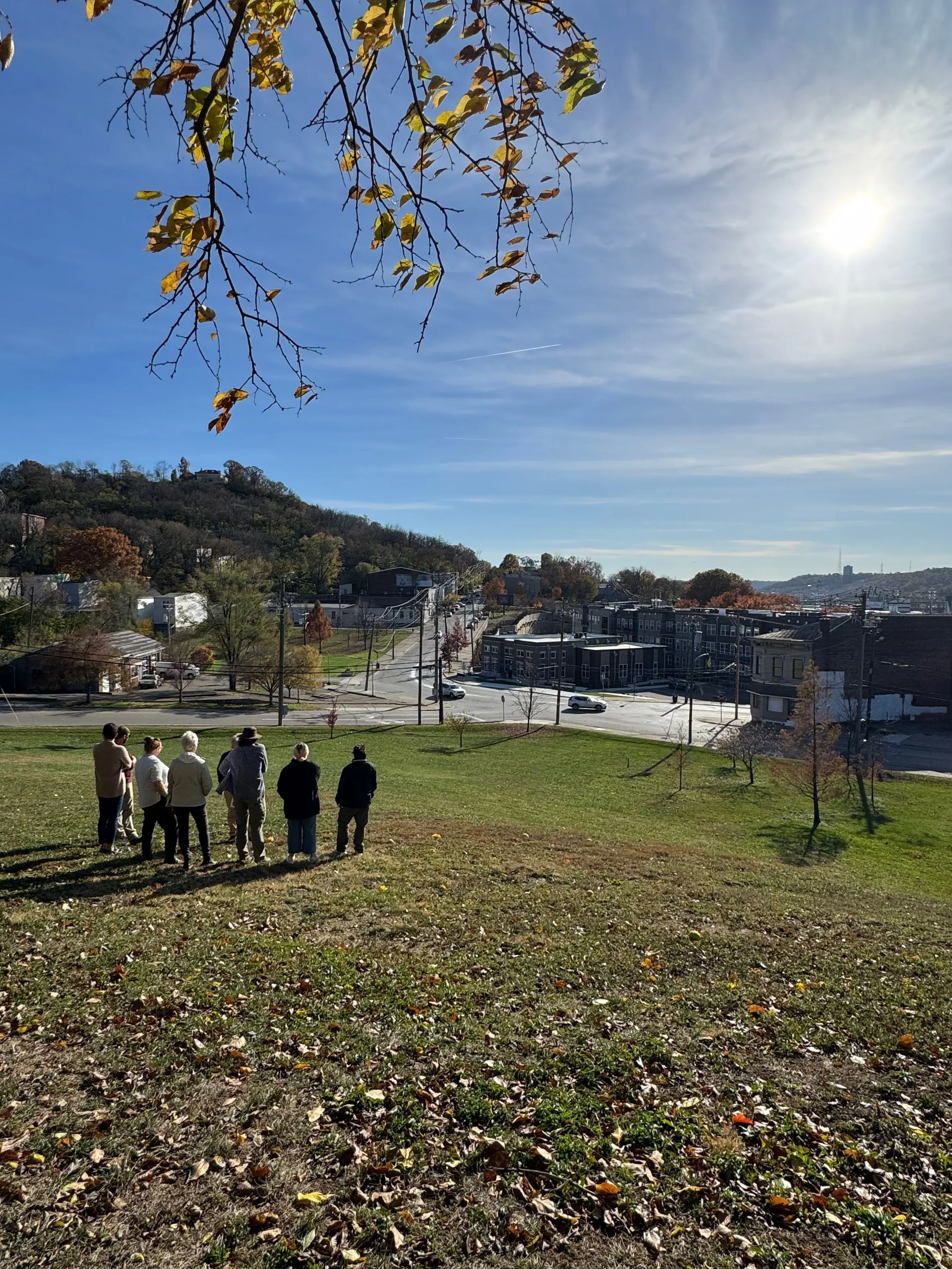
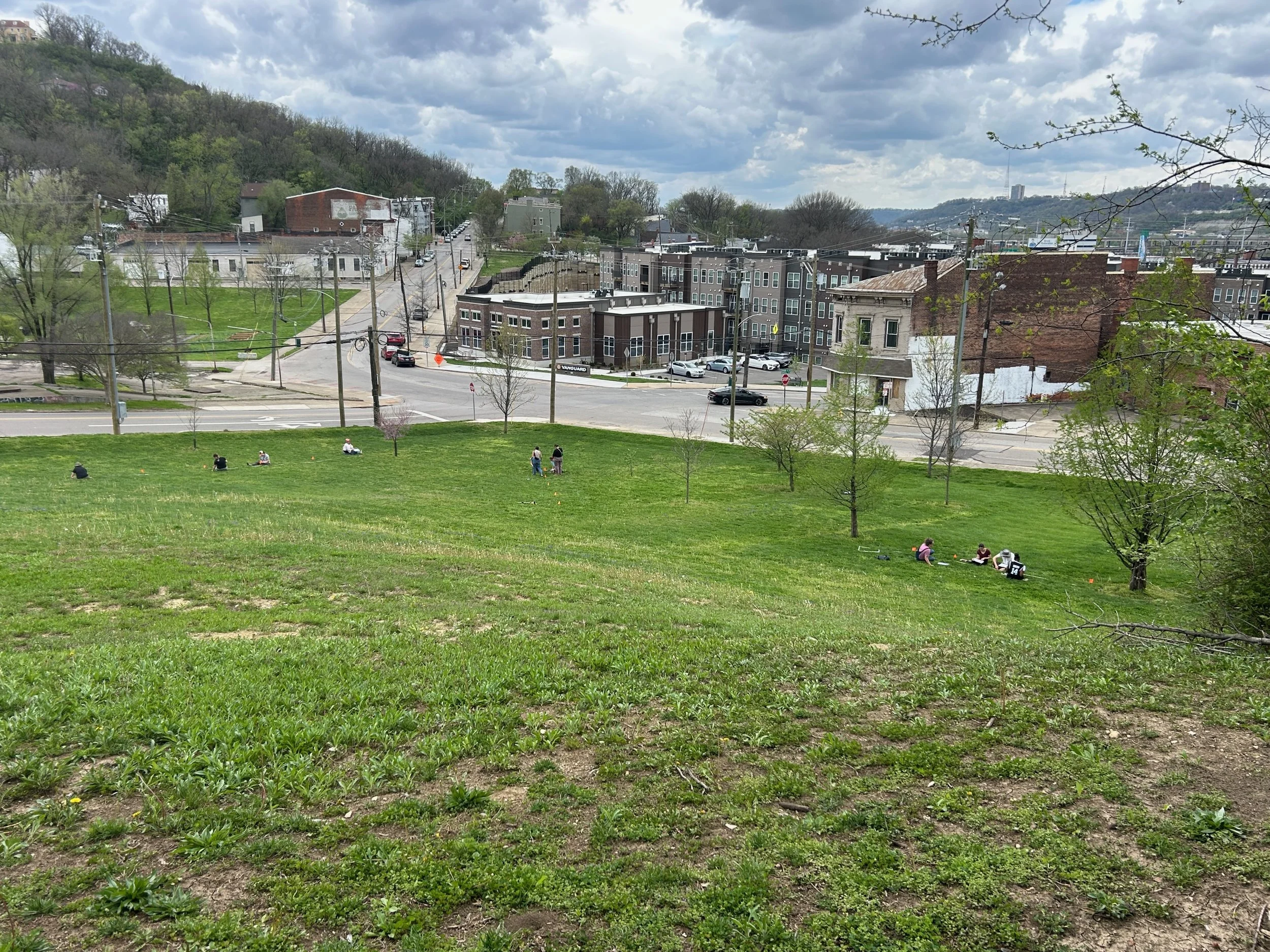
In August of 2024, Tony and Keke Sansalone reached out with a generous offer to donate some property they owned in the city’s CUF neighborhood to the CGC. They wanted to see the land be used for gardens and urban greenspace. We shared in their vision for the land, but owning property has never been part of our mission. Luckily, we were already engaged with Cardinal Land Conservancy, an organization whose core mission is protecting natural spaces and working with landowners on land protection options. We connected the Sansalones with Cardinal and expressed our keen interest in working together to restore the 10-acre site. (You can read the whole story, written by Tony Sansalone, below.)
The rest, as they say, is history—or at least it will be, made together over the next several years!
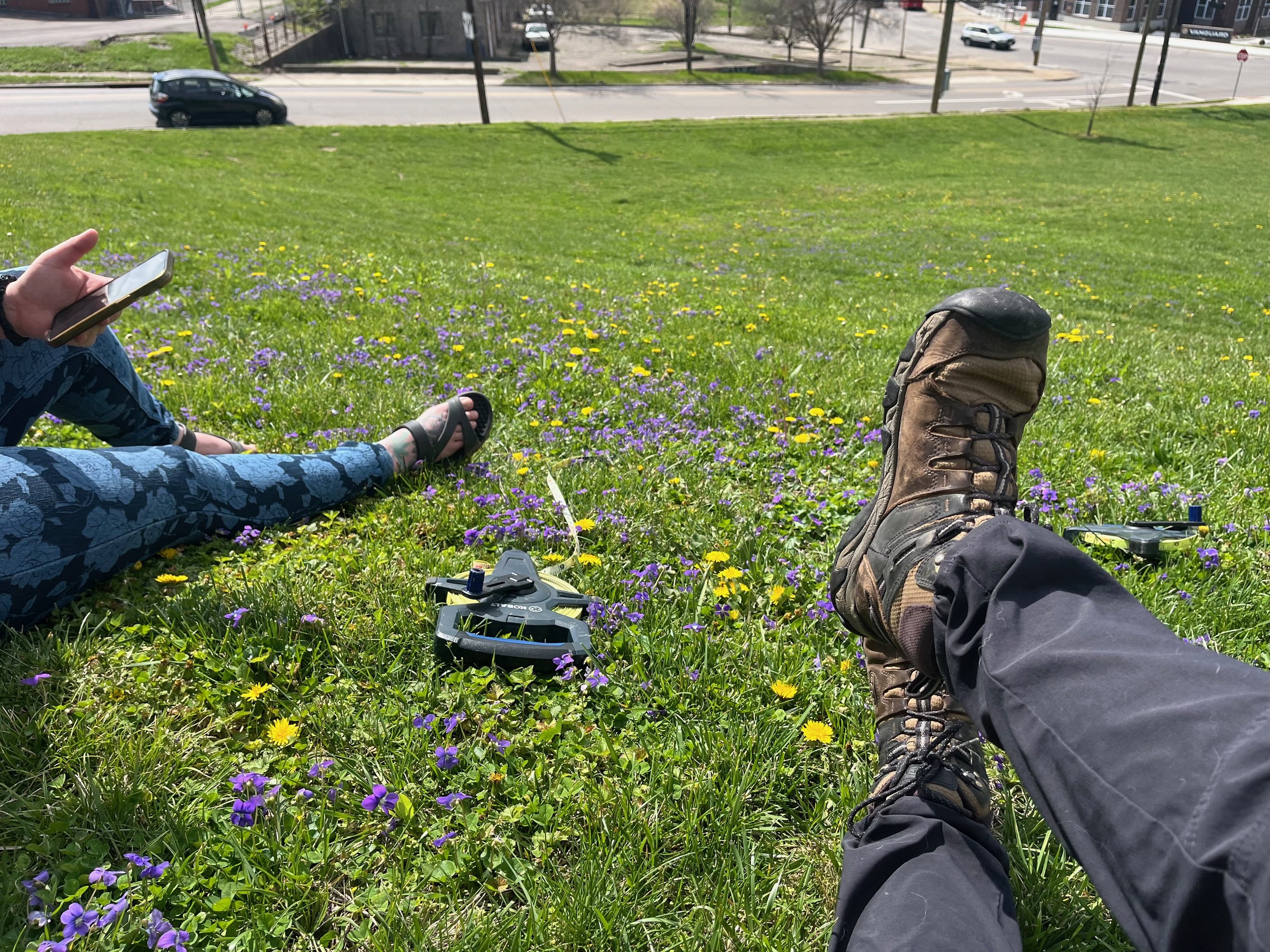
Our Role
The CGC’s role in the CUF Restoration Project is to:
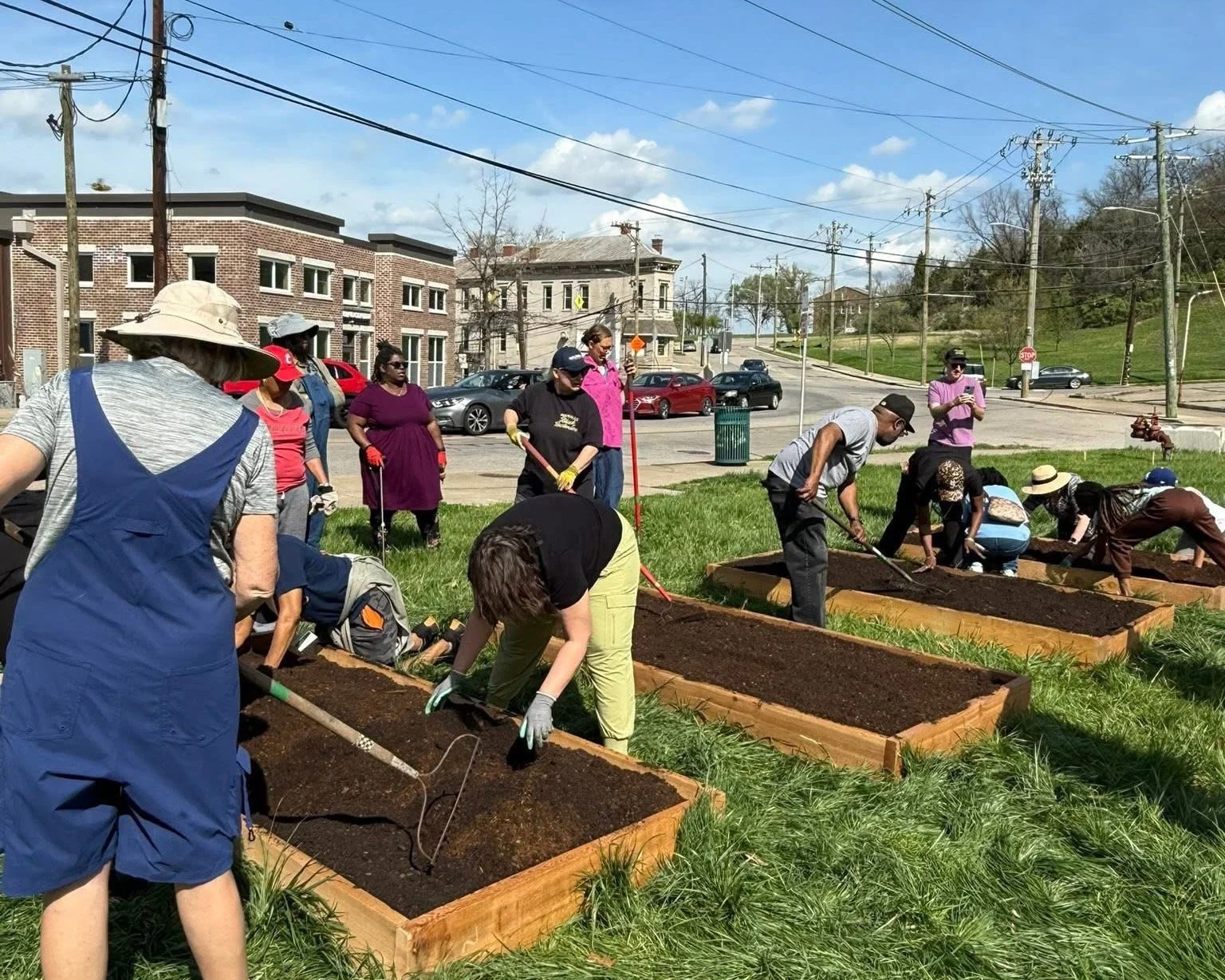
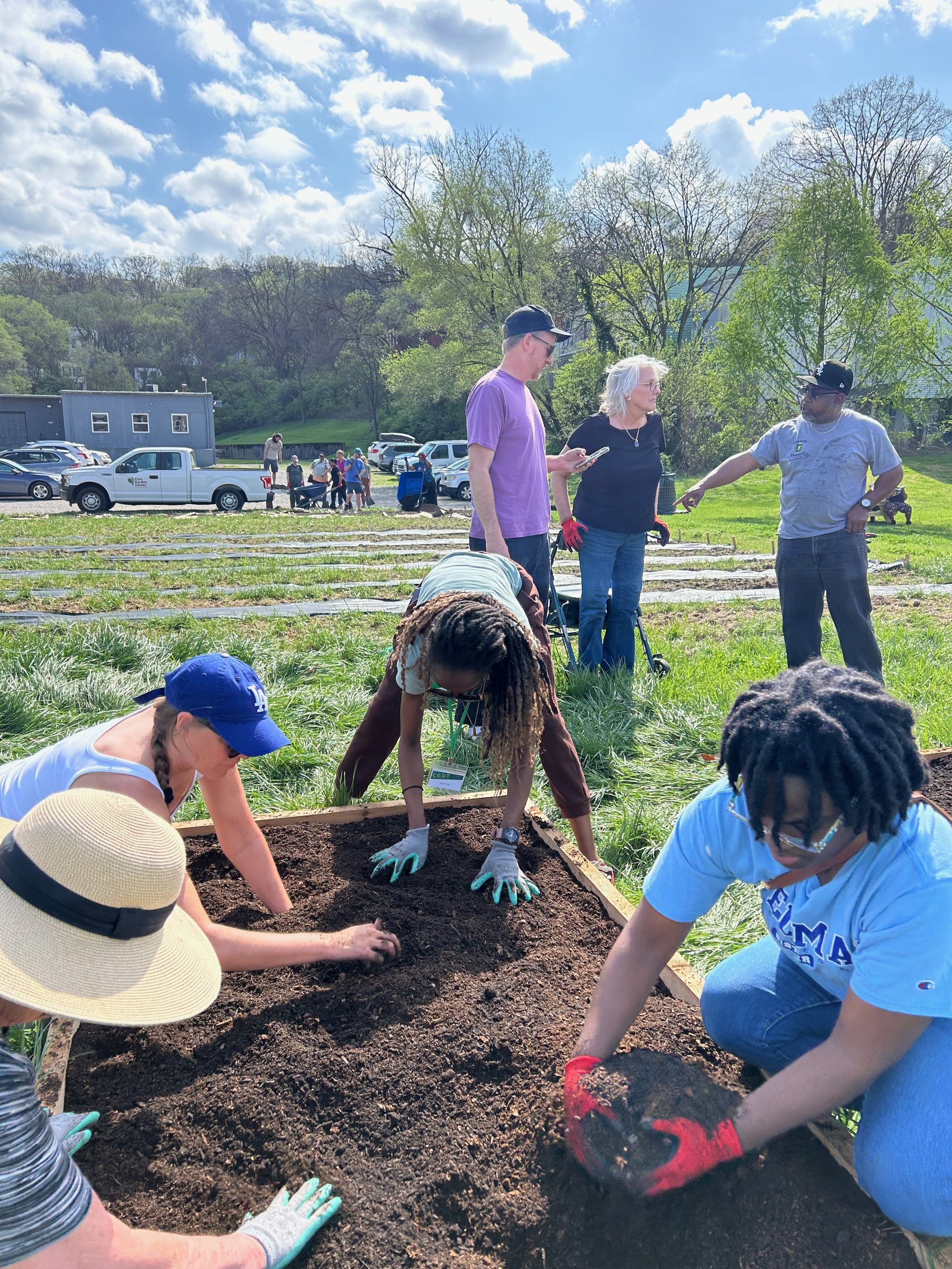
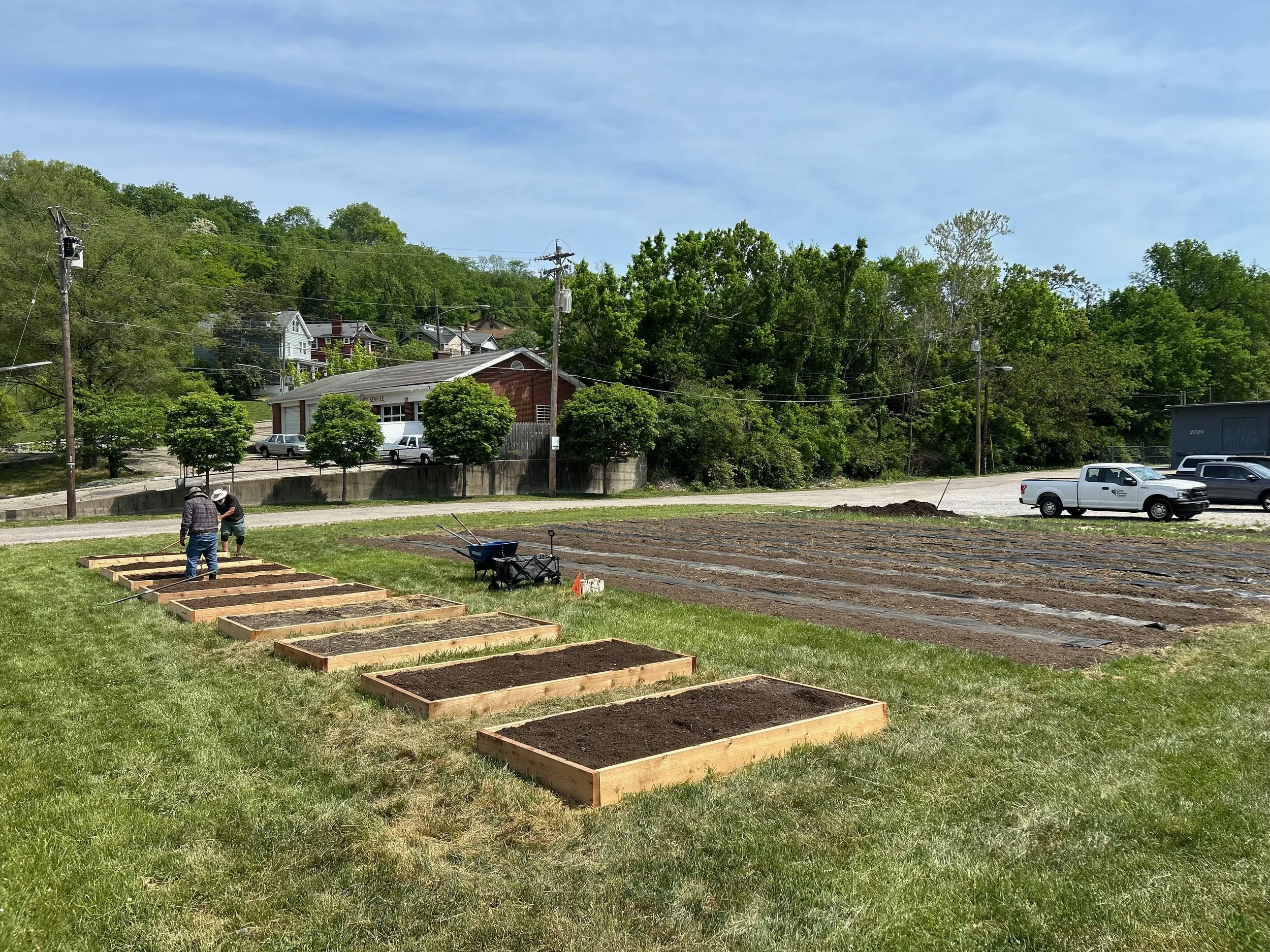
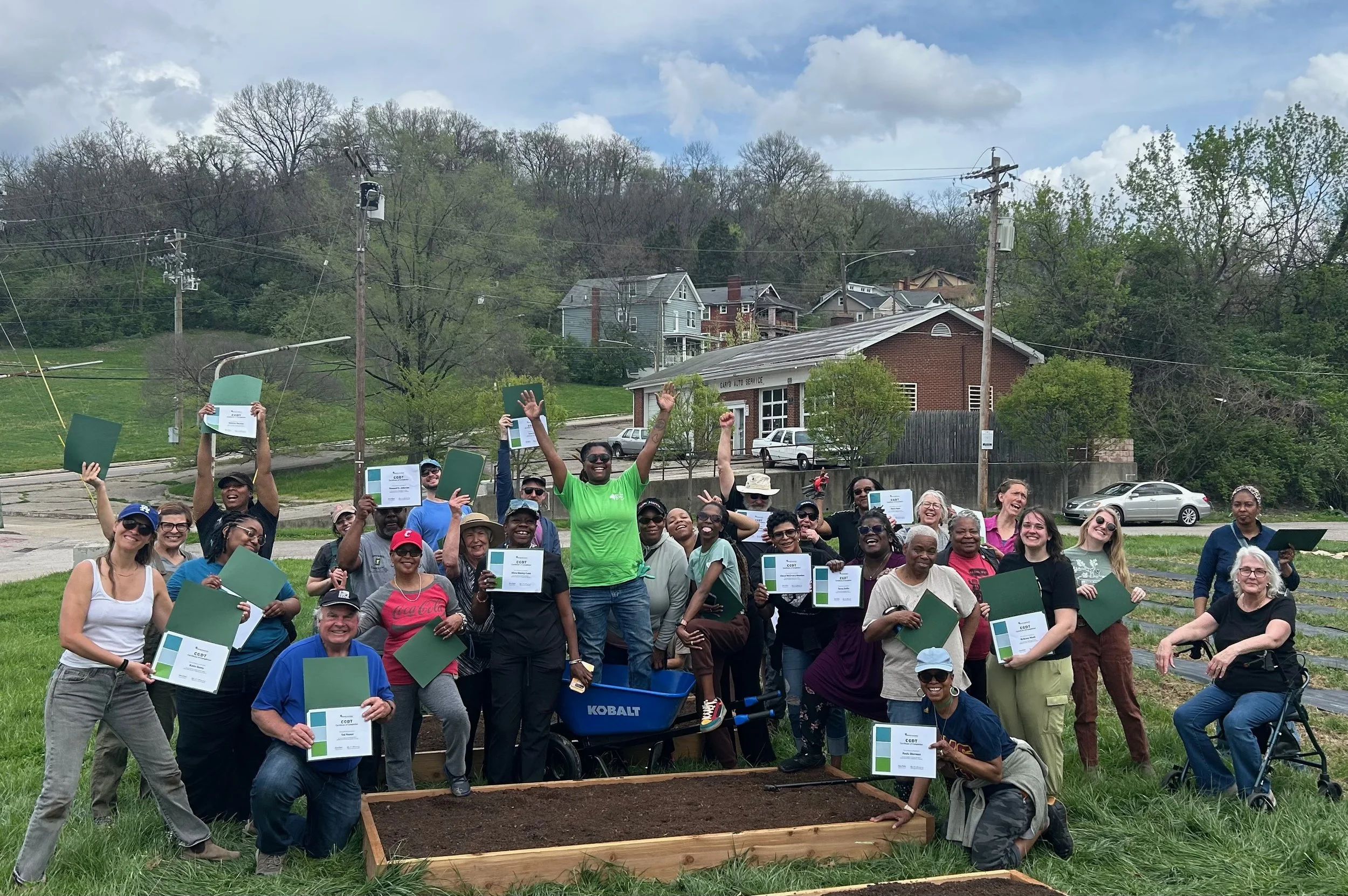
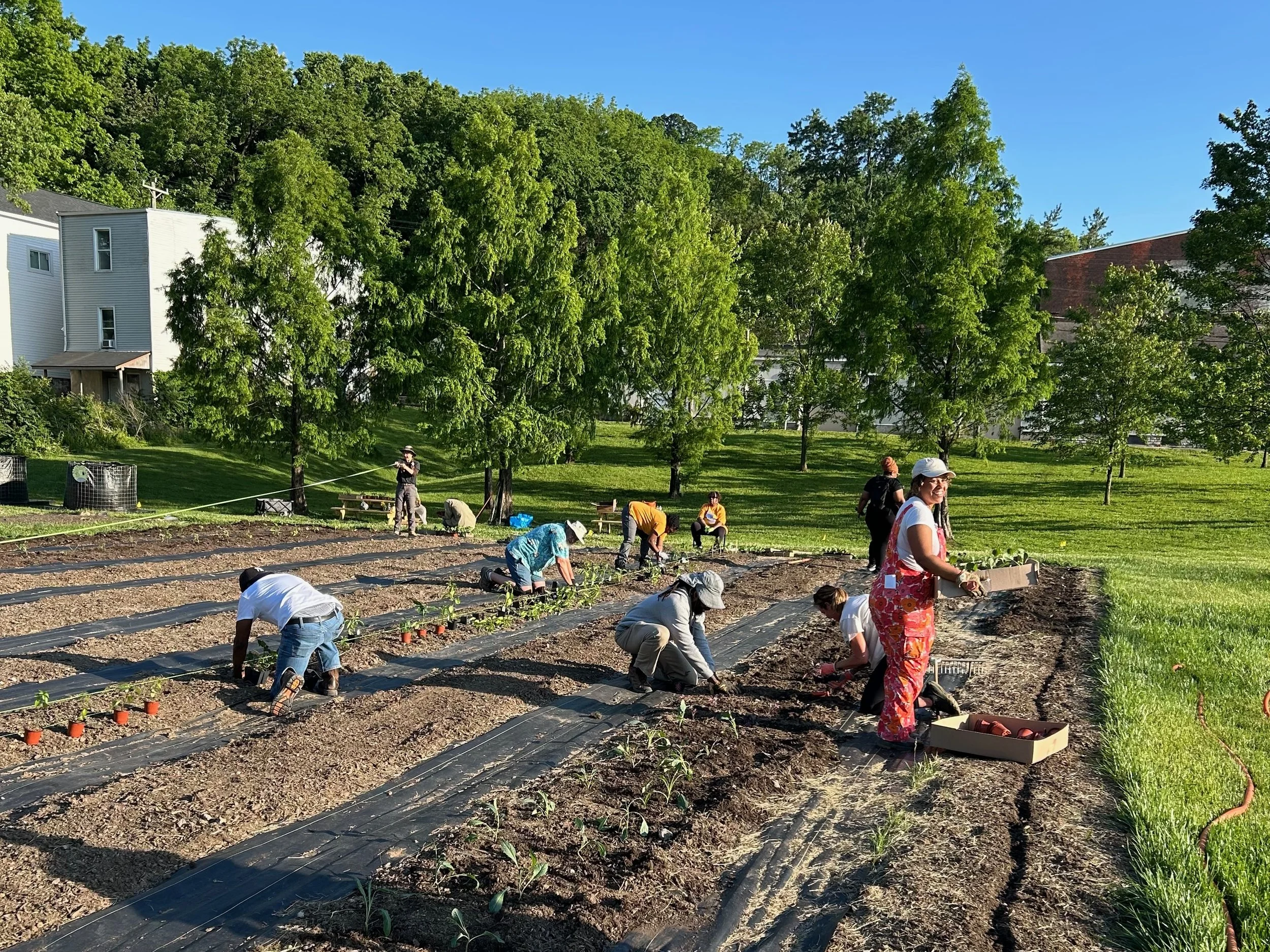
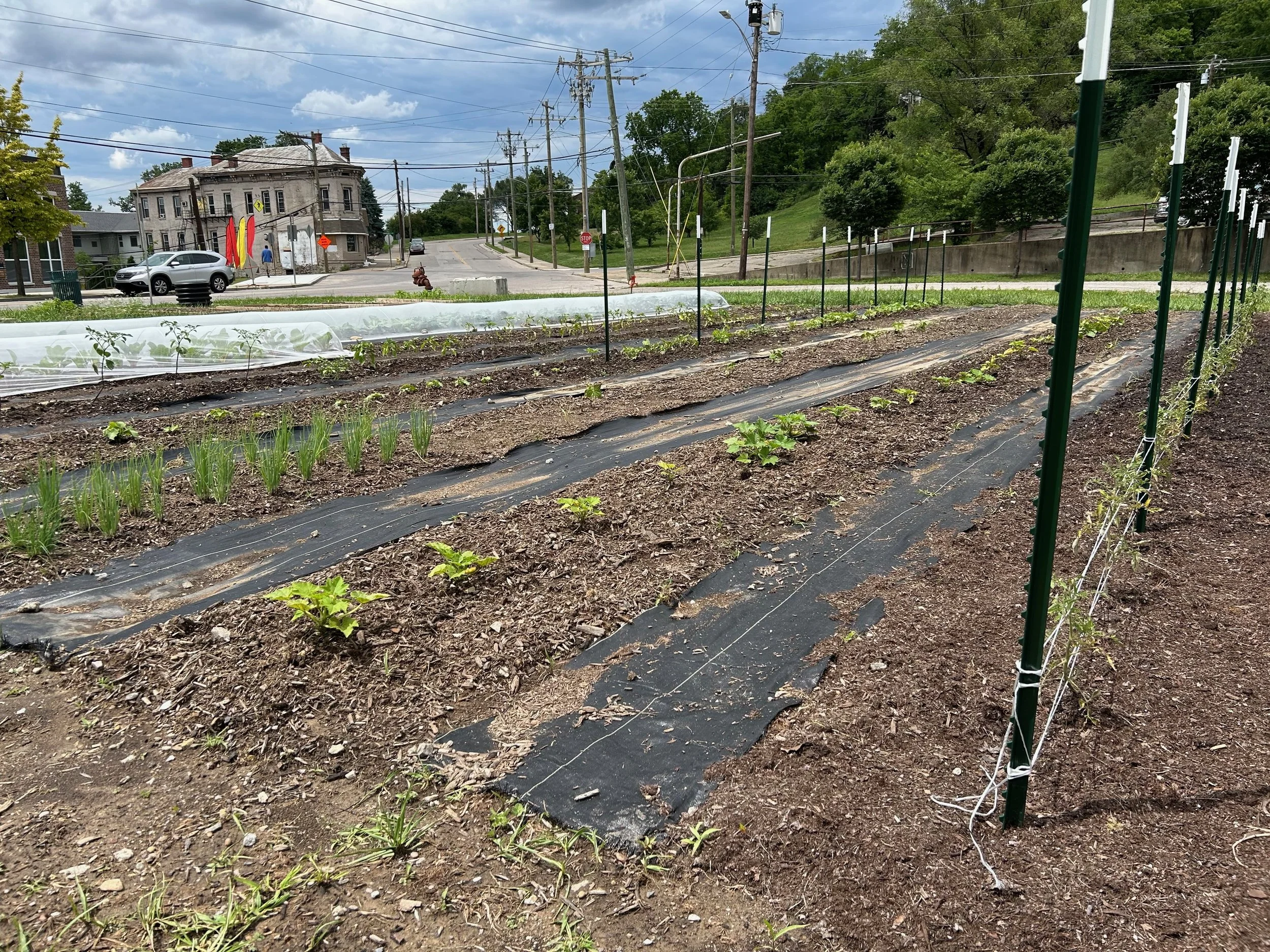
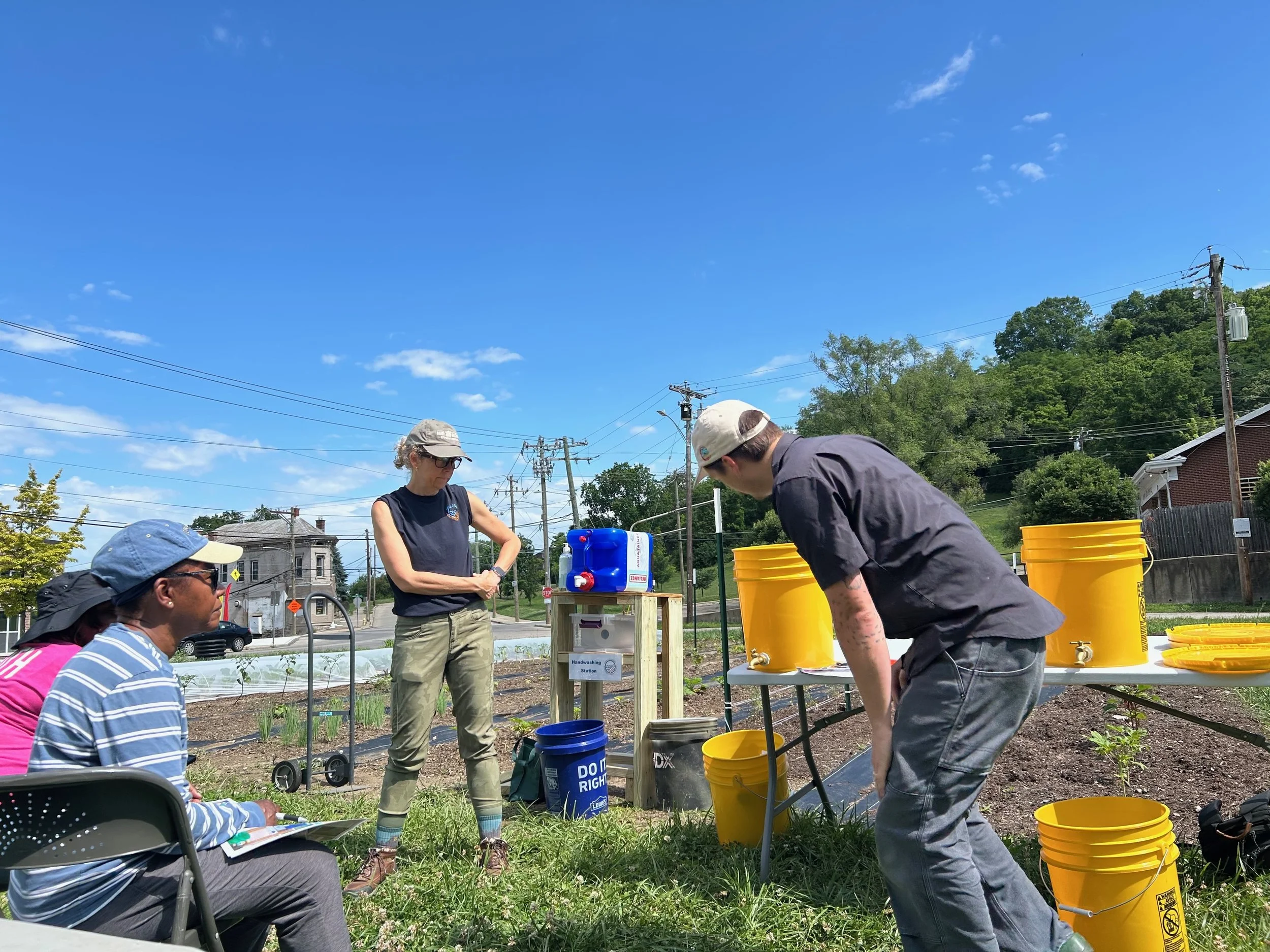
Expand our Market Garden Training program in partnership with Central State University. We’ll provide training and growing space at the site for people interested in earning revenue by selling fresh produce or a value-added product.
Propagate native plants original to this site, as documented by Thomas G. Lea in a land survey he conducted from 1834-1844 and by Dr. E. Lucy Braun a century later in 1934, when she retraced Lea's steps.
Install thousands of native plants, shrubs, and trees.
Create a wetland zone, a food forest, and walking trails that offer a view of the city to the south and west.
Incorporate educational signage throughout the space.
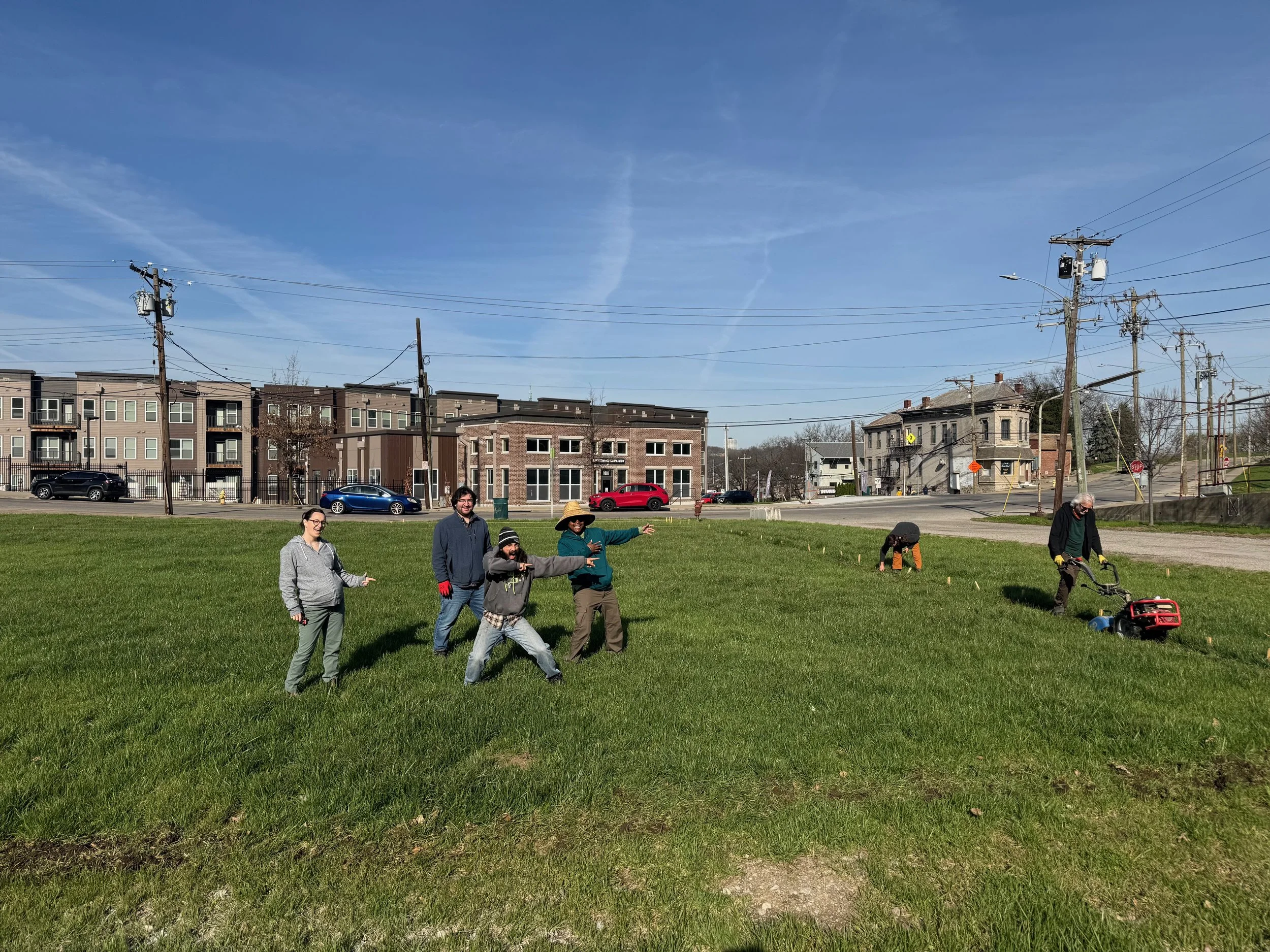
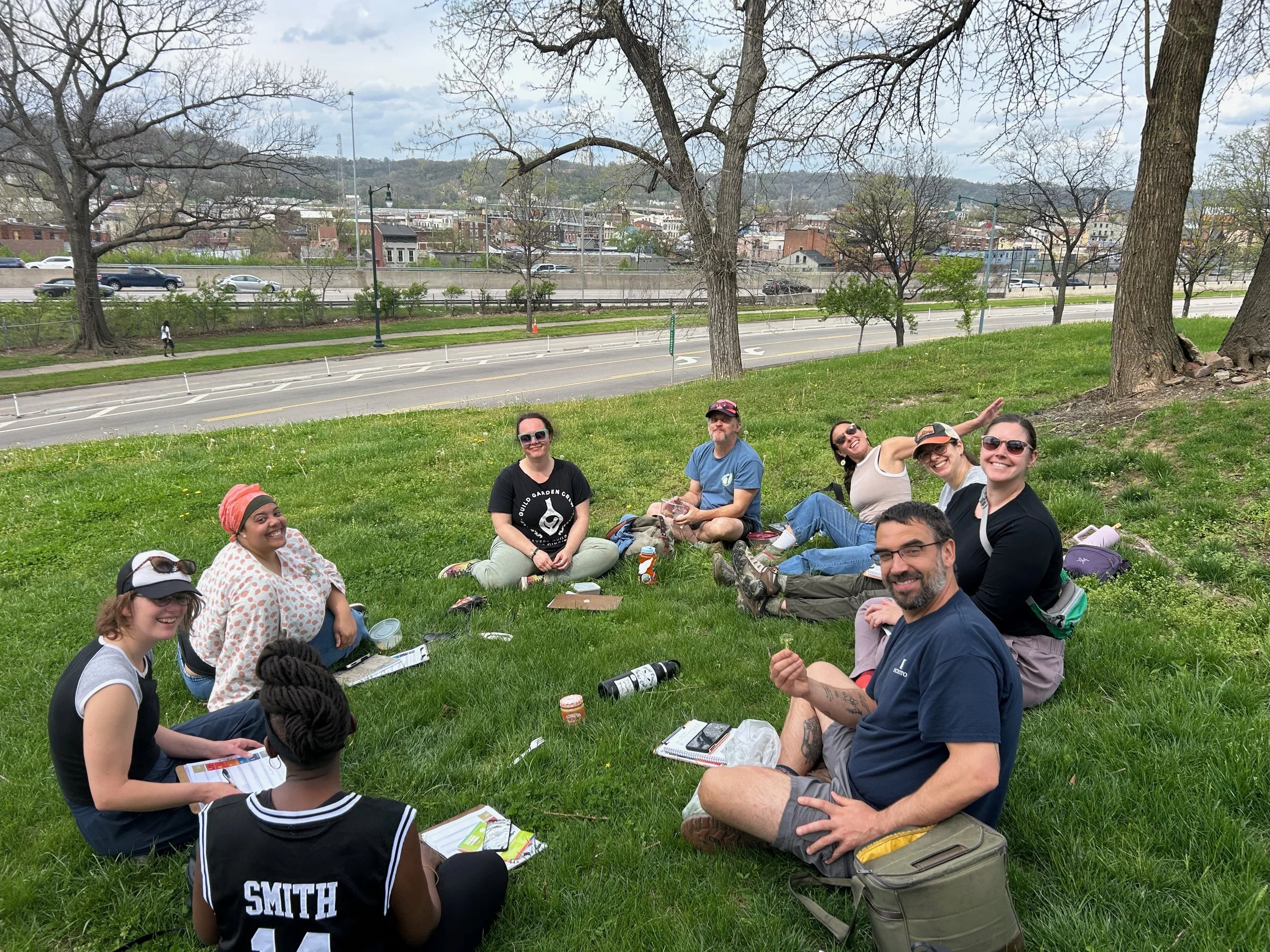
Engage hundreds of students and adult volunteers in every step of the restoration process—from naming the project to building out the market garden site to propagating plants and maintaining the land.
Our goal is for this collaboration to provide a model for similar restoration projects in the future. As Cardinal acquires more urban land, we’ll work together to identify the best uses for these greenspaces, continuously involving students and volunteers in the restoration and maintenance process. We’re thrilled to maximize the CGC’s impact and transform the CUF neighborhood through this legacy-scale project!
Want to get involved?
To learn more or support the project financially, reach out to Karen at kkahle@civicgardencenter.org. If you’re interested in volunteering at the site, register as a CGC volunteer and we’ll let you know when workdays are scheduled!
A Legacy of Generosity
By Tony Sansalone, June 2026
When people see the Werk Road project or the larger vision that has grown from it, they may assume it started with a land donation or a development idea. But for me, the roots go back much further—to a lesson in generosity that I witnessed long before I understood its significance.
I was seven years old when my sister Angie was born in 1967. I tagged along with my father, John R. Sansalone, whenever I could, so I was with him when he picked the newborn Angie up from the hospital. My mother had not yet been discharged, and infant car seats didn’t exist yet, so we put baby Angie in a wooden fruit-and-vegetable crate and tied it to the floor of the family Jeep. After dropping the baby off at home with my older siblings, my father and I went meet my maternal grandfather (and my namesake), Anthony Lawrence Beck, at the Frisch’s on Central Parkway. I had no idea how important that meeting would become in my life.
Tony Beck was a fruit and vegetable dealer. He had a storefront on Clifton Avenue and a stand at Findlay Market. Quiet and understated, he was a true gentleman. He knew nearly everyone and everything in Clifton, was a shareholder in Clifton Heights Building and Loan, and had an exceptional understanding of the neighborhood and its properties.
At the time, my father was running a small engineering company from an office on Glenway Avenue. My grandfather had a big vision for my dad and his business. He believed that if my father wanted to grow his engineering business, he needed to move closer to the center of the city. Beck knew of an available property at the corner of Marshall and Central Parkway that had once been a residence, but the owner had died and the property was available through another local savings and loan.
My grandfather didn’t just point out the opportunity. He connected my father to Dick Bucher, an accountant who served on the board of the savings and loan involved in the transaction. My father protested: "I don't have any money," he told him. "I have seven mouths to feed." Beck pushed an envelope full of cash across the table. His wife, my grandmother, had passed away, and he said he had savings that he said he no longer needed. "You can't afford not to move,” he told my father. “The growth of the city is going north. You need to be centrally located." Then he offered something even more valuable than money: his support. He told my father he would help him and that he wouldn't be far away.
My father accepted the cash and bought the building. That decision changed everything.
Being centrally located opened doors that would never have opened otherwise. My father developed relationships and opportunities that transformed his business, eventually securing engineering work for Eagle Savings and Loan, the major developer of the City of Montgomery.
Looking back, I can see that my family's future was shaped by an act of generosity from someone—my grandfather—who expected nothing in return. But what made Tony Beck special wasn't just that one act. Every Saturday evening, he would quietly load up whatever fruits and vegetables remained unsold from his store or from Findlay Market and deliver them via horse-drawn wagon to the local churches—St. John, St. George, St. Monica. He didn't want food to go to waste. He wanted to help his neighbors. And most importantly, he wanted to do it without embarrassing anyone who might need help. There was no publicity, recognition, or credit. Just kindness.
As I've reflected on my life, I've come to realize that I, along with all of my siblings, am a generational beneficiary of Tony Beck's character and generosity. Much of what my family has been able to accomplish traces back to a man who chose generosity over self-interest. Not only did my father thrive at the office, my uncle (also an engineer) and many siblings and cousins launched their careers from that corner—including my little sister Angie, who became an architect.
I've always felt a responsibility to honor that example, and as it turned out, I wasn’t the only one who was inspired by Tony Beck. My wife Keke was very close to both of my parents. She especially loved my mother’s stories of her father Tony, and she appreciated the impact he had on our family. And that’s where the Civic Garden Center (CGC) enters the story.
Several years ago, I sold one of our developments on the west side. Adjacent to it was a vacant piece of land that I also owned. My instinct was simple: build another building. But Keke had a different idea. She challenged me to think beyond the next project and myself to consider what might create greater value for the community. Keke has long been active in civic and community efforts, Cincinnati Parks Foundation service, active membership in the Cincinnati Women’s Club, and serving as the board chair of Bicentennial Commons and Sawyer Point. And twenty years ago, Keke started sponsoring community gardens.
Through all of that work, Keke became familiar with the CGC and met Executive Director Karen Kahle, who introduced us to Andy Dickerson and Cardinal Land Conservancy. It was through those discussions that we learned that the smartest idea would be for a true collaboration in which Cardinal would own the land and the CGC would help restore it and make it grow.
Ultimately, we donated the property at 3143 Werk Road to Cardinal, which is partnering with the CGC to create a community greenspace. The CGC brings expertise in gardening, education, and community engagement to the project, while Cardinal brings stewardship of the land. Together, we discovered that our properties could become more than a development opportunity—they can become community assets. Today, the collaboration between the CGC and Cardinal is becoming the foundation of an urban oasis, a learning center, a home for community and market gardens, a destination for environmental education, and a gathering space for organizations like Adventure Crew, the Queen City Pollinator Project, and Cardinal.
What excites me most is that these places create opportunities that will outlive all of us. They connect people to nature. They teach children. They strengthen neighborhoods. They help communities flourish. In many ways, they embody the same values that Tony Beck lived by: Stewardship. Generosity. Helping people quietly and effectively. Investing in others without expecting anything in return.
I often think about that envelope sliding across the table and the faith Tony Beck placed in my father. He could not have known how many lives would ultimately be affected so positively by that simple act.
We never fully know where an act of generosity will lead. We never know how many people may benefit from a generous decision made today. But we do know that when we invest in our communities, when we care for the land, and when we create opportunities for others, good things grow. Tony Beck’s act of kindness inspired a legacy of generosity that continues today, and Keke and I have had the privilege of helping that legacy continue.
This is not really my story. I am simply the steward of family stories, passed down from my grandfather to my parents and to my wife, who made it possible to continue the Tony Beck legacy through her commitment to community involvement. Keke and I are proud to be part of this legacy and this work.