By Mark Bruner, Greenspace Guardian
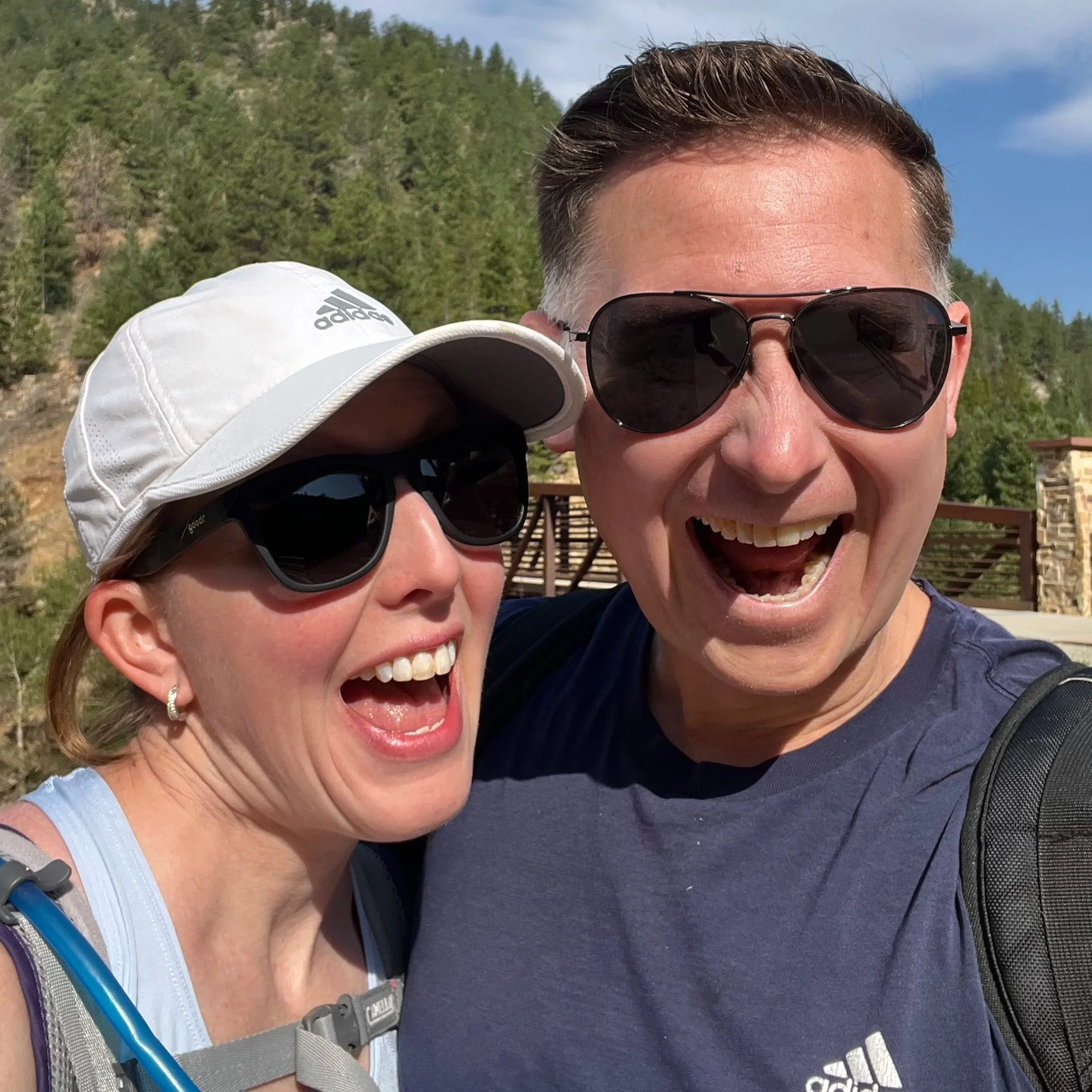
I never thought much about dirt.
We wash it off our hands, sweep it out of our homes, and rarely think about it. Growing up, I was always told, "Don't get dirty," which was pretty much impossible after a neighborhood football game. I would inevitably come home covered in dirt, much to my mother's dismay. To me, dirt wasn't worth thinking about unless you were trying to grow something.
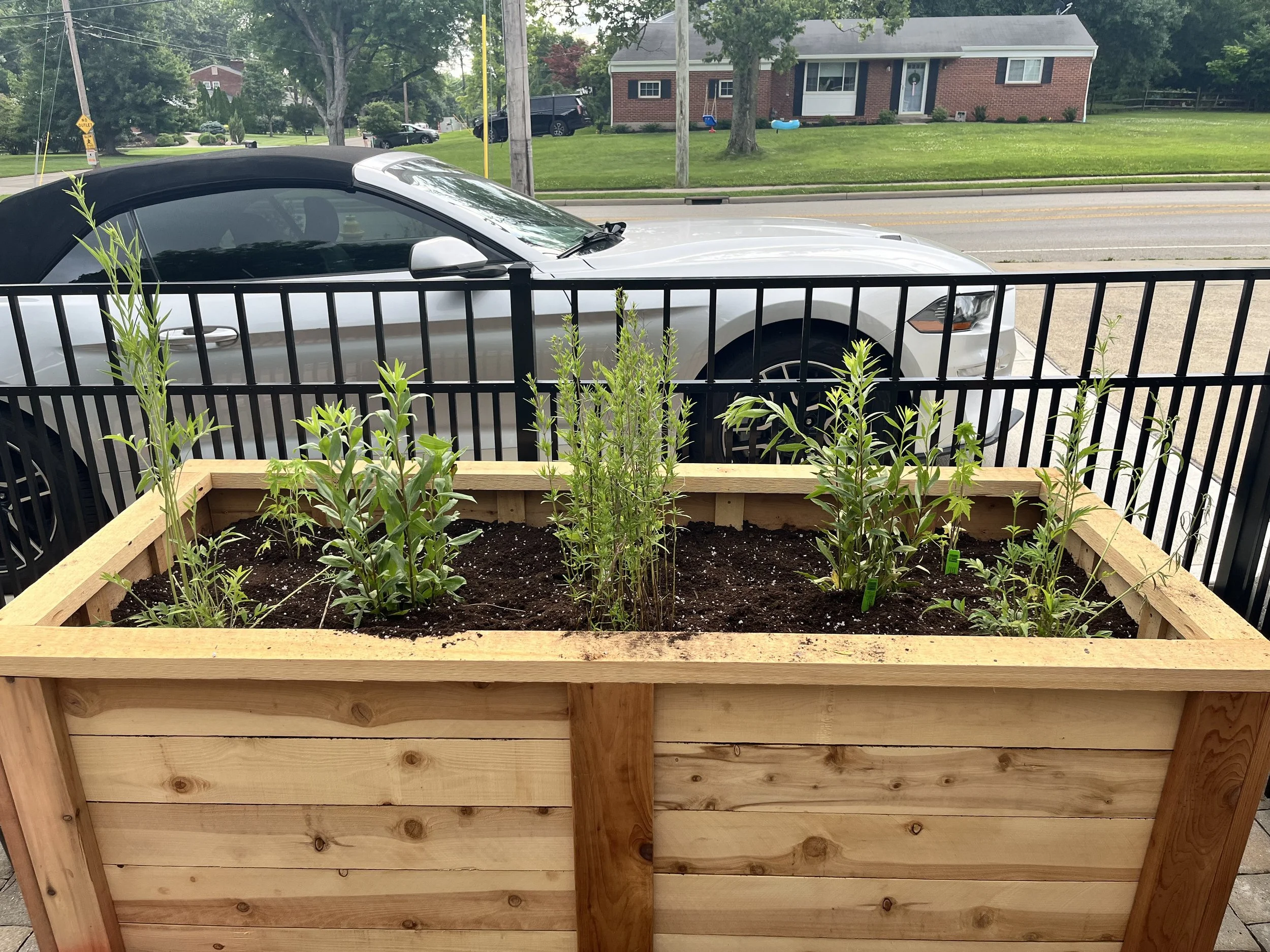
Then I watched a few documentaries about how healthy soil could help combat climate change. I wanted to do my small part, and I figured my own backyard was a good place to start. Replacing my lawn with native plants seemed like a simple enough way to help restore the soil. Little did I know that this idea would lead me to the Civic Garden Center and something much bigger than my lawn.
It was a Thursday evening when I arrived at the Civic Garden Center for a class on restoring soil with native plants. As I approached the double doors, I could already hear Mary Dudley's voice. She has such a way of making you feel welcome and included, even before you walk into the room.
As Mary taught us about the benefits of native plants and shared her own journey of turning her backyard into a prairie, I began to realize that restoration wasn't going to happen overnight. This was going to be a lifelong journey, and restoring native habitats would take years. I needed to hear that. I'm often naively optimistic, and I honestly thought I could just tear up my lawn, plant some natives, and bada boom, soil restored!
I left that evening with a slightly more realistic goal: create a garden. Just one garden.
My next class was with Misha Montgomery, who had a wonderful way of making gardening feel simple and approachable. Whether you had an entire lawn or just a balcony, she offered practical plans and creative ideas that didn't require spending a ton of money. I appreciated how she made something that initially seemed overwhelming feel achievable.
After class, I spotted a brochure for the Greenspace Guardians program that mentioned native restoration work. I remember thinking, "Wait, this is exactly what I've been looking for!" I asked Misha about the program, and she encouraged me to apply.
Over the next 10 weeks, I learned things that completely changed how I saw Cincinnati and my own impact on the environment.
One session that really stood out was about stormwater runoff. I had never given much thought to what happens when rain falls on roads, parking lots, and other surfaces that don't absorb water. Instead of soaking into the ground, that water runs off into our drainage systems. During heavy storms, parts of Cincinnati's combined sewer system can become overwhelmed, causing sewage and polluted stormwater to overflow into our waterways.
Honestly, learning that made me sad. I had never really considered how the choices I made as a homeowner could affect our rivers. Suddenly, what I did with my own little piece of land felt connected to something much bigger.
And have you ever seen a spotted lanternfly? Let me tell you, once you see one, you won't forget it! During a tour of the Civic Garden Center's property, Luis showed us the impact invasive species can have on our local environment. We also learned about wintercreeper and just how difficult it can be to remove once it takes hold. I began noticing plants and environmental challenges that I had walked past countless times without a second thought.
Another experience that stayed with me was our visit to Imago. What struck me wasn't just the greenspace itself, but the determination of a community to protect it. Without their efforts, this area might have very little tree cover. Seeing what people had accomplished together gave me hope for Cincinnati. It reminded me that community still happens and that when people come together around something they care about, they really can make a difference.
But some of the most meaningful parts of the program happened outside the structured classes.
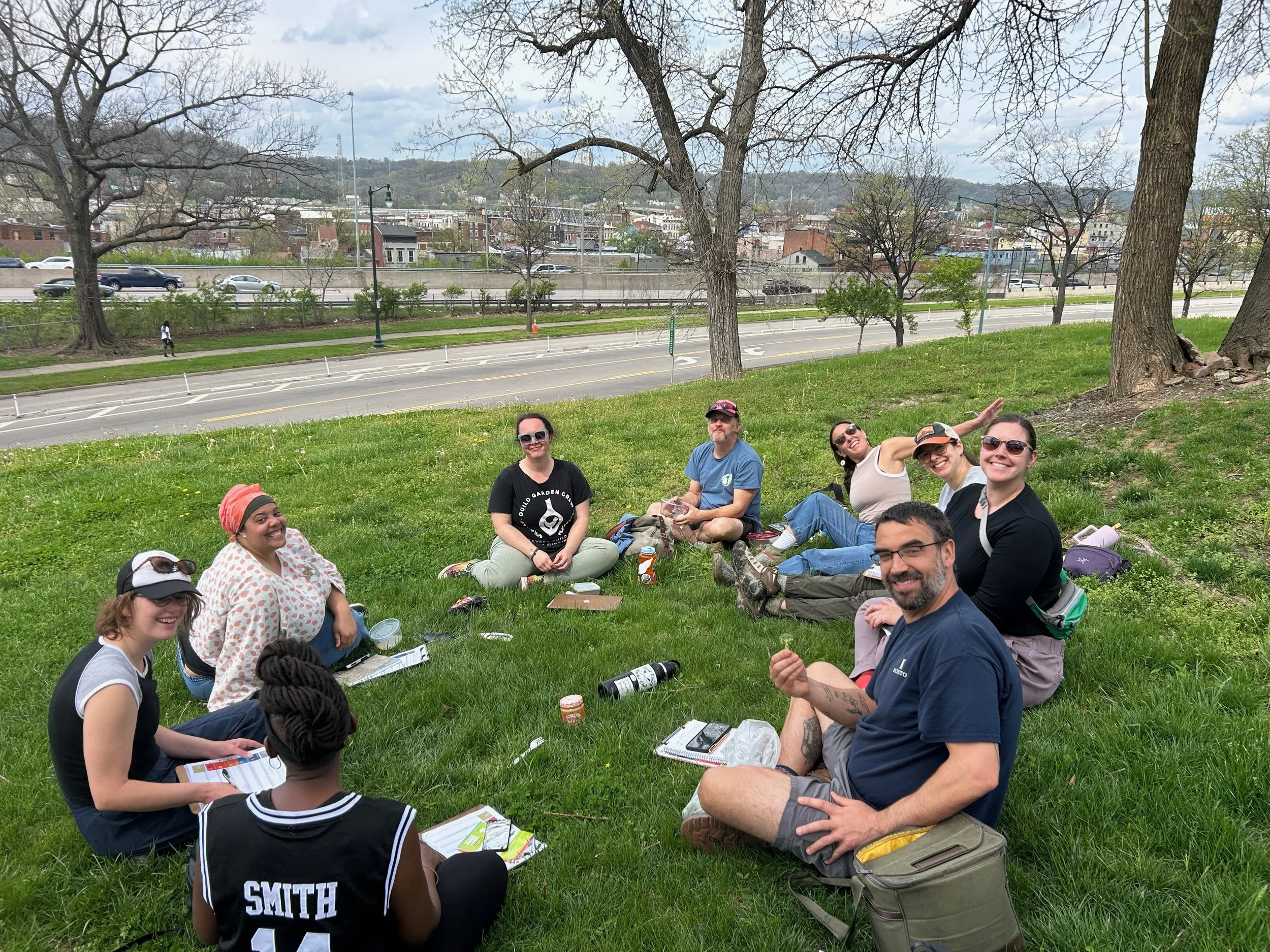
We shared meals, exchanged gardening tips, and even talked about things like finding clothing and everyday products made without plastics. More importantly, people shared their stories. I appreciated the honesty and vulnerability of those conversations. Having moved back to Cincinnati and working remotely, I hadn't realized how much I needed that kind of connection. It was refreshing to spend time with people from different backgrounds who shared a desire to learn and make a difference.
I came to the Civic Garden Center wanting to learn how to restore my backyard, but I found so much more. I discovered new interests, met people who genuinely cared about their community, and found opportunities to use my own gifts in meaningful ways.
And I think that's what makes the Civic Garden Center so important to Cincinnati.
It does more than teach people about gardening and caring for our environment. CGC serves as a hub, connecting people with the many nonprofits doing incredible work throughout our city. It promotes their events, works alongside them, and helps people discover opportunities to get involved. In many ways, CGC is like the glue that brings people, organizations, and opportunities together. Without places like CGC, I wonder how many of those connections would ever happen.
I never thought much about dirt. But what started as a simple desire to restore my lawn has given me a deeper connection to my community and a greater appreciation for what we can accomplish together.
Greenspace Guardians is currently open for enrollment! Learn more, see examples of past Guardians projects, and submit your application here.