
What Does Food Look Like to You?
By Kymisha Montgomery, CGC Urban Agriculture Coordinator
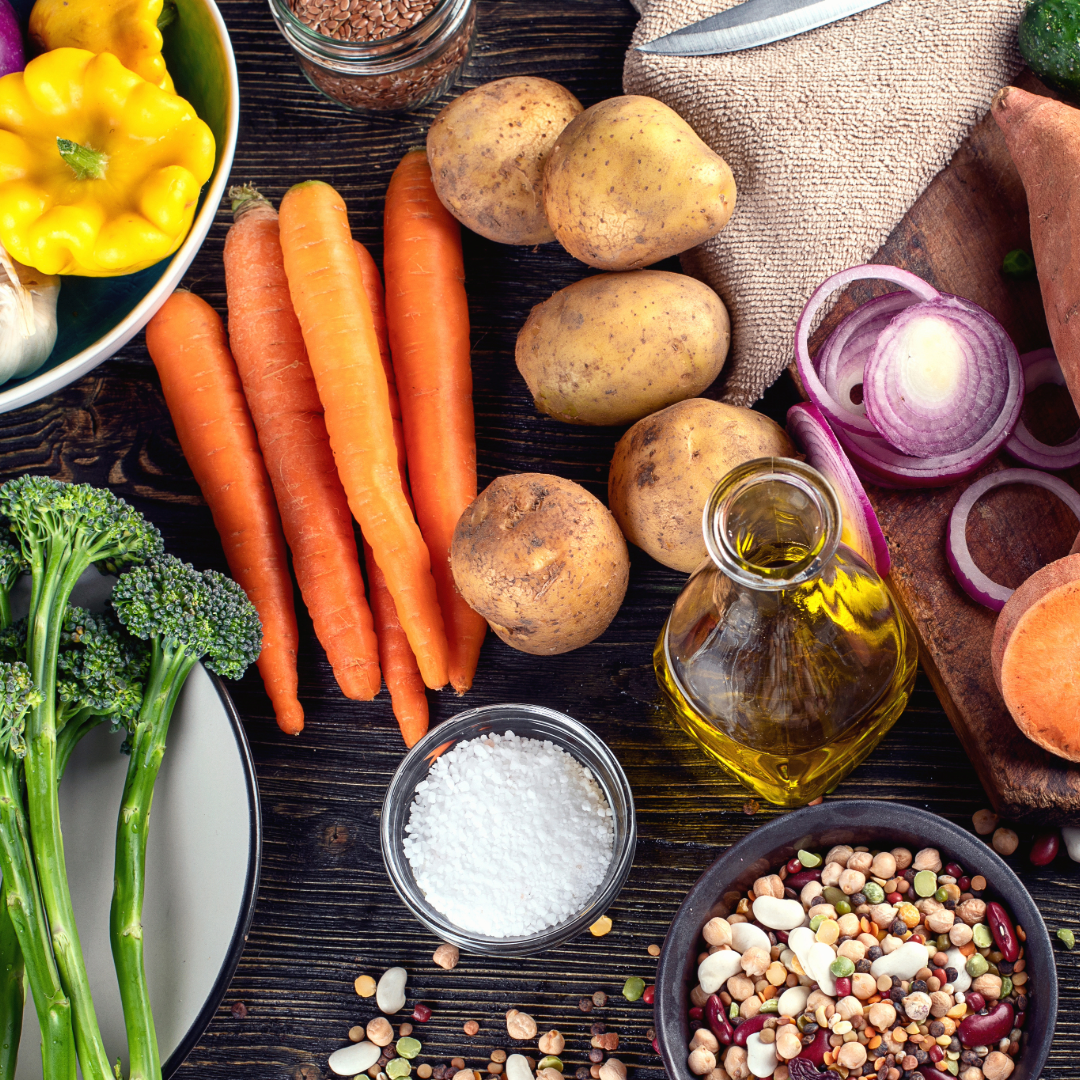
Look closely at what we eat and you’ll see that food is much more than mere sustenance. It acts as a mirror, reflecting our economic realities, cultural histories, and daily pressures. While the biological need for nourishment unites us all, the visual reality of our meals varies dramatically across different wages and demographics.
For affluent households, food is often viewed through the lens of wellness and curation. On these plates, meals look vibrant and expansive: crisp heirloom vegetables, premium wild-caught seafood, free-range chicken, and functional ingredients meant to boost longevity.
For families living on low wages, food is defined by efficiency and budgeting constraints. On these tables, it looks like durability: canned vegetables, boxed pasta, versatile frozen staples. These items aren’t selected out of a lack of culinary appreciation but because they maximize calories per dollar and minimize waste. Food represents stability, comfort, and the relief of a full stomach.
But a quiet revolution is happening right in our own neighborhoods. By turning to backyard plots, raised beds, and community gardens, we are bypassing the expensive supermarket aisles entirely. Vegetable gardening is stripping away the economic barriers to nutrition, proving that high-quality food belongs to everyone, not just the wealthy.
Homesteading and foraging bridges economic divides, too. For the affluent foodie or trendy urban demographic, foraging looks like an upscale weekend hobby—scouting for wild ramps, chanterelles, or elderberries to add a gourmet home-cooked meal. Yet for indigenous communities and resourceful families, foraging is a deeply practical tradition: harvesting wild berries, greens, or nuts to supplement grocery budgets; connecting with ancestral roots; and preserving food sovereignty.
Ultimately, whether food is bought at a premium boutique, stretched from a budget grocery aisle, or plucked directly from the forest floor or garden, it remains our most universal bond. Our plates show who we are and where we stand, and what we eat remains our most fundamental way to connect.