
Luffa Gourds
By Kymisha Montgomery, CGC Urban Agriculture Coordinator
Growing your own luffa gourds in Cincinnati might sound random at first, but if you’re into sustainability and gardening, it’s actually a perfect challenge. With the right timing and care, you can grow your own natural sponges right in your garden.
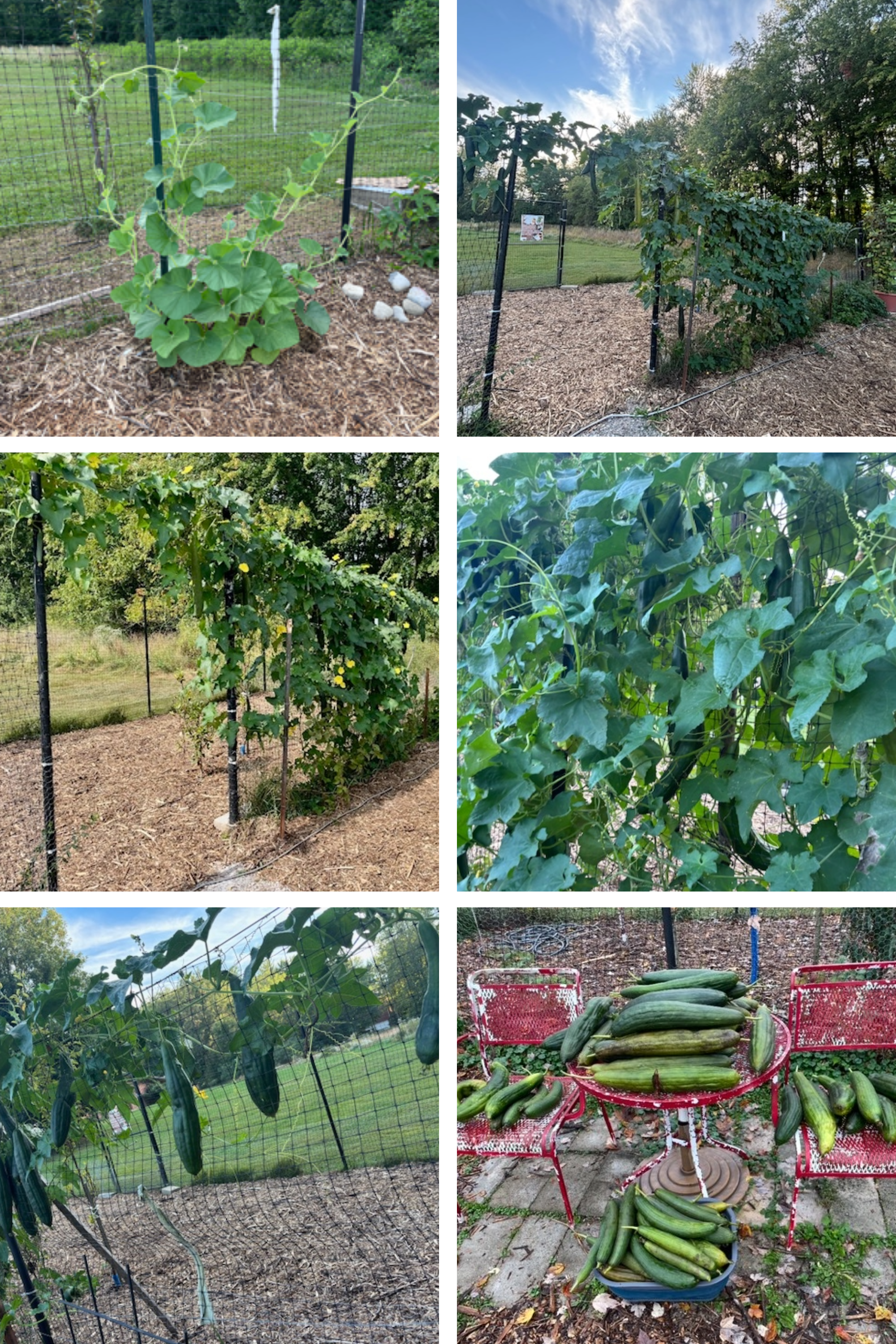
Luffa (also spelled loofah) gourds are long, heat-loving, cucumber-like vegetables that grow on vigorous vines. When harvested young, they’re edible. When left to mature and dry, their insides turn into the fibrous sponges you’ve probably seen in stores.
Cincinnati typically has about 170-180 frost free days and luffa gourds usually need 150-100 warm days to mature, so it’s best to get them going them early. Start your seedlings indoors 4-6 weeks before the last frost (mid- to late April here in Cincinnati) rather than direct sowing so that you have enough time to enjoy your harvest. They typically take about 7-14 days to germinate, but soaking them in warm water for 24 hours before planting can help loosen up the seed coat and subtract some of those days.
Plant them about ½-1 inch deep in seed starting mix and try to keep the soil warm (70-85 degrees is recommended). You can transplant them after the danger of frost is gone. Choose a spot in your garden with full sun. Luffas can grow aggressively, so space them at least 3-5 feet apart and trellis them before those strong, active tendrils take off.
Luffas are heavy feeders, so add some compost before planting and water deeply 1-2 times per week to keep the soil consistently moist, but not soggy. Because luffas produce both male and female flowers (similar to cucumbers and squash), bees usually handle the pollination process. Having a pollinator garden or flowers such as borage, lemon balm or lavender can help draw them in—and are great edible companion plants, too!
The hardest part is waiting! If you’re growing them to eat, harvest them young when they’re about 5-7 inches long to ensure they’re not fibrous. If you plan to let your luffas fully mature, wait until the skin starts to dry out, turning yellow or brown, and the fruits feel lightweight. Often this is in late September or early October.
Whether you’re turning them into natural sponges when mature or eating them as an entrée or side dish when young, taking the chance to try something new in your garden is always cool!