Local Food Matters
By Ellie Falk, CGC Youth Education Coordinator
We live in a country and at a time where most kinds of food are available to us whenever we want them. We can get fruit out of season. Produce that doesn’t grow in our climate is readily available year-round at our grocery stores, and there are oodles of options for packaged and prepared foods. This level of variety that we’re accustomed to comes from a global food system—but how familiar are we with what’s available in our local one?
At the CGC, we’ve been working for decades to connect students to their local food system through our school garden program, which teaches them how to grow food in our region and helps them gain perspective on where our herbs, fruit, and vegetables come from. This school year, we launched a new program to guide fourth-grade students in exploring our region’s local food system. Through Queen City Food Quest, students are taking a close look at—and making powerful connections about—the impact our food has on the environment.
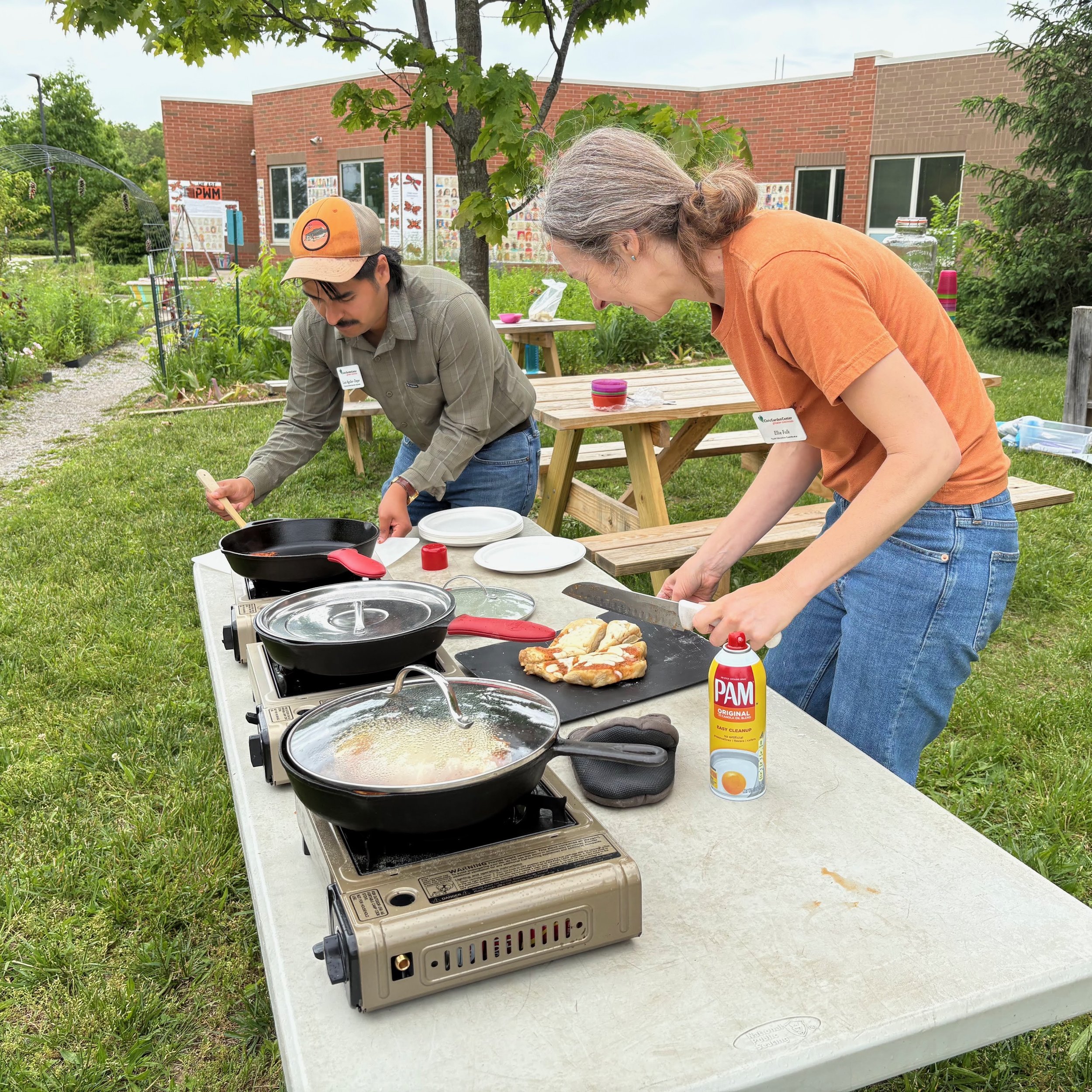
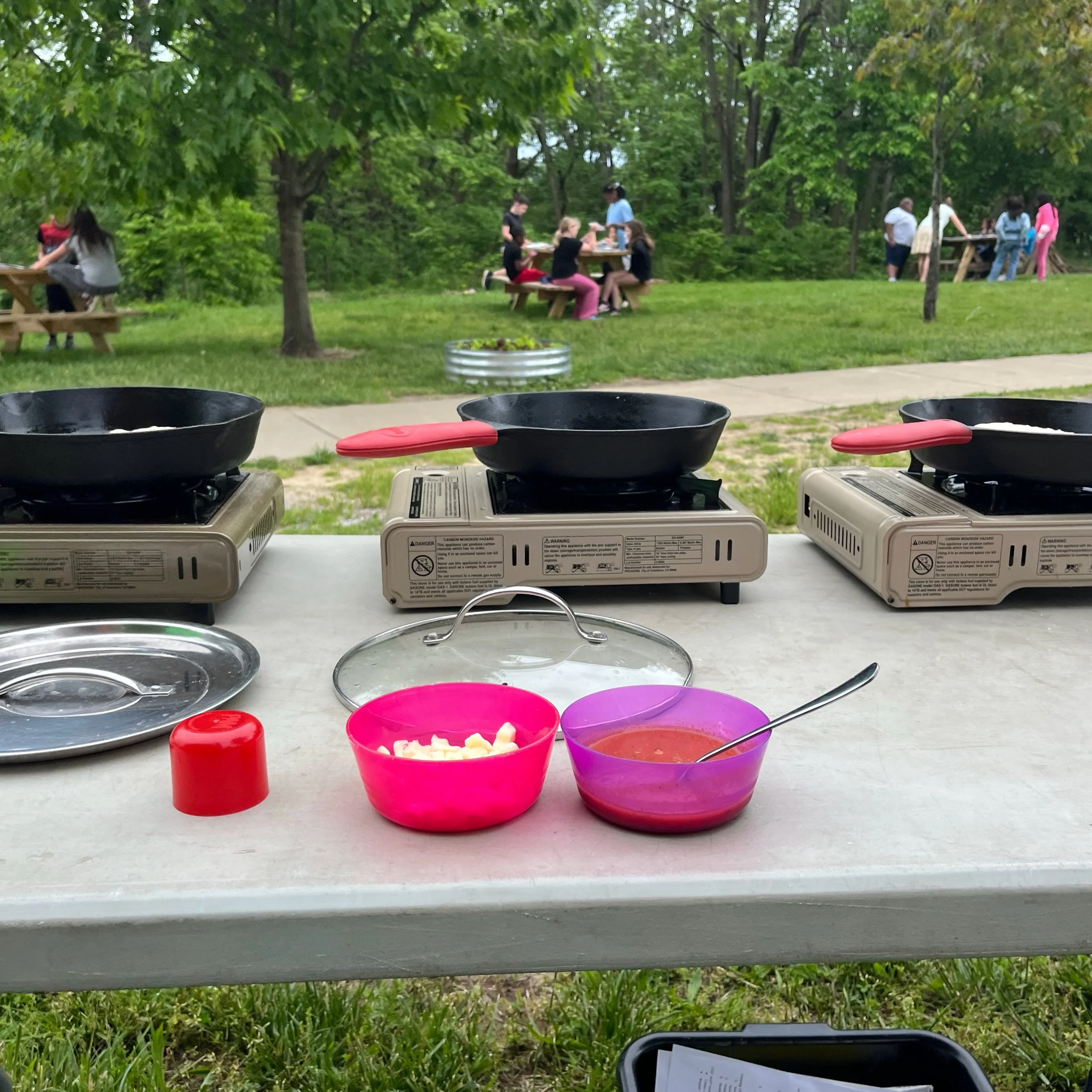
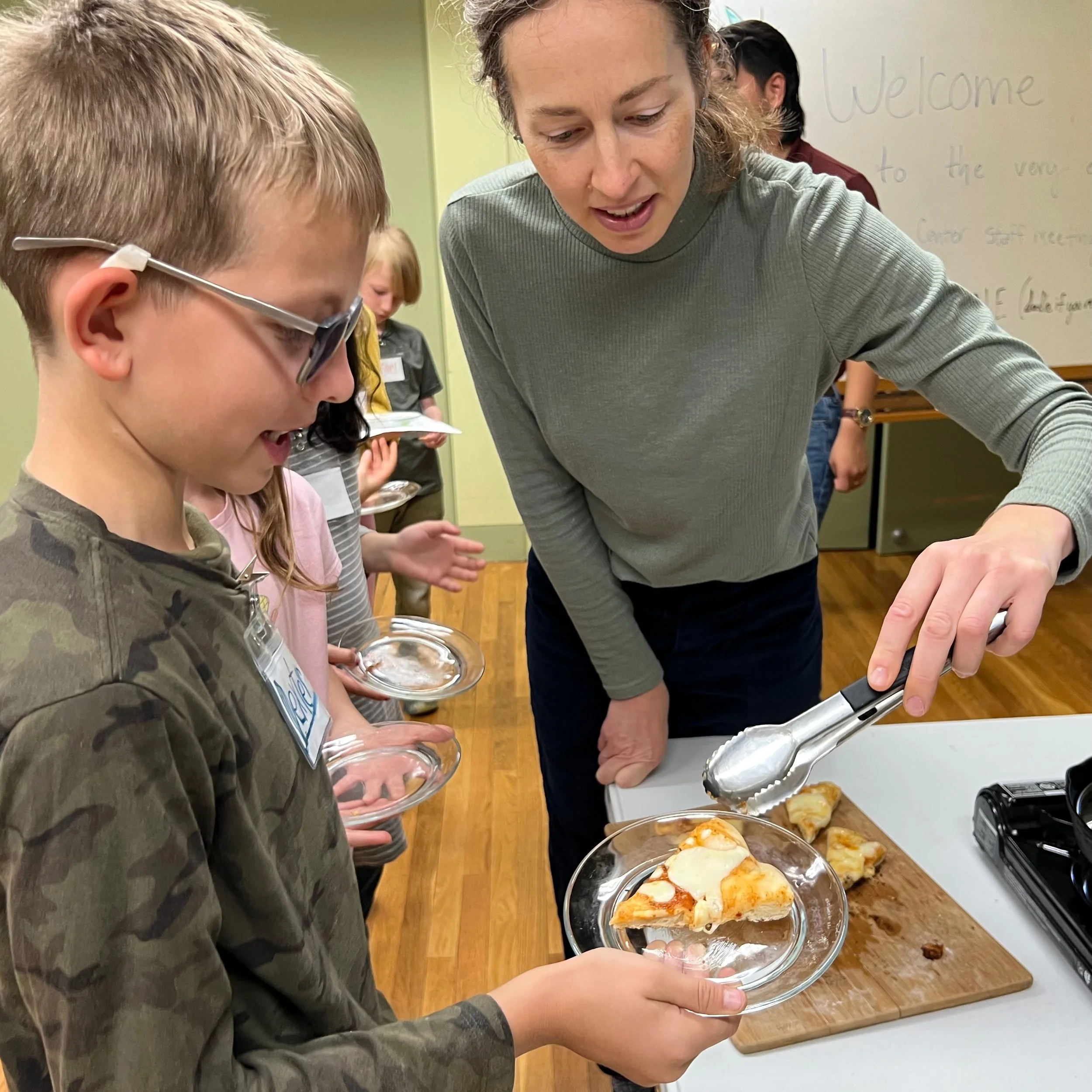
Although children often don’t make the final decisions about where to buy the food they eat or what food to buy, they care about the food system. The majority of fourth graders we’ve been talking with know about local food and where to buy it. And after calculating food miles for a typical school lunch, checking local harvest guides for product availability, and cooking a pizza with locally made ingredients, they also want to buy it! During Queen City Food Quest programs, students have shown interest in learning where their nearest farmer’s market is and what vendors sell there. They’ve also talked about what food they can or do grow at home or in their school gardens with a sense of pride and an appreciation for the positive benefits these actions have on the environment.
It doesn’t take much to get students interested in food, which makes it a great entry point to learning about how our actions impact our environment. Through lessons on our global food system, tasting local food, and helping to care for food growing in their school gardens, we want to empower students to start a garden at home, visit their neighborhood farmer’s market, or recognize local food brands when they see them in the grocery store. These are actions they can take that really make a difference!
As these kids grow up and have more experiences, this foundational understanding of and appreciation for their environment will grow with them, informing the choices they make. We hope they’ll continue to grow their own food, value local food, and consider the greater impact our food choices have on future generations.